

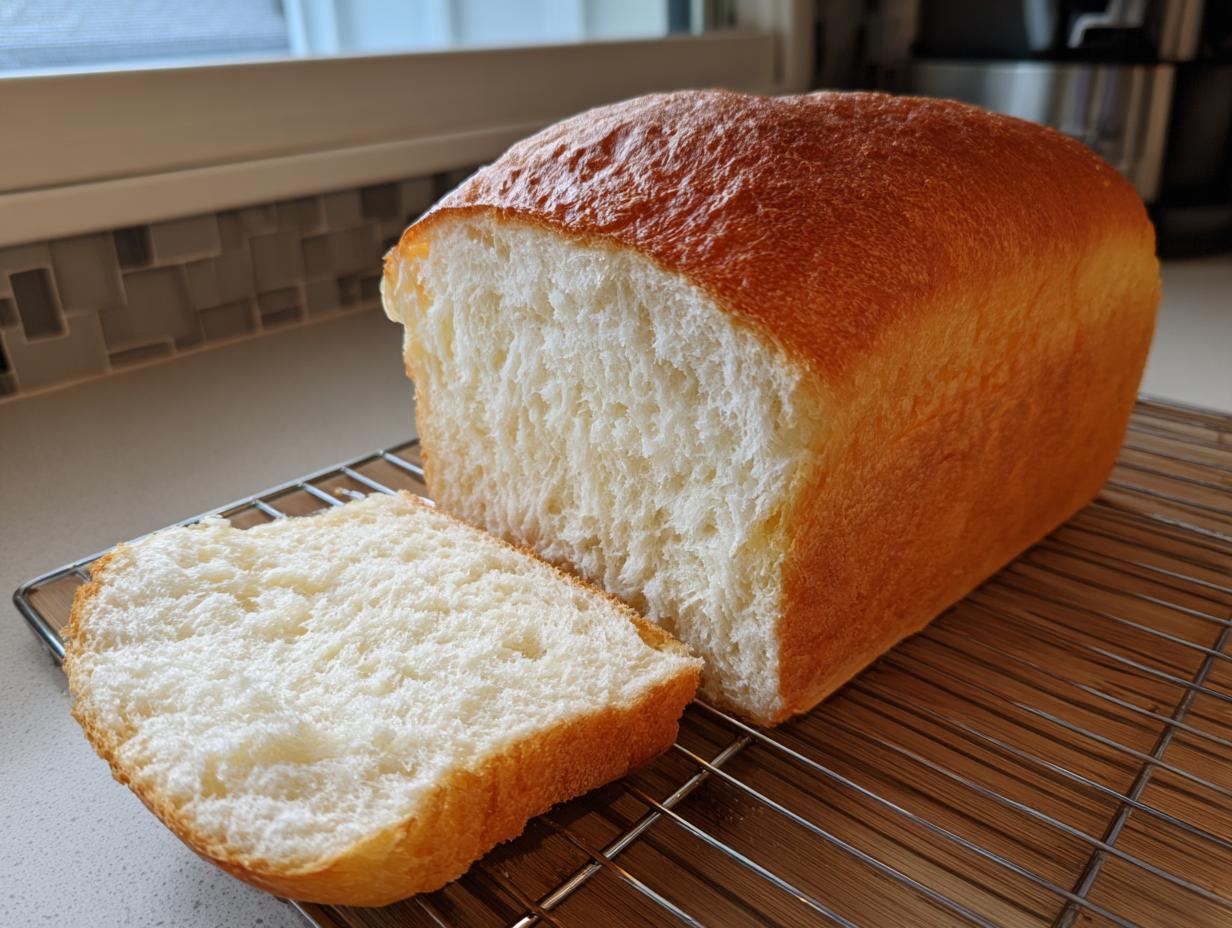
If you’ve ever been intimidated by the idea of making super soft, cloud-like bread at home, you can stop worrying right now! Seriously, put those worries aside. I used to think that impossibly fluffy texture belonged only in Japanese bakeries, but that’s just not true anymore. I’m so excited to introduce you to my recipe for the ultimate fluffy **japanese milk bread**, and we’re going to master it using the famous Tangzhong method. Here at Kings Cook, I promise to bring you recipes that actually work for the everyday American home cook, and this Shokupan is proof—it makes complicated baking accessible!
- Why This Tangzhong Bread Tutorial Delivers the Softest Fluffy Bread
- Ingredients for The Ultimate Fluffy Japanese Milk Bread (Shokupan)
- How to Prepare Japanese Milk Bread Using the Tangzhong Method
- Tips for Success When Making Japanese Milk Bread
- Serving Suggestions for Your Tender Crumb Bread
- Storage & Reheating Instructions for Japanese Milk Bread
- Frequently Asked Questions About Making Japanese Milk Bread
- Nutritional Estimates for Japanese Milk Bread Recipe
- Share Your Softest Fluffy Bread Creations
Why This Tangzhong Bread Tutorial Delivers the Softest Fluffy Bread
I know what you’re thinking: milk bread sounds fancy and fussy. But trust me, this specific recipe simplifies everything so you can get that amazing, pillowy result right here on your counter. This isn’t just another bread recipe; this is your ticket to cloud bread!
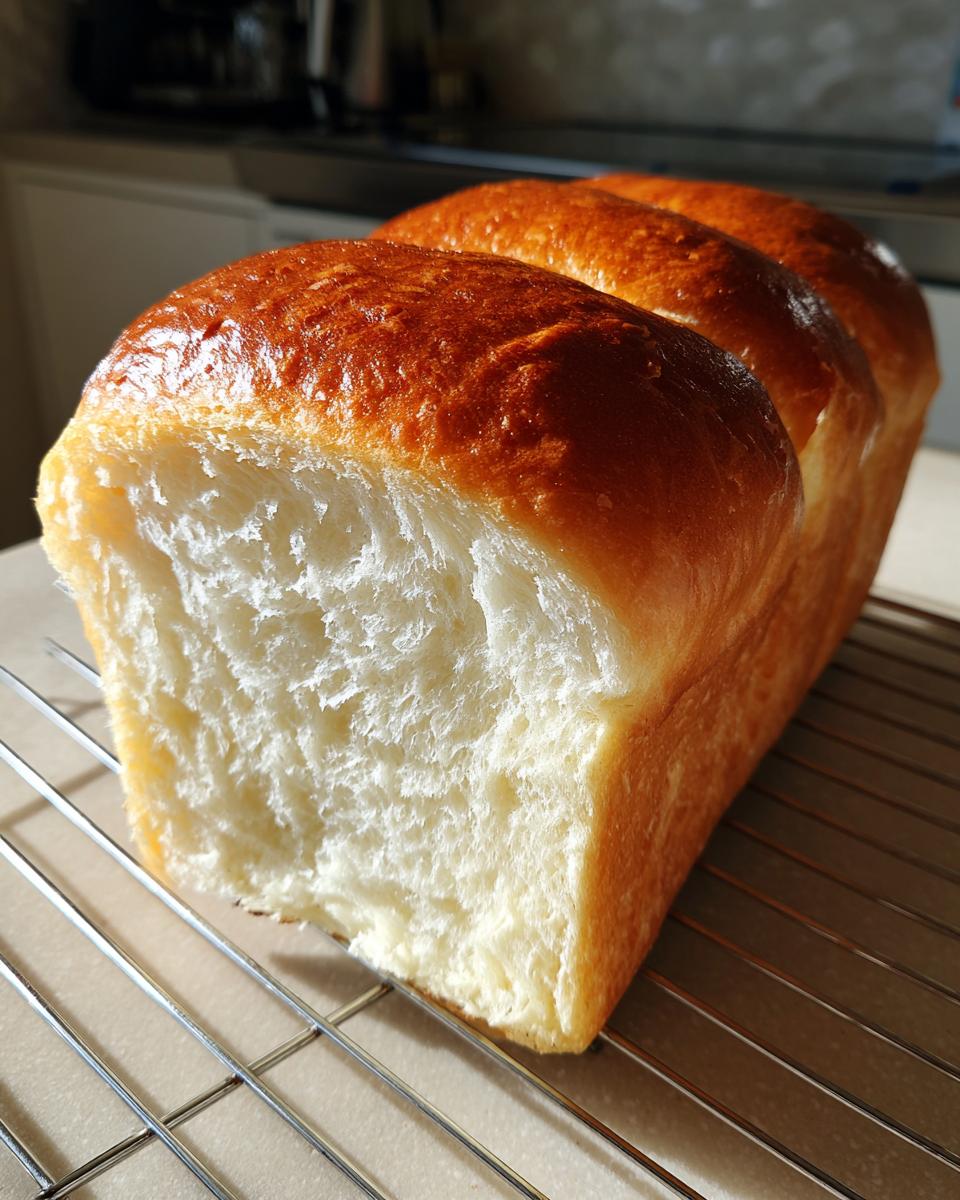
- The texture is legitimately tear-apart soft—you won’t believe it came from your oven.
- It stays beautifully fresh for days, unlike regular loaves that dry out overnight.
- We are using a time-tested technique that guarantees success, even if you’re nervous about yeast breads.
The Secret to Airy Japanese Loaf: Tangzhong Explained
So, what is this magic word, Tangzhong? It’s super simple, honestly! It’s just a small portion of the flour and milk from the recipe whisked together and cooked until it turns into a thick, smooth paste. This paste acts like little moisture sponges in your dough. As the bread bakes, the Tangzhong releases that trapped steam, giving you that signature airy Japanese loaf structure.
Baking Bakery Style Bread at Home
Forget buying expensive loaves! This whole process is designed so you can achieve that soft texture you only find in high-end bakeries. Because we are trapping so much moisture with the Tangzhong Bread Tutorial, this homemade milk bread naturally lasts longer. You won’t need any artificial extras; this is pure, tender crumb bread made with no preservative bread chemicals.
Ingredients for The Ultimate Fluffy Japanese Milk Bread (Shokupan)
Okay, let’s get down to business! This recipe looks long, but don’t let the ingredient list scare you off. We’re just splitting our flour and milk into two important parts: the Tangzhong starter and the main dough. Remember what I keep saying? Bread flour is your best friend here. It has the high protein needed to handle all that kneading and create that gorgeous, pillowy texture we want in our **japanese milk bread recipe**.
Seriously, don’t try to skimp and use all-purpose flour for this one; we need that structure for the perfect **tender crumb bread**!
- For the Tangzhong Starter: 100g Bread Flour + 300ml Whole Milk
- For the Main Dough: 350g Bread Flour, 50g Granulated Sugar, 1 teaspoon Salt, 7g Instant Dry Yeast
- Liquids/Fats: 60ml Whole Milk (for dough), 40g Unsalted Butter (softened), 1 Large Egg
Ingredient Notes and Substitutions for Japanese Milk Bread Recipe
A couple of quick notes before you grab your mixing bowls. That 40 grams of butter needs to be softened—leave it out on the counter for an hour or so—but make sure it’s not melted or greasy when you add it in later. Also, try to use whole milk for both parts if you can; it really adds richness to the overall flavor profile. If you need deeper dives into bread dough structure after this, I have a killer focaccia bread recipe that really hammers home the importance of the right flour!
How to Prepare Japanese Milk Bread Using the Tangzhong Method
Alright, deep breath! This is where the magic happens, and I promise it’s less scary than it looks on paper. The whole key to this incredible **japanese milk bread** is managing those two distinct stages: making the paste, and then mixing the final dough. Pay attention to your timing, and you’ll get that bakery-style quality!
Step 1: Mastering the Tangzhong Bread Tutorial
First up, we tackle the Tangzhong. Take that small portion of bread flour and the 300ml of milk and whisk them together in a little saucepan until there are absolutely no lumps left. Now, put it on medium-low heat. You must stand right there and stir constantly—don’t walk away! We are looking for it to thicken up to the consistency of a thick pudding, usually around 170°F. Once it slumps off your spoon thick, take it off the heat immediately. Cover the surface directly with plastic wrap—this stops a skin from forming, which is super important—and let it cool completely. I usually make this first thing in the morning so it’s ready by lunchtime.
Step 2: Kneading for Pillowy Bread Baking Success
In your stand mixer, combine the main dry ingredients, then add the cool Tangzhong paste, the remaining milk, and your egg. Mix it until it just looks like a messy pile of dough. Now, turn the speed up just a tiny bit, and knead for about 5 minutes. This starts developing the structure. Next, add that softened butter, piece by piece, waiting until each pat is incorporated before adding the next. This is slow work, but necessary! After all the butter is in, you need to keep kneading for another 10 to 15 minutes. We are aiming for that amazing windowpane test so the dough comes out smooth and elastic—that’s the secret to fluffy bread!
Step 3: Shaping and Proofing Your Airy Japanese Loaf
When your dough has doubled in size (give it an hour, maybe a little more!), gently punch it down and divide it evenly into three pieces. Don’t work them too roughly, we want to keep those air bubbles we just worked so hard to create! Roll each piece into a tight little log. If you’re using a standard 9×5 inch loaf pan, nest these three logs side-by-side. Cover the pan again and let it proof a second time until the dough crowns about one inch over that pan rim. Right when you start the oven preheating (350°F), you know you’re close to having that beautiful loaf. If you want tips on how to build flavor in your doughs, check out my post on gooey breakfast buns; they share a similar requirement for proofing!

Tips for Success When Making Japanese Milk Bread
Honestly, even following the instructions perfectly, bread can be moody! Yeast is sensitive, and humidity plays a huge role, so you need to watch your dough, not just the clock. Cooking is about feeling things out, especially when aiming for that airy Japanese loaf status. If you run into any snags, don’t worry! It’s all part of the process Kate here uses to test every recipe.
Troubleshooting Common Issues in Shokupan Recipe
If your dough isn’t cooperating during that crucial first or second rise, check the temperature of your kitchen. Yeast needs warmth—think cozy bathwater, not boiling hot! If it’s chilly in your house, pop the covered bowl inside an oven that’s turned off but has just the light on; that little bit of warmth works wonders for your **Shokupan recipe**.
Now, let’s talk about density. If your final loaf comes out hard or heavy, it almost always comes down to kneading. Remember I stressed those 15 minutes after the butter went in? That time develops the gluten strands needed to trap the gases from the yeast. If you stopped kneading too soon, you get a tighter crumb. You really need to see that dough stretch thin enough to let light through before it snaps—that’s the windowpane test telling you it’s ready for that pillowy bread baking!
Another common hiccup involves the Tangzhong itself. If you cooked it too quickly or didn’t let it cool all the way down before mixing it with the other ingredients, it can inhibit the yeast, making your rise sluggish. If that paste is warm when it hits the yeast, you might accidentally ‘shock’ it, leading to a flat loaf. Cool it until it feels barely room temperature, and your dough will thank you for preparing the bread correctly!
If you ever want to compare starter techniques—though I swear by Tangzhong here—I break down hydration and structure in a post about focaccia bread that might give you some extra confidence in dough management!
Serving Suggestions for Your Tender Crumb Bread
Now that you have created this masterpiece—this incredibly soft, **tender crumb bread**—the crucial question is: what do I do with it all? My family loves eating it plain, fresh from the cooling rack, but this bread is truly versatile for every meal of the day. Don’t feel like you need fancy fillings; the bread itself is the star of the show!
First and foremost, you have to try it toasted. Because of all that moisture from the Tangzhong, toasting it lightly brings out a nutty, slightly sweet flavor that is unbelievable. Whether you use a toaster oven or just a light pan-fry in a little butter, it stays crisp on the outside but maintains that beautiful fluffiness deep inside. It makes the absolute best grilled cheese sandwich you will ever have!
For a heartier breakfast, this milk bread is the ultimate vehicle for my favorite French toast recipe. Since the bread is sturdy yet soft, it soaks up the custard without instantly collapsing into mush. Serve it with fresh berries or just a light drizzle of maple syrup!
And for simple snacking? Oh, I just slice it thick and spread it with things like apple butter, quality cream cheese, or even just a swipe of good salted butter. Since it’s naturally a little sweet (hello, sugar!), it pairs wonderfully with savory things too, like thinly sliced ham or turkey for a phenomenal everyday sandwich that tastes way better than anything store-bought.
Storage & Reheating Instructions for Japanese Milk Bread
This is my favorite part about using the Tangzhong method for our **japanese milk bread**—it lasts! You see, that cooked flour paste we made in the beginning locks in moisture so well that this bread stays soft for days. Honestly, regular bread goes stale on me in about 24 hours, but I’ve kept a sealed loaf of this Shokupan on the counter for three days, and it was still wonderfully tender.
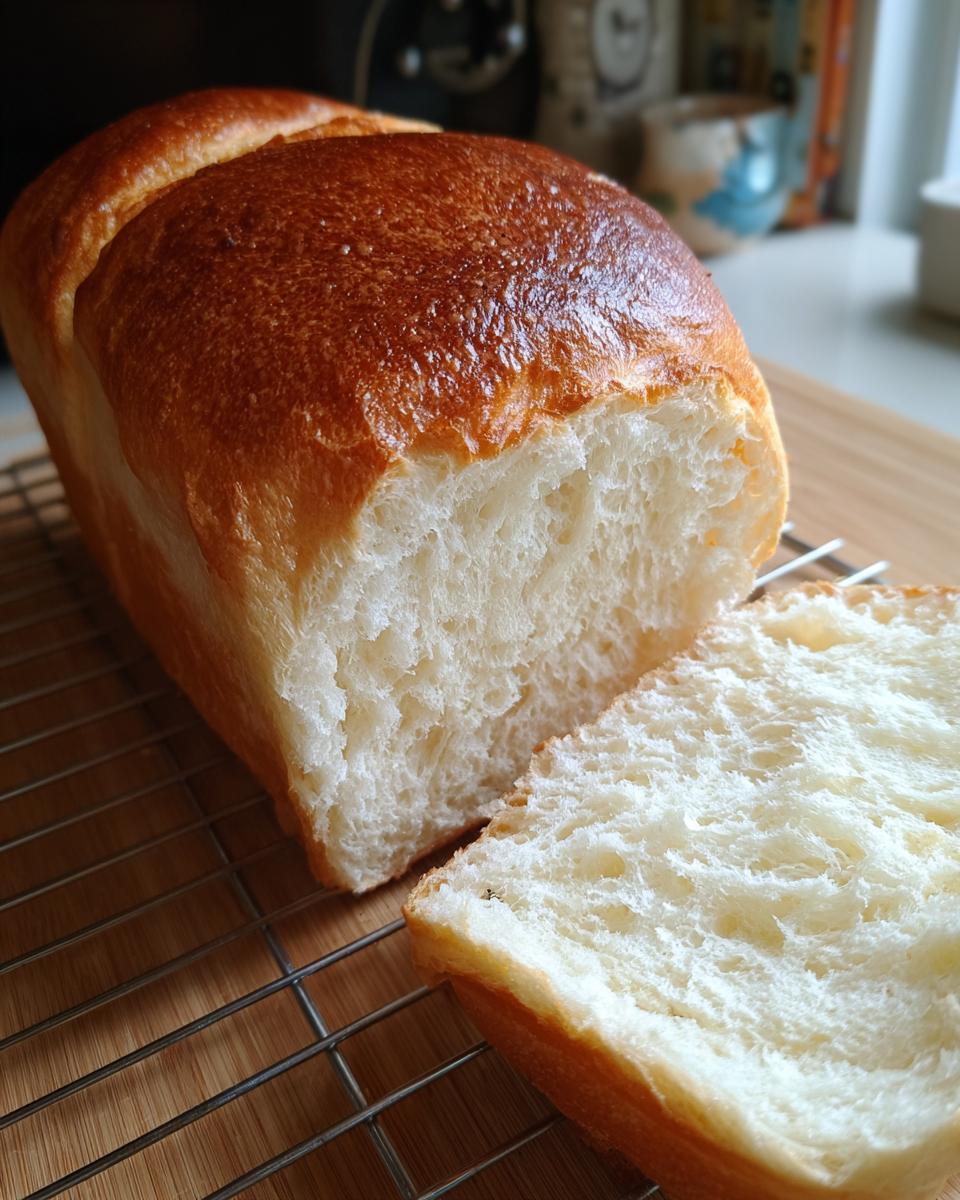
The key to maximizing that freshness is airtight storage, plain and simple. As soon as the loaf is completely cool—and I mean totally cool, don’t rush this step!—you need to wrap it up tight. I prefer using plastic wrap followed by a layer of aluminum foil, or just shoving the whole cold loaf into a large, sturdy zip-top bag and squeezing every bit of air out.
Keep it sealed up on the counter. Do not refrigerate your **japanese milk bread**! I know some people think cold storage keeps bread fresh, but for this recipe, the fridge actually dries it out faster and ruins that pillowy texture we worked so hard to achieve. It holds up great at cool room temperature for about 3 to 4 days.
Now, sometimes days four or five roll around, and it’s just *slightly* less fluffy than day one. No problem! Reheating is your secret weapon to instantly resurrecting that melt-in-your-mouth feel. If you’re having just one slice, wrap it loosely in a damp paper towel—just slightly damp, not soaked!—and microwave it for about 10 to 15 seconds. It steams itself perfectly back to life! Wow, it’s like fresh from the oven all over again.
If you have half a loaf left and want to revive it all at once, pop it into a 300°F oven for about 5 to 7 minutes. That light warmth brings back the tenderness beautifully. Enjoy that amazing, soft texture again!
Frequently Asked Questions About Making Japanese Milk Bread
It’s totally normal to have a few lingering thoughts after diving into a technique like Tangzhong! I still had questions when I first started baking this loaf. It’s all about getting that perfect, pillowy bread baking experience. So, let’s clear up some of the most common things I hear about making spectacular **japanese milk bread**.
Is the Tangzhong Method hard compared to the Yudane Method?
People often ask if they should use Tangzhong or Yudane for their **Shokupan recipe**. Honestly, they both achieve that incredible softness in your final loaf, but they are slightly different! Tangzhong is a cooked paste made with flour and liquid that you cool down completely first. Yudane is similar, but you use hot water instead of cooking it on the stove, and you mix it right into the main dough. I prefer Tangzhong slightly because I can feel how thick the paste gets, but you can absolutely use Yudane and still get that soft, fluffy bread—just know the texture might be slightly different! Either way, you’re on the path to **homemade milk bread** bliss.
Can I substitute Bread Flour with All-Purpose Flour?
Oh, I really advise against it if you want that signature soft, airy Japanese loaf texture. Bread flour has a higher protein content—that’s what helps form the strong but elastic gluten network. If you use all-purpose flour, you generally won’t develop the structure strong enough to hold all that moisture the Tangzhong creates, and sad result will be a dense loaf instead of a **tender crumb bread**. Stick to bread flour for the best chance at that bakery-style bread at home!
How long does this Japanese Milk Bread recipe stay soft?
This is the best news! Because of the Tangzhong method, your **japanese milk bread** will stay fantastically soft and fresh for a solid 3 to 4 days at room temperature, provided you store it airtight. When I make a loaf, I look forward to the second-day toast! If you’re planning way ahead, you can freeze individual slices tightly once they cool completely. I have a favorite way to reheat frozen slices to bring them back to life, which you can read about in my post on getting the best bakery-style fluffy homemade goods!
Do I have to use a stand mixer for Shokupan?
While technically you *can* knead this by hand, I’m going to tell you honestly, you probably shouldn’t if you want success on your first try! This dough needs a proper, long knead—remember those 10 to 15 minutes after the butter goes in? That extended time develops the gluten structure needed for the **pillowy bread baking** result. Your arms will thank you for using a stand mixer, especially because it handles the long kneading time needed for this delicate **Shokupan recipe**.
Nutritional Estimates for Japanese Milk Bread Recipe
Now, I know that when you’re baking amazing, rich bread like this, you probably aren’t thinking too much about the macros, but I always like to include the numbers, just in case! Remember, I’m Kate Connolly, and while I know a ton about baking happy food, I am not a registered dietitian! So please take these numbers with a grain of salt—or maybe a grain of sugar, since this is bread!
These estimates are based on the ingredients provided and calculated for one single slice of the final loaf. It truly gives you incredible structure and tenderness for what it is—a rich, buttery, slightly sweet **japanese milk bread recipe**.
- Serving Size: 1 slice
- Calories: 180
- Sugar: 8g (That sweetness really comes from the whole milk and bread flour combination!)
The fat content here is mostly coming from that gorgeous unsalted butter we incorporate, which is totally worth it for the texture!
- Fat: 5g
- Saturated Fat: 3g
- Unsaturated Fat: 2g
- Trans Fat: 0g (Hooray for no weird stuff in our **homemade milk bread**!)
You also get a decent little boost of energy and protein from the flour and egg:
- Carbohydrates: 28g
- Fiber: 1g
- Protein: 5g
- Cholesterol: 25mg
- Sodium: 150mg
I always stress that because we are eating this bread fresh and without the preservatives usually found in store-bought loaves, you are getting a much cleaner product. Enjoy every single soft bite!
Share Your Softest Fluffy Bread Creations
Now that you’ve gone through all the steps to make your own impossibly soft **japanese milk bread**, I truly want to see what you baked! Honestly, seeing photos of your loaves is the best part of what I do here at Kings Cook. When you manage to get those perfectly straight sides and that golden dome, it deserves some showing off!
Don’t be shy! Head over to your favorite social media platform, snap a picture of your beautiful, pillowy creation, and tag me. Even if you thought your windowpane test wasn’t perfect, I bet your bread still tastes like heaven compared to anything store-bought. You absolutely deserve applause for mastering the Tangzhong method!
And please, hit that rating button right below the recipe card! Five stars means you’ve achieved the softest fluffy bread possible, but even if you give it four, tell me why! Was the kneading process tough? Did your second proof take longer? Your feedback helps me refine these instructions and helps the next baker who comes along feel more confident tackling that **Shokupan recipe**.
If you’ve got questions bubbling up, drop them in the comments section. I read every single one! Whether you’re wondering about alternative flours or how to get the perfect milk wash for that shine, let’s talk about it. The community here is built on helping each other go from “I can’t” to “I did!” If you enjoyed learning these techniques, you should definitely check out my reliable chocolate chip cookies recipe next to keep that baking momentum going!
Happy baking, friends! I can’t wait to see the incredible, tender crumb bread magic you’ve made!
PrintThe Ultimate Fluffy Japanese Milk Bread (Shokupan) using the Tangzhong Method
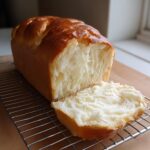
Make the softest, fluffiest homemade bread using the Tangzhong method. This recipe yields a pillowy loaf that stays moist for days.
- Prep Time: 45 min
- Cook Time: 35 min
- Total Time: 3 hr 20 min
- Yield: 1 loaf 1x
- Category: Baking
- Method: Baking
- Cuisine: Japanese
- Diet: Vegetarian
Ingredients
- 100g Bread Flour (for Tangzhong)
- 300ml Whole Milk (for Tangzhong)
- 350g Bread Flour (for dough)
- 50g Granulated Sugar
- 1 teaspoon Salt
- 7g Instant Dry Yeast
- 60ml Whole Milk (for dough)
- 40g Unsalted Butter, softened
- 1 Large Egg
Instructions
- Prepare the Tangzhong: Whisk the 100g bread flour and 300ml milk in a small saucepan until smooth. Cook over medium-low heat, stirring constantly, until the mixture thickens into a paste (about 170°F or 77°C). It should resemble thick pudding. Remove from heat, cover the surface with plastic wrap to prevent a skin from forming, and let it cool completely.
- Mix Dry Ingredients: In the bowl of a stand mixer fitted with the dough hook, combine the 350g bread flour, sugar, salt, and yeast. Mix briefly on low speed.
- Combine Dough: Add the cooled Tangzhong, 60ml milk, and the egg to the dry ingredients. Mix on low speed until a shaggy dough forms.
- Knead: Increase the speed to medium-low and knead for 5 minutes. Add the softened butter, a piece at a time, waiting until each piece is incorporated before adding the next.
- Develop Gluten: Continue kneading for 10 to 15 minutes until the dough is smooth, elastic, and passes the windowpane test. This extended kneading is necessary for the soft texture.
- First Proof: Place the dough in a lightly oiled bowl, cover, and let it rise in a warm place until doubled in size (about 1 to 1.5 hours).
- Shape the Loaf: Gently deflate the dough. Divide it into three equal pieces. Roll each piece into a tight log. Place the three logs side-by-side in a greased 9×5 inch loaf pan.
- Second Proof: Cover the pan loosely and let it rise again in a warm spot until the dough has crowned about 1 inch above the rim of the pan (about 45 to 60 minutes). Preheat your oven to 350°F (175°C) during the last 15 minutes of the rise.
- Bake: Bake for 30 to 35 minutes, or until the top is golden brown and the internal temperature reaches 200°F (93°C). If the top browns too quickly, lightly tent it with foil.
- Cool: Immediately remove the bread from the pan and cool completely on a wire rack before slicing. Brush the top with melted butter while warm for extra shine, if desired.
Notes
- A stand mixer is recommended for the long kneading time required to develop the gluten structure for this pillowy bread.
- This bread stays soft for several days due to the Tangzhong method, making it excellent for sandwiches and toast.
- Use bread flour for the best structure and rise.
Nutrition
- Serving Size: 1 slice
- Calories: 180
- Sugar: 8
- Sodium: 150
- Fat: 5
- Saturated Fat: 3
- Unsaturated Fat: 2
- Trans Fat: 0
- Carbohydrates: 28
- Fiber: 1
- Protein: 5
- Cholesterol: 25