

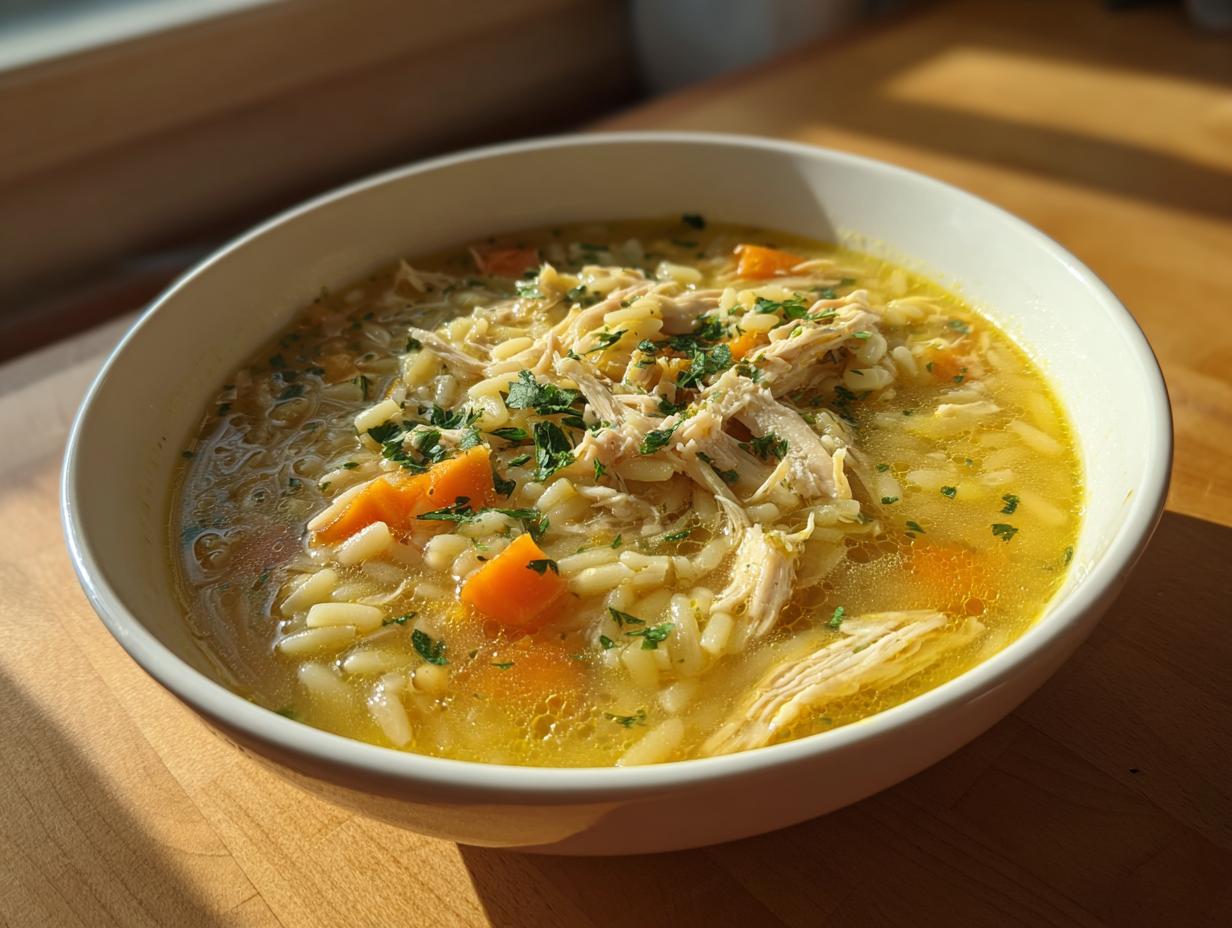
When life throws a low blow—maybe a nasty cold is making its rounds, or maybe you just need that perfect “hug in a bowl”—there’s only one thing that fixes it: **Italian Penicillin Soup**. Trust me when I say this isn’t just some trendy name; this is authentic, deeply comforting broth that sings true Italian notes of garlic and bright lemon. I’m Kate Connolly, and here at Kings Cook, every single recipe, including this ultimate go-to, is rigorously tested in my home kitchen so you get reliable results every single time. Forget complicated meals when you’re feeling under the weather; this simple, classic recipe is exactly what you need to feel instantly cozy and cared for.
- Why This Italian Penicillin Soup Recipe is Your Go-To Comfort Food
- Gathering Ingredients for Your Italian Penicillin Soup
- Step-by-Step Guide to Making This Easy Weeknight Chicken Soup
- Tips for the Best Italian Penicillin Soup Results
- Storage and Reheating Instructions for Your Italian Penicillin Soup
- Serving Suggestions for This Traditional Italian Pastina
- Frequently Asked Questions About Italian Penicillin Soup
- Estimated Nutritional Profile for Italian Penicillin Soup
- Share Your Experience Making This Comforting Italian Broth
Why This Italian Penicillin Soup Recipe is Your Go-To Comfort Food
So why ditch every other soup recipe you have lingering around? Because this one *works*. When you’re feeling run down, you don’t need guesswork; you need something dependable that tastes like it came straight from an Italian grandmother’s kitchen. This isn’t just any broth; it’s the kind of deeply comforting, healing Italian broth that feels medicinal.
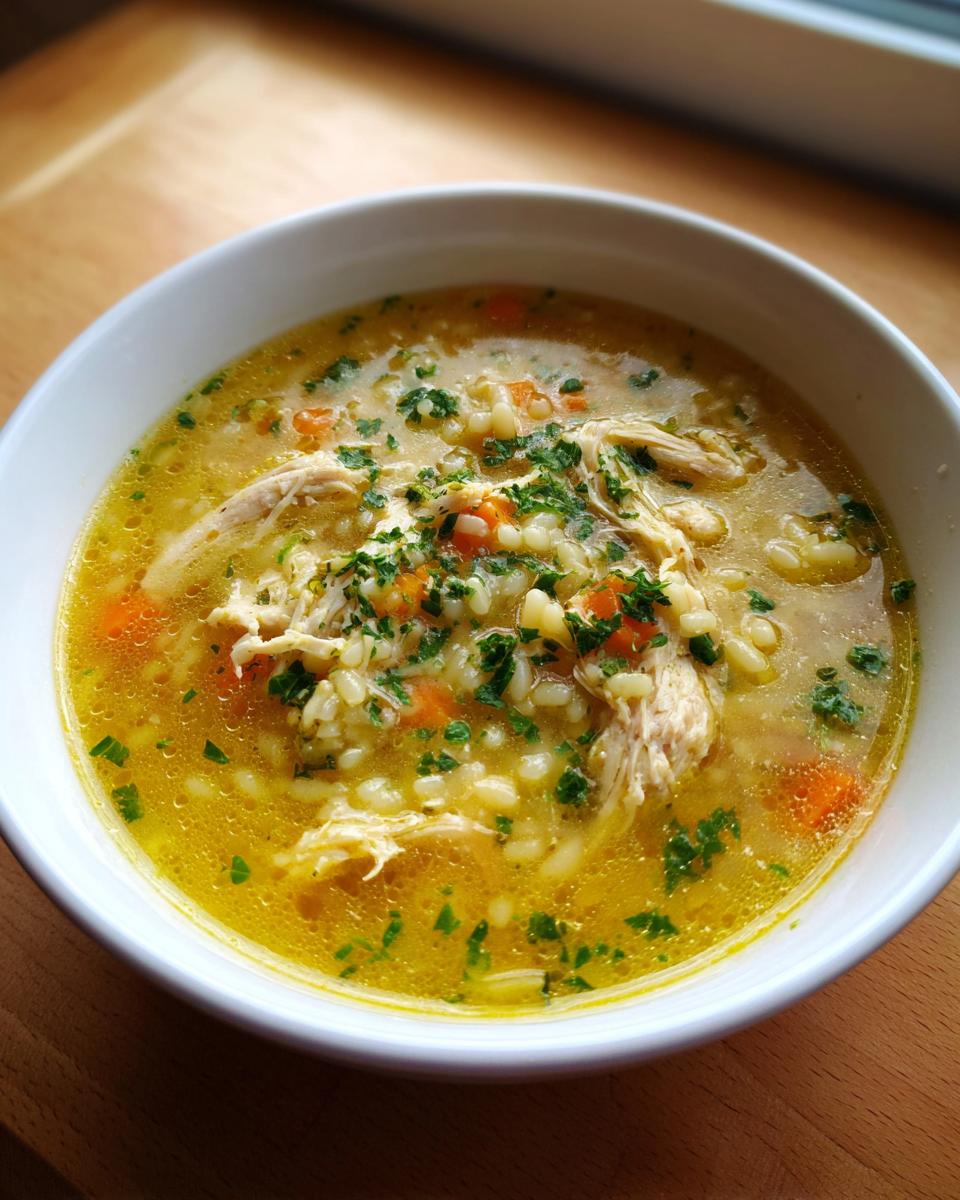
- It specializes as the perfect Pastina soup for colds because it’s easy to swallow and gently warming.
- We keep the ingredients simple but pack in the flavor for that authentic Italian experience.
If you’re curious about how I test recipes to make sure they pass the comfort test every time, you can read a little more about my process on my About Page!
Authentic Flavor Profile and Comfort
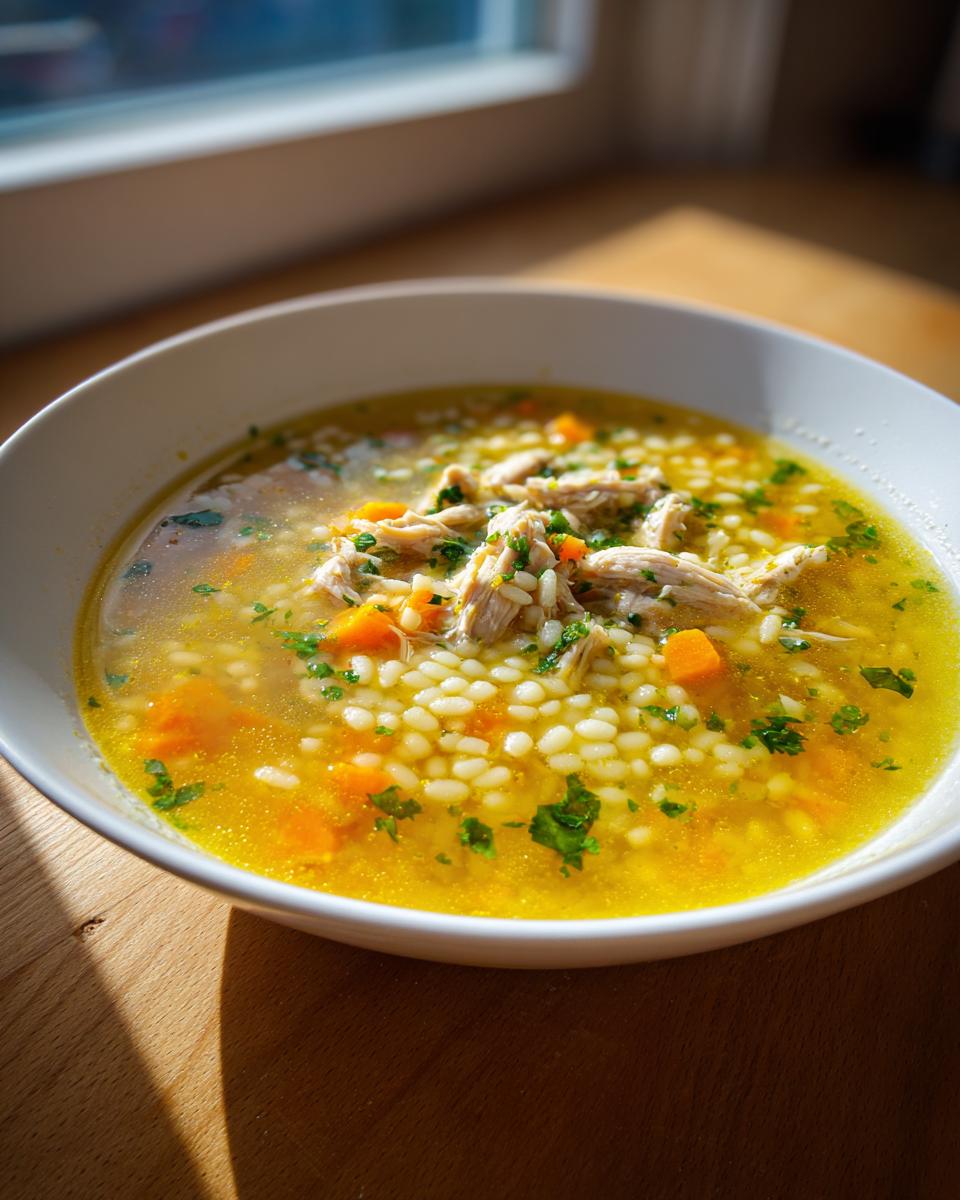
What makes this feel so genuinely Italian? It’s the balancing act! We skip the heavy cream and focus on that heavenly brightness from the fresh lemon juice stirred in at the very end. It cuts right through the savory chicken and herbs, waking up your palate. This is the definition of an Italian comfort soup recipe—warm herbs, tender chicken, and a broth that just asks you to sit down and relax.
Simple, Tested Instructions from Kate Connolly
Listen, I know you might not feel like cooking when ‘sick,’ but this recipe is designed to be fool-proof. I test my Italian penicillin soup recipes dozens of times so that when you make it, you don’t have to worry about things burning or getting mushy. The steps are straightforward, and because I’ve already worked out the timing kinks, you can focus on resting up while dinner simmers!
Gathering Ingredients for Your Italian Penicillin Soup
Okay, let’s get our supplies together. Since this soup relies on simple, good ingredients, make sure you have everything ready to go before you turn on the stove. I always lay everything out—this staging process saves so much rushing later on when you’re trying to juggle simmering broth!
You’ll need six cups of good broth, your chicken, those aromatic veggies (carrots, celery, onion), plenty of garlic, and of course, the tiny pasta called pastina. Don’t forget the fresh herbs and that crucial splash of lemon juice at the end!
Ingredient Substitutions and Notes
Now, sometimes we don’t have everything on hand, right? If you’re looking to make this a vegetarian comfort soup recipe, don’t sweat it. You can absolutely skip the chicken and use high-quality vegetable broth instead—just toss in some extra beans or vegetables for texture. That’s one of the beauty spots of homemade comfort food!
If you can’t find pastina, no worries at all. I often swap it out for little ditalini pasta or even a nice, small amount of rice. They all soak up that healing broth beautifully. The note section in the full recipe card has a few more tips on making sure the pasta doesn’t get too soft if you plan on having leftovers!
Step-by-Step Guide to Making This Easy Weeknight Chicken Soup
This process moves quickly once the initial simmer is done, which is why I call this an easy weeknight chicken soup! We need to build that flavorful foundation first. Grab your biggest pot—we are combining the broth, water, chicken pieces, all those diced veggies (carrots, celery, onion), the minced garlic, and the dried herbs right in there, bay leaf too! Turn the heat up to medium-high until it hits a rolling boil, then immediately drop it down low, pop the lid on, and let it just whisper for about 20 minutes until that chicken is totally cooked through. Don’t boil it hard; we want a gentle hug, not a frenzy!
Simmering the Broth and Cooking the Chicken
Once those 20 minutes are up, we need to pause and rescue the chicken. Use tongs or a slotted spoon to carefully lift the cooked chicken out of the simmering liquid and move it to a clean plate or cutting board. Let it cool down just enough so you can handle it. Keep that broth simmering gently on low heat while you work—we don’t want it to stop cooking, just chill out a bit.
Adding the Pastina and Finishing the Italian Penicillin Soup
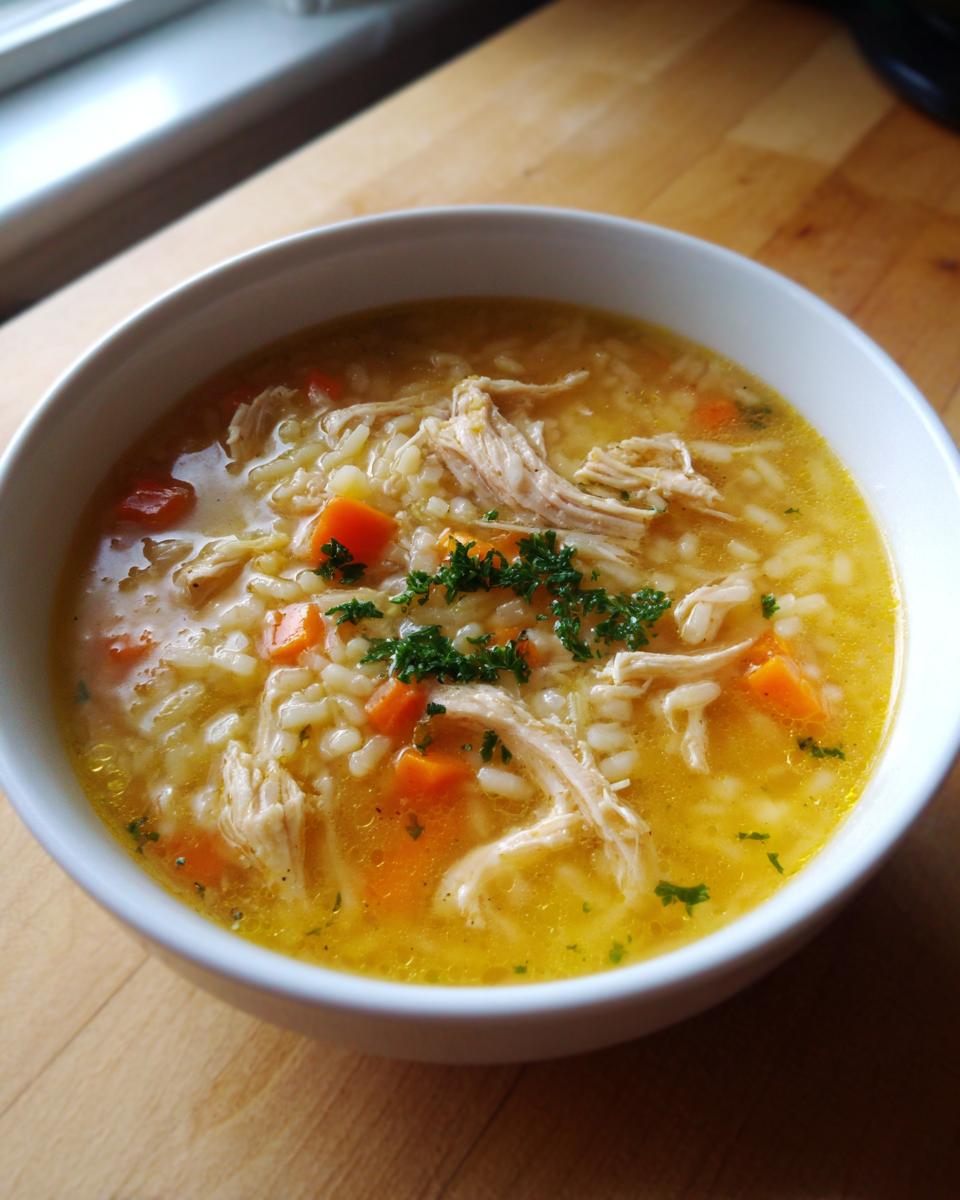
Now for the fun part! Take two forks and shred that chicken up nice and fine—or dice it small if you prefer chunks. Toss that soft, shredded meat right back into the flavorful broth. Return the heat up to medium so the soup bubbles again, then toss in your traditional Italian pastina. It only takes about 6 to 8 minutes for that tiny pasta to cook perfectly, stirring every minute so nothing sticks to the bottom. When the pasta is done, yank out that bay leaf—it’s done its job! Then, stir in the fresh parsley and that mandatory splash of bright lemon juice. Do a taste test right then for salt and pepper. You’re basically done! If you want to see how I handle similar broths without the pasta, check out this delicious variation I sometimes make.
Tips for the Best Italian Penicillin Soup Results
We’ve got the basic recipe down, but every Nonna has a few little secrets that take a good soup and make it absolutely magical. Since this is the soup you turn to when you *really* need comfort, we need to nail those finishing touches. It all comes down to using the best broth you can find and knowing exactly when to add your brightness—the lemon!
Seriously, please try to use a low-sodium, high-quality broth here. It makes a huge difference! If you can sneak in some homemade chicken stock, even better, but if you are rushing because you’re sick, just buy the best carton you see. This soup is so simple that every ingredient really has to shine.
Achieving a Perfect Lemon Garlic Soup Recipe Flavor
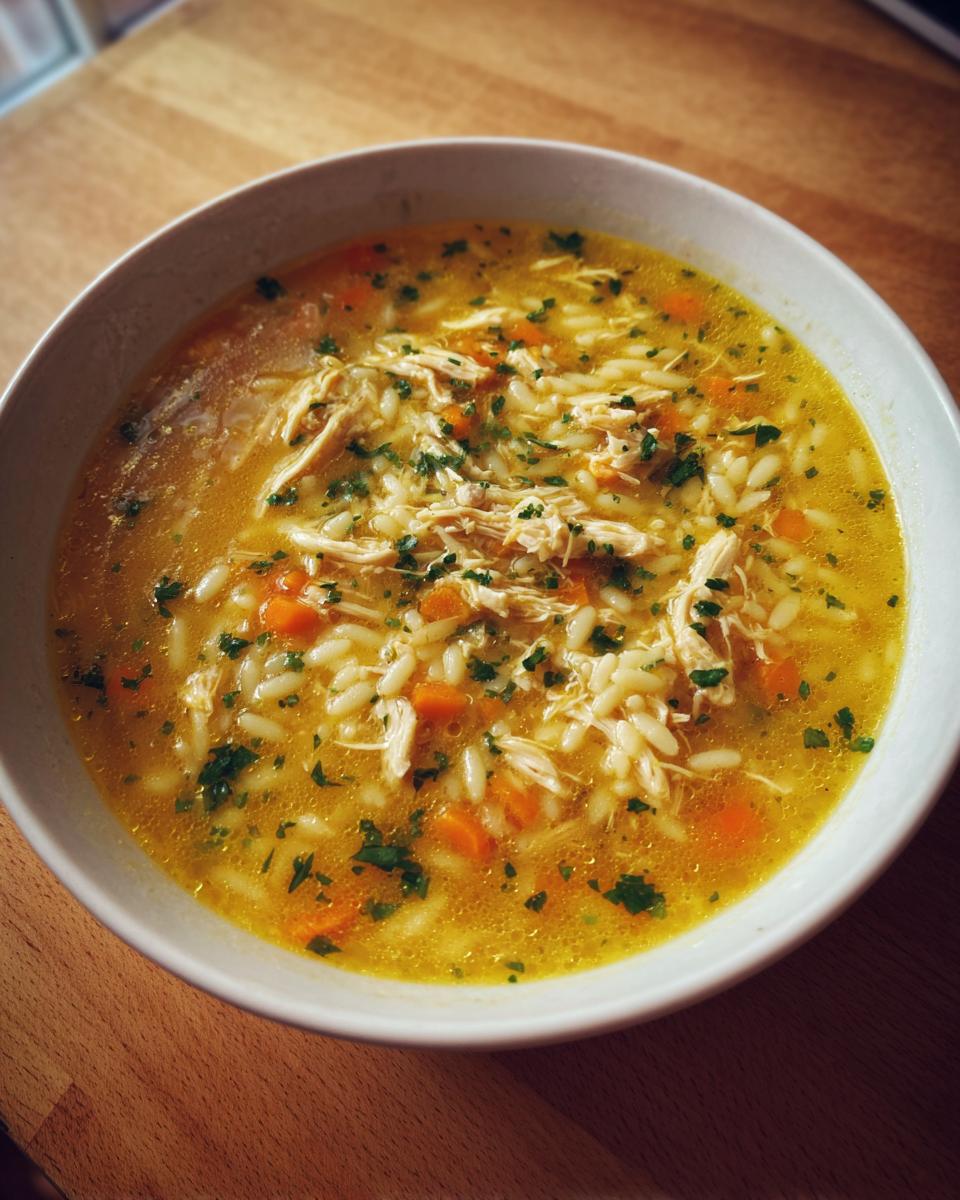
When it comes to garlic, the rule is simple: put it in at the beginning with the onions and carrots because we want it to soften and gently perfume the broth. But! If you notice that the soup is finished and still tastes a bit flat, that’s when you add fresh, raw garlic *right at the end*. Just grate in half a clove on a microplane grater. It gives this amazing, sharp, fresh bite that screams Lemon Garlic Soup Recipe!
When it comes to seasoning, my rule is: always taste before serving. I almost always need more salt than I think, especially after adding the pasta. And when you add that lemon juice, start with just a teaspoon, stir well, and then taste again. You want it bright and zesty, not sour. You don’t want to shock your system when you’re sick, you want a gentle lift. For more tips on keeping that classic Italian simplicity, check out this guide on authentic Italian pastina techniques!
Storage and Reheating Instructions for Your Italian Penicillin Soup
This soup is glorious leftovers, but we have to talk about the pastina. Pasta is like a sponge, bless its little heart. If you leave it in the broth overnight, it will soak up *everything* and you’ll end up with a thick, heavy sludge come morning—not the lovely brothy soup we want!
Here’s my tip for quick homemade chicken soup leftovers: cook the pastina separately, or only cook half the pasta you plan to eat that day. Seriously, cook the pasta in a separate small pot with salted water, drain it, and store it in the fridge. Then, when you reheat the broth the next day, just toss in the amount of cooked pasta you want to eat!
If you want to save the whole batch of broth without pasta, that’s perfect! The broth will stay pristine in the fridge for about four days. I love having this on hand for easy lunches, which you can check out some other ideas for on my lunch page!
Serving Suggestions for This Traditional Italian Pastina
You’ve made the perfect bowl of healing broth, but what goes alongside it? Since this broth is light and focused on comfort, you sure don’t want to weigh it down with anything too heavy! The goal here is warmth and gentle satisfaction.
First things first: Parmesan cheese. You absolutely need a little pile of freshly grated Parmesan cheese next to the bowls. A little sprinkle of salty, nutty goodness right on top just elevates the whole experience, making it that much richer without making the soup heavy. Don’t use the pre-grated stuff in the green shaker can—your soup deserves real flavor!
If you’re serving this up for a family dinner and not just a sick day lunch, you might want a little side something for dipping. I love pairing this soup with incredibly simple Italian appetizers. Something crisp and fresh works wonders against the soft pastina. Check out my recipe for simple tomato bruschetta!
The crunch of toasted bread topped with fresh tomatoes and basil is the perfect counterpoint to the soothing, garlicky broth. It keeps the meal feeling authentically Italian without being too filling. Sometimes just a slice of good, crusty Italian bread dipped into the broth is all you need, but when you’re feeling up for a tiny bit more effort, the bruschetta is a showstopper!
Frequently Asked Questions About Italian Penicillin Soup
I get so many questions when people try this recipe for the first time, especially if they are trying to use it as their primary soothing soup when sick. It’s wonderful how many of you are embracing this classic! Here are the few things I always hear about when folks are making this healing Italian broth at home.
Can I make this Italian Penicillin Soup vegetarian?
Absolutely! This is one of the best parts about this Italian comfort soup recipe. If you skip the chicken entirely and swap out the chicken broth for a high-quality vegetable broth, you’re golden. To make it substantial so it feels like a real meal, I always suggest tossing in either a cup of white beans (like cannellini) or just loading it up with extra carrots, celery, and maybe some zucchini. It makes a fantastic meatless version!
What is the best pasta to use for Pastina soup for colds?
The traditional shape is called *pastina*, which literally means “little pasta,” and it’s perfect because it’s so easy on the throat. If I can’t find that specific tiny star or bead shape, I grab orzo or ditalini—anything small that will cook quickly and hang onto a little bit of that flavorful liquid. The goal for pastina soup for colds is smoothness, so avoid anything firm or chewy!
How long does this soup take to cook for a quick homemade chicken soup?
Don’t worry if you’re feeling too cruddy to stand around for an hour! This whole thing, from chopping to serving, clocks in right around 50 minutes total. That means it qualifies perfectly as a fast and easy meal when you need an easy weeknight chicken soup like yesterday. Honestly, the longest part is just letting the chicken simmer until it’s tender, but most of that time is hands-off simmering, so go take a quick rest!
Estimated Nutritional Profile for Italian Penicillin Soup
Okay, I know when you’re sick, the last thing you want to think about is macros, but sometimes it’s good to know what you’re putting into your body! Since this recipe is so clean—all broth, tender chicken, and fresh herbs—it’s naturally light but still packed with the protein you need to recover quickly. Remember, I based these numbers on using standard low-sodium broth and the ingredients listed, but every dash of salt or squeeze of lemon is going to change things slightly when you mess around with them!
Here is the general guidance based on one big serving (about 1.5 cups):
- Calories: About 280 calories—perfect for a light meal that doesn’t sit heavy on the stomach.
- Protein: Wow, look at that! About 30 grams. That’s all from that cozy chicken helping you rebuild those cells!
- Fat: Really low, around 7 grams total. This is why it feels so clean and not oily.
- Carbohydrates: About 25 grams, mostly coming from the little pastina pasta and the carrots we add for sweetness.
- Sodium: This can jump quickly, so I stick to low-sodium broth! It clocks in near 550mg in this estimate.
Honestly, the beauty of this healing Italian broth is that it’s incredibly nourishing without being heavy carbohydrate-loaded. It’s the quintessential chicken soup for recovery because it gives you energy without making you feel sluggish afterward!
Share Your Experience Making This Comforting Italian Broth
Well, that’s it for Nonna’s miracle cure! I truly hope this classic Italian penicillin soup brings you as much warmth and comfort as it brings my family. If you made this for yourself or passed it along to someone who needed a little lift, would you do me a huge favor? Come back and leave a rating! It helps me know I’m giving you recipes that actually work. I love hearing your stories, too—did you add extra lemon? Did you have to resort to rice instead of pastina? Drop your notes below so we can all learn together! Don’t forget to share this recipe with anyone you know who needs a genuinely soothing soup when sick right now. Happy cooking, and be sure to check out my journey on the About Page!
PrintItalian Penicillin Pastina Soup (Nonna’s Comfort Broth)
Make this simple, traditional Italian soup, often called ‘Italian Penicillin,’ when you need comforting food. It features tender chicken, small pasta, and bright lemon flavor.
- Prep Time: 15 min
- Cook Time: 35 min
- Total Time: 50 min
- Yield: 4 servings 1x
- Category: Soup
- Method: Stovetop Simmering
- Cuisine: Italian
- Diet: Low Fat
Ingredients
- 6 cups low-sodium chicken broth
- 2 cups water
- 1 pound boneless, skinless chicken breasts or thighs
- 2 carrots, peeled and diced
- 2 celery stalks, diced
- 1 small yellow onion, chopped
- 3 cloves garlic, minced
- 1 teaspoon dried oregano
- 1/2 teaspoon dried thyme
- 1 bay leaf
- 1/2 cup pastina (or small pasta like ditalini or orzo)
- 1/4 cup fresh parsley, chopped
- 1 tablespoon fresh lemon juice
- Salt and black pepper to taste
- Grated Parmesan cheese, for serving (optional)
Instructions
- Combine the chicken broth, water, chicken pieces, carrots, celery, onion, garlic, oregano, thyme, and bay leaf in a large pot or Dutch oven.
- Bring the mixture to a boil over medium-high heat, then reduce the heat to low, cover, and simmer for 20 minutes, or until the chicken is cooked through.
- Remove the chicken from the pot and place it on a cutting board. Let it cool slightly. Keep the broth simmering gently.
- Shred or dice the cooked chicken using two forks. Return the shredded chicken to the pot.
- Increase the heat to medium and bring the broth back to a gentle boil. Add the pastina.
- Cook according to the pasta package directions, usually 6 to 8 minutes, stirring occasionally to prevent sticking.
- Remove the bay leaf. Stir in the fresh parsley and lemon juice.
- Taste the soup and add salt and pepper as needed.
- Serve hot, offering grated Parmesan cheese on the side if desired.
Notes
- For a vegetarian version, skip the chicken and use high-quality vegetable broth. Add 1 cup of white beans or extra vegetables for substance.
- If you do not have pastina, small soup noodles or rice work well in this recipe.
- To make this soup ahead, cook the pasta separately and add it just before reheating to prevent it from absorbing too much liquid.
Nutrition
- Serving Size: 1.5 cups
- Calories: 280
- Sugar: 4
- Sodium: 550
- Fat: 7
- Saturated Fat: 2
- Unsaturated Fat: 5
- Trans Fat: 0
- Carbohydrates: 25
- Fiber: 3
- Protein: 30
- Cholesterol: 75