

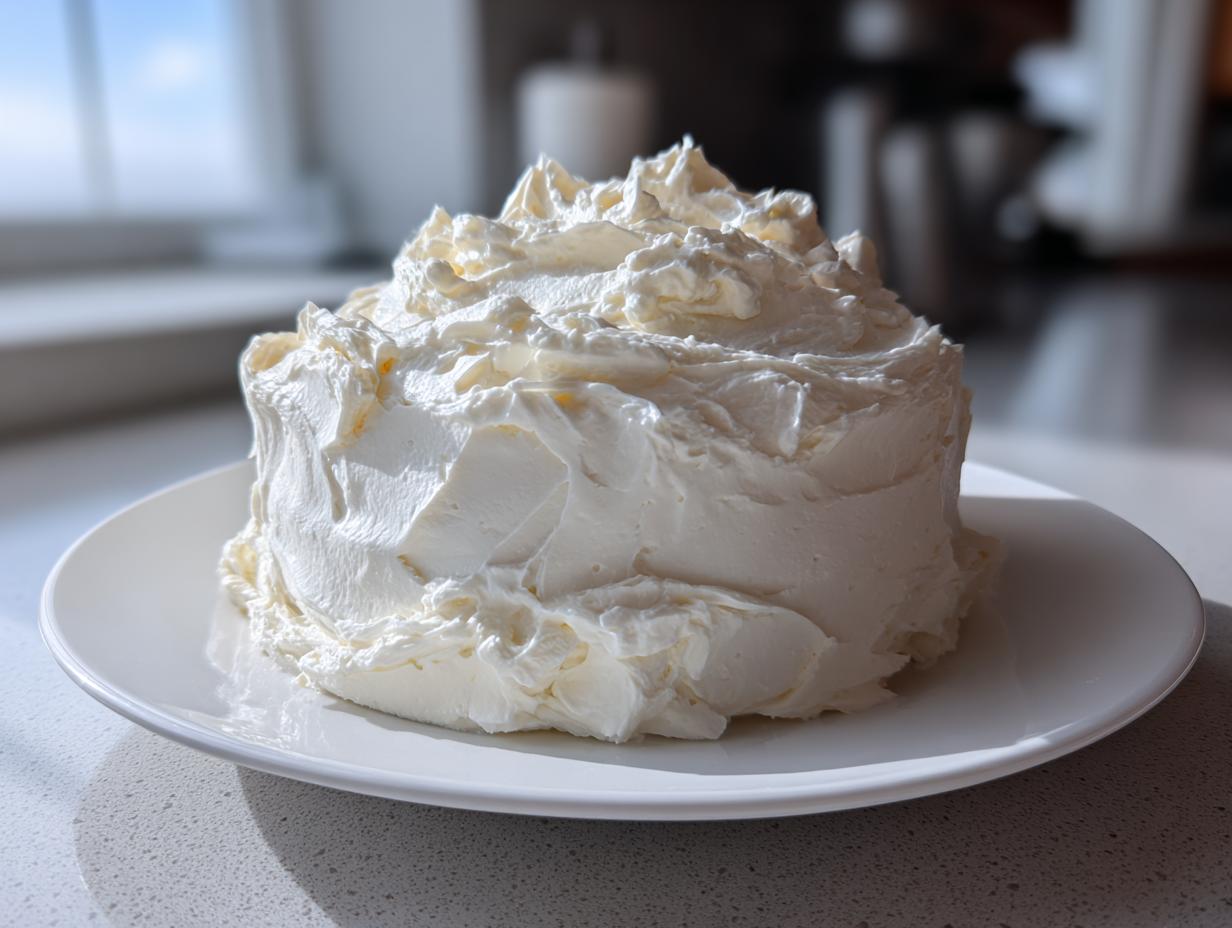
Has a beautiful cake ever been ruined by mediocre frosting? Trust me, I’ve been there! The topping needs to be just as exciting as the cake itself. If you want that flawless, bakery-quality finish that holds sharp lines for piping but melts beautifully in your mouth, then you’ve found your holy grail. This recipe isn’t just any recipe; this is my ultimate guide for achieving the most reliable, fluffy, and perfectly sweet vanilla buttercream frosting. When I first started out, getting the texture right felt like witchcraft, but I’ve broken down the exact whipping times and ingredient temperatures so you can master this classic skill. After just a few minutes, you’ll be ready to frost those stunning vanilla cupcakes!
- Why This Classic American Vanilla Buttercream Frosting Is Your New Go-To
- Ingredients for the Ultimate Vanilla Buttercream Frosting
- Step-by-Step: How to Make Vanilla Buttercream Frosting
- Tips for Perfect Piping Consistency Frosting
- Troubleshooting Common Vanilla Buttercream Frosting Issues
- Variations on Classic American Buttercream
- Storage and Reheating Instructions for Vanilla Buttercream Frosting
- Frequently Asked Questions About This Easy Vanilla Frosting Recipe
- Estimated Nutritional Data for Vanilla Buttercream Frosting
Why This Classic American Vanilla Buttercream Frosting Is Your New Go-To
Forget those crusty, overly sweet batches you’ve had before! This vanilla buttercream frosting is different because it hits that perfect sweet spot. It’s fast—we’re talking under 15 minutes total—and it handles decoration beautifully. It truly is the gold standard for icing.
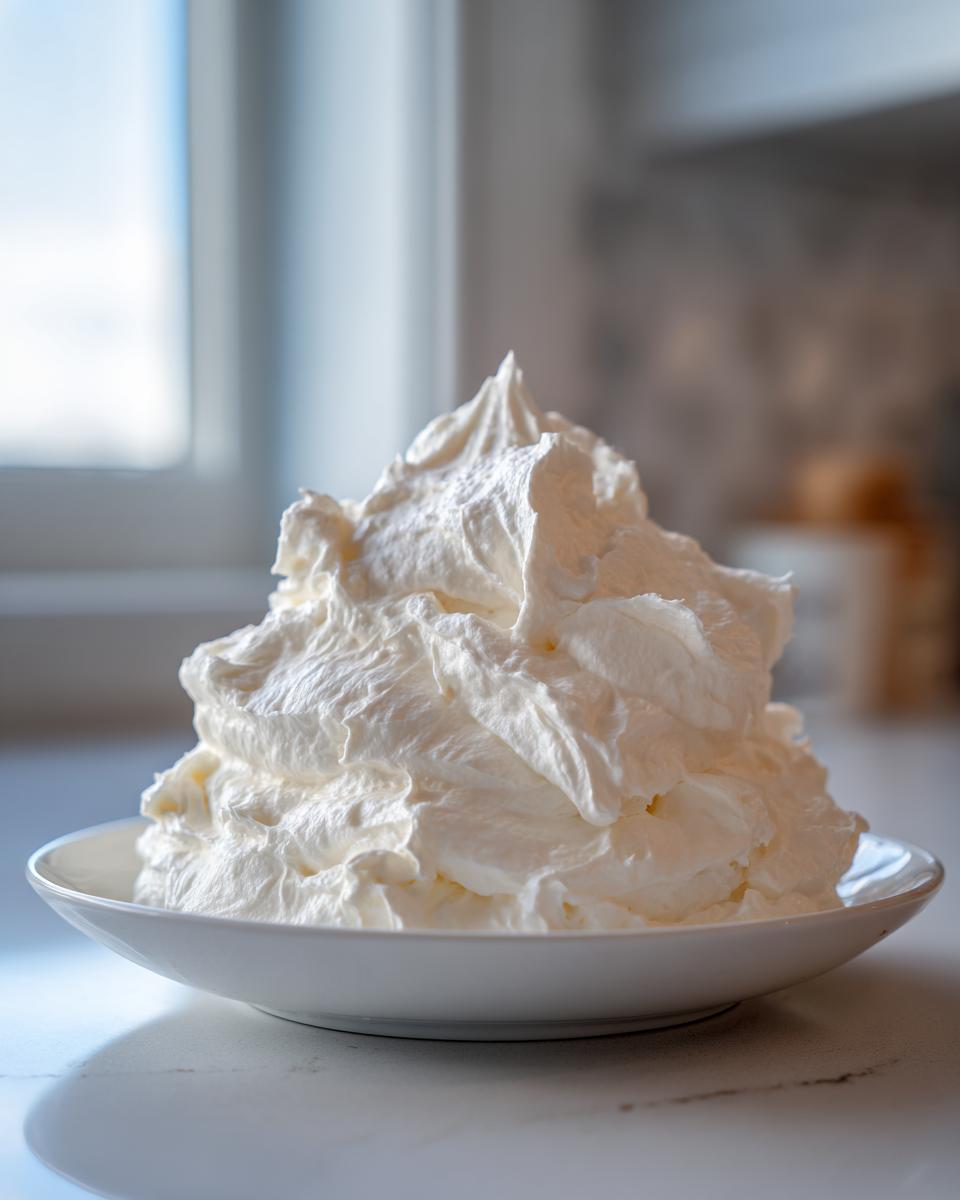
- It’s ultra-creamy and smooth—no gritty sugar surprise!
- It whips up fast using pantry staples, making it a fantastic quick dessert topping.
- It’s stiff enough to hold crisp edges when you pipe designs onto cakes or cookies.
Achieving the Perfect Creamy Cupcake Frosting Texture
The secret to this amazing texture lies in two things: butter brought just to room temperature (not melty!) and that glorious, long whipping time at the end. When you beat that mixture for five full minutes, you incorporate tiny air bubbles. That’s what turns heavy butter and sugar into this incredibly light, creamy cupcake frosting that practically floats right off your spatula.
Ingredients for the Ultimate Vanilla Buttercream Frosting
When it comes to an amazing frosting, especially one as classic as this, the quality of your ingredients really shines through. Since we aren’t baking this, we need every component to be perfect when it meets the mixer. Don’t worry, you won’t need anything fancy, just good staples! You can find the exact measurements below:
- 1 cup (2 sticks) unsalted butter, softened to room temperature
- 4 cups powdered sugar, sifted
- 1 teaspoon pure vanilla extract
- 3 to 4 tablespoons heavy cream or milk
- Pinch of salt
Before you start, make sure you have your chocolate chip cookies cooling down, because soon you’ll need something to test this frosting on!
Ingredient Notes and Substitution Tips
I always insist on unsalted butter so I can control the salt level myself—that little pinch is important for balancing the sweetness! Also, please, please sift your powdered sugar. Trying to smash those clumps in the mixer just leads to a grainy final product and frustration. Trust me on this one!
If you’re out of heavy cream, don’t panic! You can absolutely use whole milk, but start with 3 tablespoons and only add more a teaspoon at a time. Milk tends to make the frosting slightly softer than cream, so that extra little bit might be needed if you prefer a stiff frosting for decorating.
Step-by-Step: How to Make Vanilla Buttercream Frosting
Okay, here is where the magic truly happens! This process is so straight-forward. Have your mixer ready and all your ingredients measured out because once you start, it moves quickly, especially if you want that amazing pound cake to be ready for its topping!
- First, pop that softened butter into your big mixing bowl. Give it a good run on medium speed until it looks glossy and totally smooth—this usually takes about two minutes. Remember to scrape down the sides so everything gets mixed evenly.
- Next, we add the dry stuff. Pour in that sifted powdered sugar slowly, cup by cup, keeping the mixer speed low until the sugar is just incorporated. You don’t want a white cloud exploding across your kitchen!
- Now, sprinkle in your vanilla and that tiny pinch of salt. Give it a quick mix on low.
- This is the big moment! Add the first 3 tablespoons of heavy cream or milk, then crank that mixer up to medium-high. You need to beat this mixture for a solid 3 to 5 minutes. Seriously, don’t touch that dial early!
- Take a peek. If it seems too stiff to spread onto your cake, add that last tablespoon of cream a teaspoon at a time until it feels right for you.
- If you plan on piping fancy designs, keep whipping it for maybe one or two more minutes. You want it light and lofty!
Whipping for Fluffy Cake Icing Consistency
That 3 to 5 minutes of high-speed whipping is non-negotiable if you want the best homemade buttercream. You are looking for a visible transformation here. The color will lighten up significantly, going from a pale yellow to almost white. The texture should change from thick and heavy to light, pale, and visibly airy. That’s when you know you’ve successfully incorporated enough air to make your ultimate fluffy cake icing!
Tips for Perfect Piping Consistency Frosting
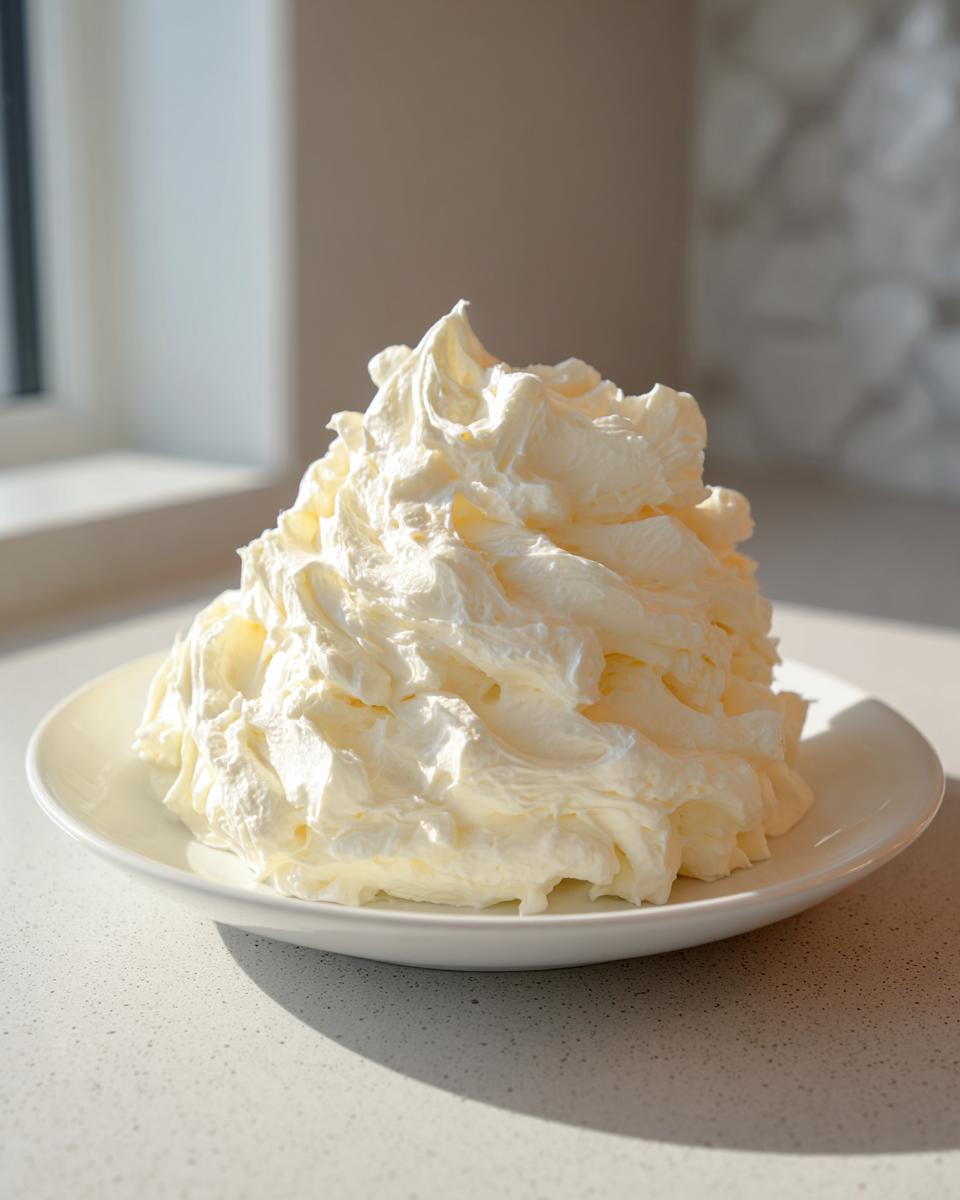
If you’re like me and you want those crisp, clean lines when decorating—maybe for a beautiful sugar cookie border or a fancy cupcake swirl—then getting the consistency just right is everything for your vanilla buttercream frosting. Remember my note about temperature? If your kitchen runs warm, or if you whipped it too long, the frosting might start looking a little sad and slouchy. Don’t worry!
If it gets too soft while you’re working, just pop the whole bowl into the fridge for about 10 minutes, then give it a quick 30-second whip again. That always firms it up beautifully! Also, here’s one I learned the hard way: make sure your piping tips aren’t ice cold from the dishwasher. Having room temperature tips helps the frosting flow smoothly right out of the nozzle without getting dragged down, which ensures those sharp edges we love. Before you start piping, check out this amazing resource for decoration ideas: Vanilla Buttercream Frosting for decorating inspiration!
Troubleshooting Common Vanilla Buttercream Frosting Issues
Even with the perfect recipe, sometimes things go a little sideways in the kitchen, right? Don’t throw in the towel if your vanilla buttercream frosting isn’t looking perfect immediately. The two most common hiccups I see are runniness or graininess.
If your frosting is too thin—often because the butter was too warm—you simply need to cool it down. Pop the entire bowl into the mixer (don’t dump it out!) and chill it in the fridge for about 15 minutes. When you bring it back out, give it a fast, hard whip, and watch it thicken right up. If you want a rich, moist chocolate cake later, remember butter temperature matters!
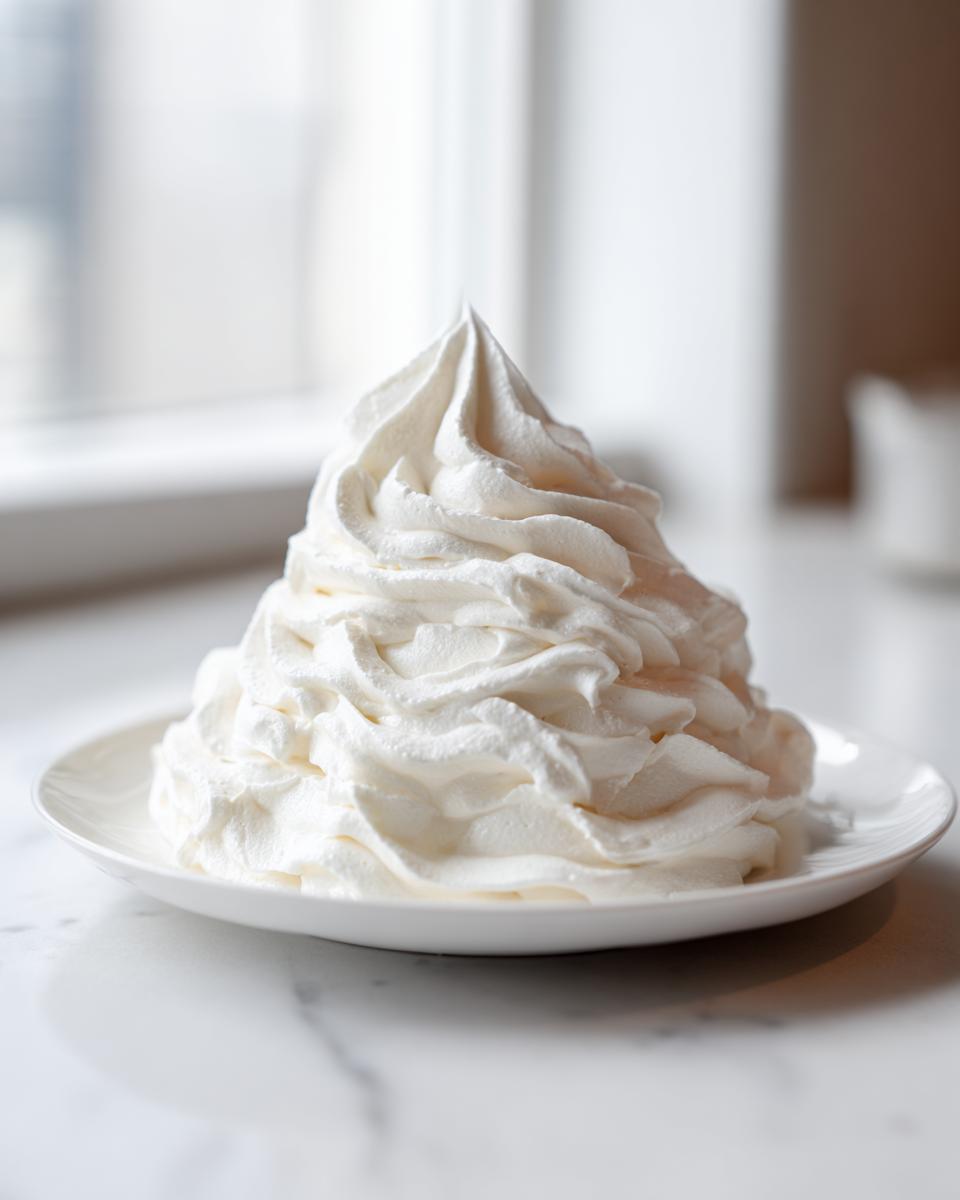
If it tastes grainy, it usually means the powdered sugar didn’t dissolve or, more likely, it wasn’t sifted well enough. The fix here is patience: keep whipping it on medium-high speed. Sometimes, warming the bowl slightly while whipping can help dissolve those tiny sugar crystals to smooth out the texture.
Variations on Classic American Buttercream
Now that you have mastered the classic American buttercream, I want you to start playing in the sandbox a little! This base recipe is like a blank canvas, just begging for a little creative flair so you can make it truly your own. It’s so much fun seeing how a tiny change completely changes the whole dessert profile.
If you are making a cake for a special event, like a red velvet cake recipe, you might want something beyond pure vanilla. My go-to move is to swap out half the vanilla extract for a teaspoon of pure almond extract. Wow! That gives it this lovely, almost nostalgic bakery flavor. It’s subtle but delicious, especially good on simple sugar cookies.
Another easy trick is using citrus. Once your frosting is smooth, add about a teaspoon of finely grated lemon zest. It cuts through some of that sweetness and brightens everything right up. It’s perfect if you are using this for an vanilla icing for cookies that you plan to eat right away.
Want color? Don’t use too much liquid coloring, especially if you plan on piping! Gel food coloring is your friend here. Start with one small toothpick dip of color, mix it in, and add more until you hit your perfect shade. A little bit goes a really long way when you are aiming for a vibrant color without thinning out your piping consistency frosting.
Storage and Reheating Instructions for Vanilla Buttercream Frosting
You absolutely should save any leftover vanilla buttercream frosting—this stuff is too good (and too much work!) to waste. If you have any left over after decorating that carrot cake, simply press a layer of plastic wrap directly onto the surface of the frosting to keep air out, and pop the whole container in the fridge. It’ll keep nicely for about a week, no problem!
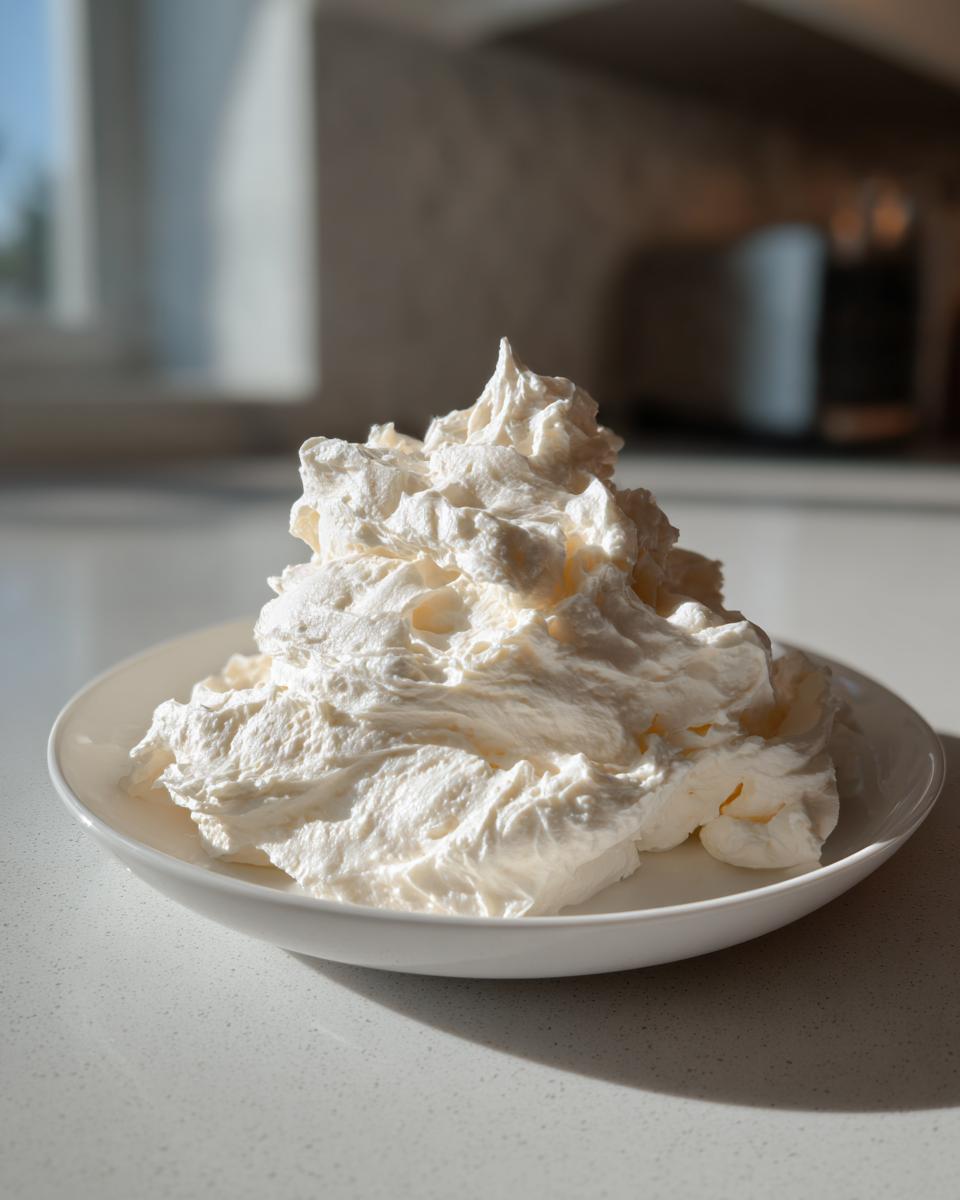
When you’re ready to use it again, pull it out about an hour before you plan to frost. Don’t skip the re-whip! Once it’s soft, put it back in your mixer and beat it for a minute or two on medium speed. This brings back all that glorious air you whipped into it the first time, making it smooth and ready for decorating again.
Frequently Asked Questions About This Easy Vanilla Frosting Recipe
I know sometimes when you’re looking at a recipe, you might have that one little question buzzing around in your head that’s not totally obvious from the instructions. That’s totally normal! I’ve pulled together some of the things I get asked most often about this easy vanilla frosting recipe so you can feel confident starting your project, whether it’s a giant layer cake or just a few bakery-style fluffy homemade treats.
Can I use salted butter instead of unsalted butter?
You sure can, but you have to adjust the salt we add! Salted butter usually has about 1/4 teaspoon of salt per half cup. Since this recipe calls for 1 cup of butter, that means about 1/2 teaspoon of salt is already sneaking in there. So, skip the pinch of salt we added in step three entirely. If you love a slightly saltier flavor, though, go ahead and add just a tiny pinch yourself—it really cuts the sweet edge of the vanilla buttercream frosting!
How much frosting does this recipe yield and can I double it?
This recipe gives you about 3 cups total, which is usually perfect for generously frosting one 8-inch two-layer cake or about 18 to 20 cupcakes. If you’re tackling a huge sheet cake, you’ll definitely want to double the batch! When you double it, just be mindful of your mixer capacity. You might need to run it in two smaller batches if your bowl is getting overloaded, just to make sure you get that crucial whipping time.
Is this buttercream good for decorating cookies?
It is! While it’s thick enough when chilled, this recipe leans slightly softer than traditional royal icing, which is why I love it. It makes incredible vanilla icing for cookies if you’re looking for a softer bite. I suggest chilling the frosted cookies for about 30 minutes before stacking them or moving them around too much, just to let that butter firm up nicely so you don’t get smudges.
My frosting is too sweet! What can I do?
That’s the classic issue with American buttercream! If it tastes a little too sugary, it means you need more balance. My best fix is to add another small dollop of butter (softened!) or a splash more heavy cream, and then whip it vigorously again. Sometimes just adding 1/8th of a teaspoon of extra pure vanilla extract can help deepen the flavor enough that the sweetness doesn’t dominate.
Estimated Nutritional Data for Vanilla Buttercream Frosting
I always get asked about the numbers, and while I focus more on what tastes amazing, I know tracking nutrition is important for many of you! Keep in mind these are estimates based on standard measurements for the full batch, and they can shift based on the brand of butter or sugar you choose.
- Serving Size: 1/4 cup
- Calories: 350
- Fat: 15g (Saturated Fat: 9g)
- Carbohydrates: 56g
- Sugar: 55g
- Protein: 1g
Just remember, this deliciousness is based on real butter and sugar, so these are estimates for a truly decadent treat!
PrintClassic American Vanilla Buttercream Frosting
This recipe gives you a reliable, creamy, and fluffy vanilla buttercream frosting perfect for piping onto layer cakes and cupcakes. It uses simple ingredients and whips up quickly.
- Prep Time: 10 min
- Cook Time: 0 min
- Total Time: 10 min
- Yield: About 3 cups 1x
- Category: Dessert Topping
- Method: Mixing/Whipping
- Cuisine: American
- Diet: Vegetarian
Ingredients
- 1 cup (2 sticks) unsalted butter, softened to room temperature
- 4 cups powdered sugar, sifted
- 1 teaspoon pure vanilla extract
- 3 to 4 tablespoons heavy cream or milk
- Pinch of salt
Instructions
- Place the softened butter into a large mixing bowl. Beat the butter with an electric mixer on medium speed until it is completely smooth and creamy, about 2 minutes. Scrape down the sides of the bowl.
- Gradually add the sifted powdered sugar, one cup at a time, mixing on low speed until just combined after each addition.
- Add the vanilla extract and the pinch of salt. Mix on low speed until incorporated.
- Add 3 tablespoons of heavy cream or milk. Increase the mixer speed to medium-high and beat for 3 to 5 minutes. This whipping time is key to making the frosting light and fluffy.
- Check the consistency. If the frosting seems too stiff for spreading or piping, add the remaining 1 tablespoon of cream, one teaspoon at a time, until you reach your desired texture.
- If you need the frosting to hold stiff peaks for piping, continue whipping for an extra minute or two.
- Use immediately to frost your cakes or cupcakes.
Notes
- For the smoothest frosting, make sure your butter is truly softened, not melted.
- Sifting the powdered sugar prevents lumps in your final product.
- If you are using this for decorating, chilling the frosted item briefly can help the frosting set up for cleaner piping lines.
- If the frosting becomes too soft while working, chill the bowl for 10 minutes before whipping it again.
Nutrition
- Serving Size: 1/4 cup
- Calories: 350
- Sugar: 55
- Sodium: 50
- Fat: 15
- Saturated Fat: 9
- Unsaturated Fat: 6
- Trans Fat: 0
- Carbohydrates: 56
- Fiber: 0
- Protein: 1
- Cholesterol: 35