

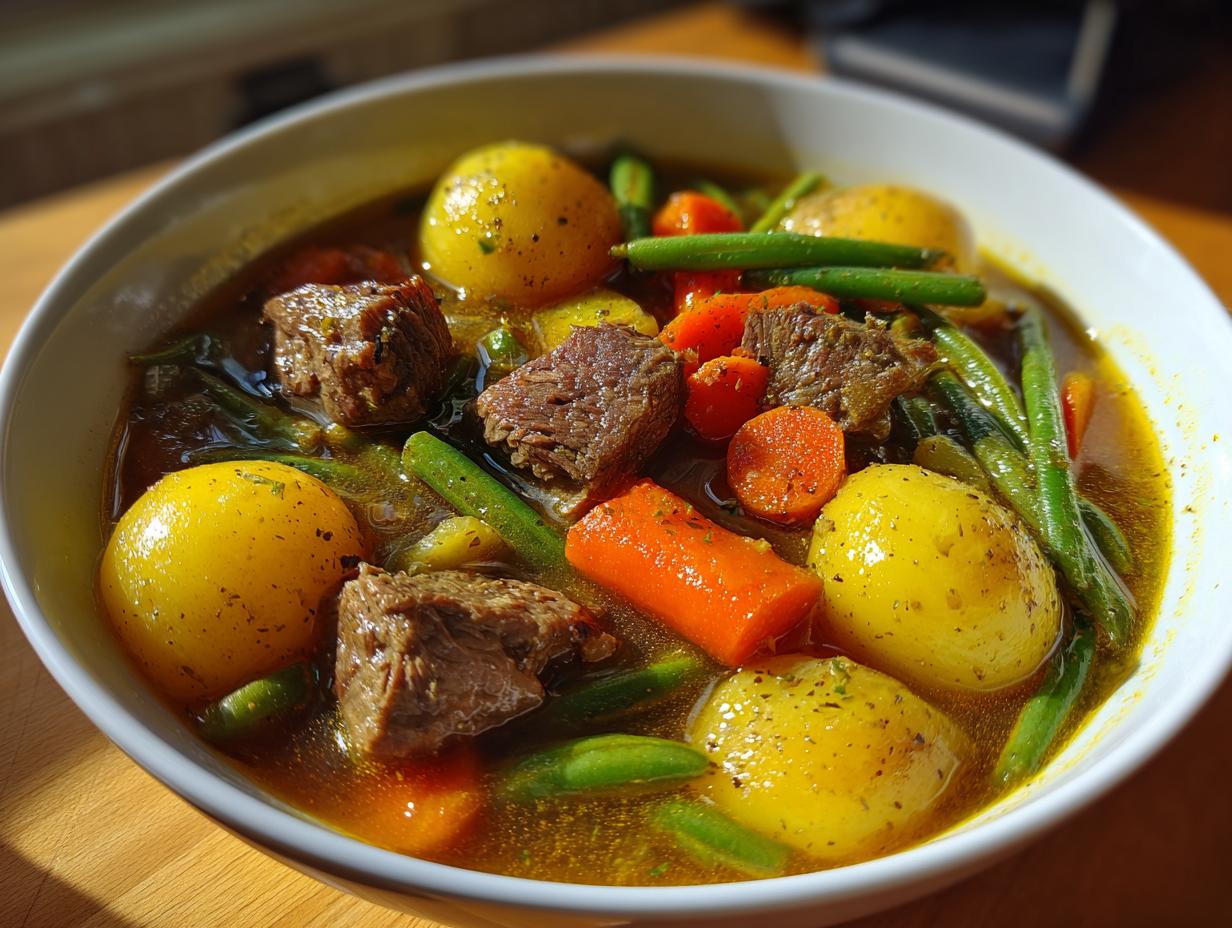
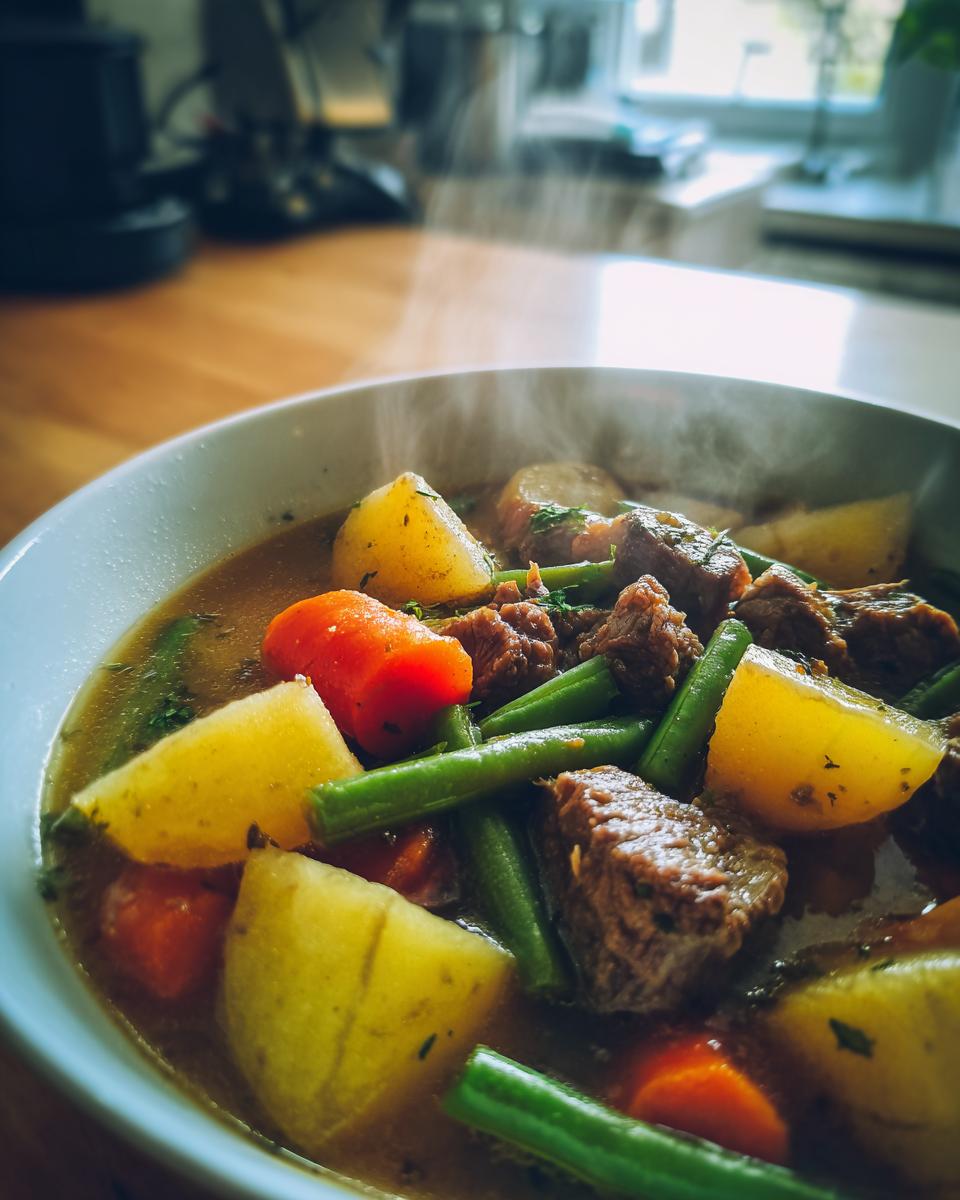
Oh, are you ready for some serious comfort? There is absolutely nothing that beats the feeling of coming in from the cold and smelling a huge pot of savory **vegetable beef soup** bubbling away on the stove. Right? I know that feeling so well! This isn’t just any soup recipe you’ll find floating around; this is my absolute favorite, the Classic Old-Fashioned Vegetable Beef Soup. Trust me when I say this version tastes like it has been simmering happily on the back burner all day long, even though we’re going to get it done in just under two hours. Forget those watery, thin versions; this is rich, hearty, and exactly what you need tonight. I’ve tested this until the beef was impossibly tender, and now I’m handing you the details!
- Why This Classic Vegetable Beef Soup Recipe Works (E-E-A-T)
- Gathering Ingredients for Your Vegetable Beef Soup
- Step-by-Step Instructions for Perfect Vegetable Beef Soup
- Tips for the Best Old Fashioned Vegetable Beef Soup
- Ingredient Notes and Substitutions for Vegetable Beef Soup
- Serving Suggestions for Your Hearty Beef Soup Recipe
- Storing and Reheating Homemade Vegetable Beef Soup
- Frequently Asked Questions About Vegetable Beef Soup
- Nutritional Estimate for This Classic Vegetable Beef Soup
- Nutritional Estimate for This Classic Vegetable Beef Soup
Why This Classic Vegetable Beef Soup Recipe Works (E-E-A-T)
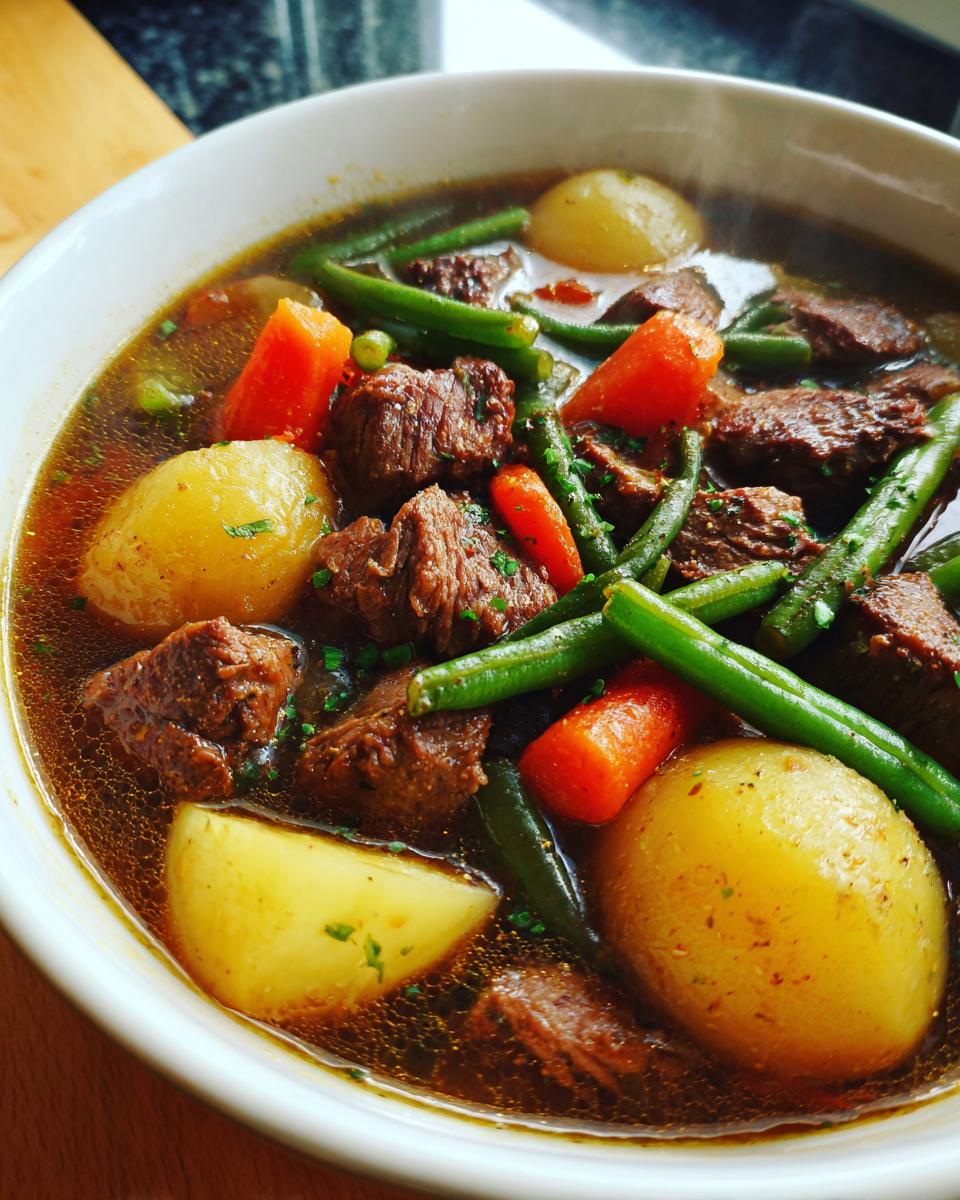
When I say this is the Best Vegetable Beef Soup, I really mean it. The flavor foundation is everything, and that’s why you simply must brown your stew meat first. This step might seem extra, but those deep, caramelized bits left in the pot create the rich background flavor for our Hearty Beef Soup Recipe. Don’t skip it! I’ve tested this against the ‘Dump and Go’ methods, and the difference is huge. This specific order of operations—browning, sautéing the mirepoix, then simmering—guarantees you get truly Tender Beef Soup you’ll want to make every single week. I’ve tested these timings rigorously in my own kitchen so you don’t have to guess!
If you’re looking for other beef dishes that shine with similar foundational flavor built through proper searing, you should check out my favorite way to make Beef Stroganoff next.
Gathering Ingredients for Your Vegetable Beef Soup
Okay, now that we know we’re aiming for that deep, savory flavor, let’s talk components. Success in the kitchen always starts with having everything ready to go—what we call mise en place! For this Classic Vegetable Soup, we are keeping things simple but high quality. You’ll notice we’re using stew meat, which breaks down beautifully during that simmer, giving us that perfect, fall-apart texture.
Here is exactly what you need to pull together this amazing meal. Don’t substitute that Worcestershire sauce, though; it adds such a critical depth to the broth!
- 2 pounds beef stew meat, cut into 1-inch cubes
- 1 tablespoon olive oil
- 1 large yellow onion, chopped
- 2 celery stalks, chopped
- 2 carrots, peeled and sliced
- 2 cloves garlic, minced
- 6 cups beef broth
- 1 (14.5 ounce) can diced tomatoes, undrained
- 1 teaspoon dried thyme
- 1 teaspoon dried oregano
- 1 bay leaf
- 1 pound potatoes, peeled and cubed
- 1 cup frozen green beans
- 1 cup frozen peas
- 1 teaspoon salt, or to taste
- 1/2 teaspoon black pepper, or to taste
- 1 tablespoon Worcestershire sauce
Step-by-Step Instructions for Perfect Vegetable Beef Soup
This is where the magic happens! Even though this is an Old Fashioned Soup Recipe, I promise the process flows easily enough to be considered an Easy Weeknight Soup if you prep your veggies ahead of time. Remember, this becomes a fantastic One Pot Beef Soup, so cleanup is a breeze! We’re working in stages here to build maximum flavor into every spoonful.
If you love the idea of hands-off simmering but need a different cooking method, check out my guide for making Slow Cooker Beef Stew. But for now, let’s stick to the stovetop!
Browning the Beef and Sautéing Aromatics
First, get your beef cubes seasoned nicely with salt and pepper. Heat that olive oil in your big pot over medium-high heat. You need that pan hot! Brown the beef in batches—and I mean it, don’t overcrowd the pot or it steams instead of browns. Set the browned meat aside once it gets that gorgeous crust. Now, drop the heat to medium, toss in your chopped onion, celery, and carrots, and cook those down until they start to get soft, about five to seven minutes. Right before you stop, sneak in your minced garlic for one quick minute until you can really smell it. That’s your flavor base!
Building the Savory Broth and Initial Simmer
Time to combine forces! Put that beautiful browned beef right back into the pot. Pour in all six cups of beef broth, and don’t forget those diced tomatoes (juice and all). Next, add your dried thyme, oregano, and that essential bay leaf. Bring the whole mix up to a boil, then immediately dial that heat way down to a gentle simmer. Cover it up and let it go for a solid 60 minutes. This hour is crucial for getting that Tender Beef Soup texture we want.
Adding Potatoes and Finishing the Vegetable Beef Soup
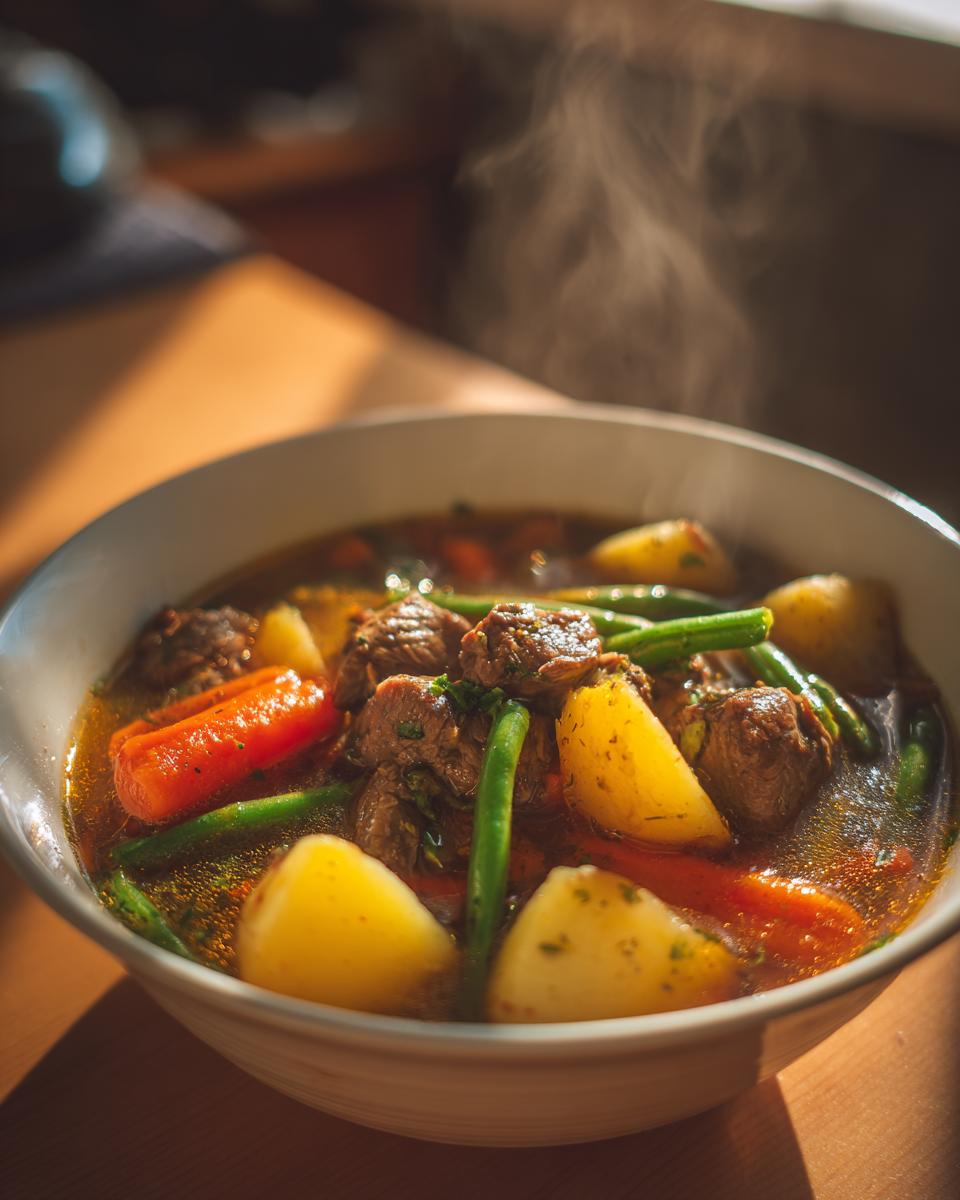
After an hour, the beef should be getting soft! Toss in your cubed potatoes. Cover it again and let it simmer for another 15 minutes until those potatoes are nearly done. Now, for the final veggies: add your frozen green beans and peas right away. We only cook them, uncovered, for about 10 more minutes. This keeps them bright green and slightly crisp, not mushy! Once that’s done, pull that bay leaf out—it’s done its job! Taste it and add any final salt or pepper you think it needs. For more soup inspiration, check out this great recipe from Natasha’s Kitchen—it’s one of my favorites to compare notes with: here.
Tips for the Best Old Fashioned Vegetable Beef Soup
Getting that deep-down, satisfying flavor that makes this an Old Fashioned Soup Recipe takes just a couple of little tricks I learned from testing this dozens of times. You want that complexity, right? Here are the final secrets to making sure your finished product sings!
- Deep Browning is Key: Seriously, take the time to get those beef cubes deeply browned on all sides. Don’t rush this; those dark bits clinging to the bottom of the pot are pure flavor gold that we capture later.
- Soak Your Raisins (Wait, Wrong Recipe!): Oops! Wrong comforting recipe! But seriously, stick to the recipe. A good tip, though, is just before adding your broth in Step 5, splash in about a quarter cup of dry red wine or even a tablespoon of balsamic vinegar and scrape up those brown bits—that’s called deglazing, and it boosts the savoriness like crazy!
- Freezing is Your Friend: This soup freezes like a dream, which is perfect for meal prepping! Cool the soup completely before bagging or jarring it up for later storage.
- Ground Beef Swap: If you are short on time and want to skip cubing beef, just use 1.5 pounds of ground beef. Brown it first, drain off all the fat, and then proceed with the recipe—it still makes a wonderful meal, though it won’t have the same chunkiness.
For more deep flavor techniques, I walk through my favorite onion caramelization process over in my guide to French Onion Soup. If you want a look at other classic takes on this dish, check out this lovely version from Simple Recipes: here.
Ingredient Notes and Substitutions for Vegetable Beef Soup
I get asked a ton of questions about mixing and matching ingredients in soup, which is totally normal! When you’re making that perfect bowl of vegetable beef soup, sometimes you just need to work with what you have on hand. My primary goal when writing this recipe was maximum payoff with accessible ingredients, but let’s tackle the common swaps!
First, let’s talk beef, since that’s the star of the show. If you absolutely can’t source stew meat or just prefer ground beef because it cooks faster—maybe you’re aiming for an Easy Weeknight Soup situation—go right ahead! As I mentioned in the tips section, brown about 1.5 pounds of ground beef with the onions and celery, making sure you drain off every last bit of fat when you’re done browning it. It changes the texture slightly, but the savory flavor remains true.
What about vegetables? The potatoes we use are critical for thickening the broth naturally. If you aren’t a fan of white potatoes, sweet potatoes are a great swap, though they will give the soup a slightly earthier, sweeter profile. Just cube them the same size! And if you are watching your sodium, which I often do, please use low-sodium beef broth. No worries there, you just need to rely on the salt and pepper at the end to season it perfectly to your taste. That savory broth flavor will hold up, I promise!
Serving Suggestions for Your Hearty Beef Soup Recipe
You’ve made this incredible, soul-soothing soup—now how do you serve it? A true bowl of Comfort Food Soup demands the right accompaniment! We all know that this rich broth just begs for something scoopable to mop up every last drop. Forget fancy sides; we need rustic, simple pairings.
My absolute go-to side for this Hearty Beef Soup Recipe is something simple and crusty. A fresh baguette sliced thick works wonderfully. If you’re feeling ambitious, though, you simply must pair it with homemade dinner rolls—they are perfect for dunking! You can find my favorite, softest recipe right here. Cornbread is also a fantastic, slightly sweeter choice that is perfect for a chilly evening!
Storing and Reheating Homemade Vegetable Beef Soup
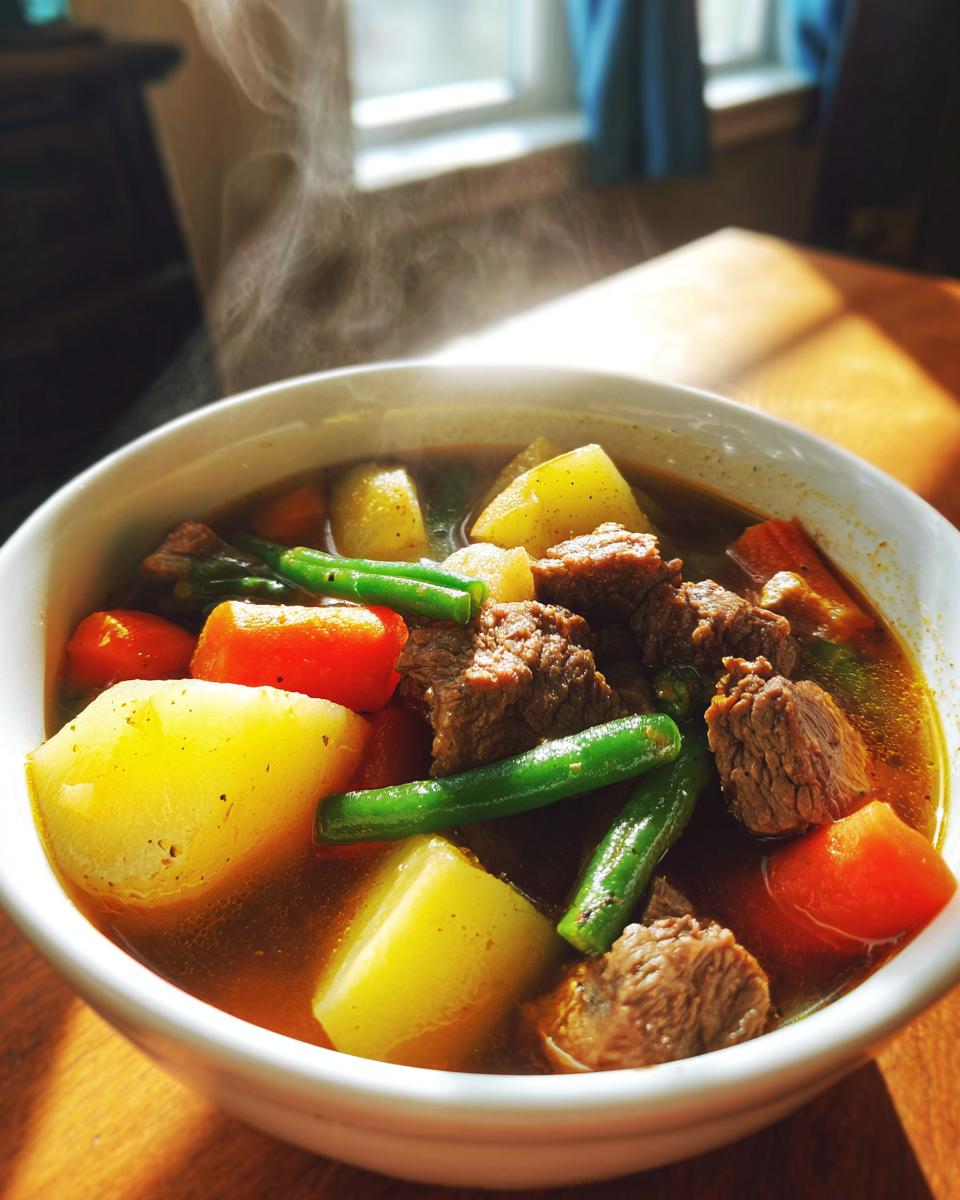
One of the great things about making a huge batch of vegetable beef soup is that it always tastes even better the next day! It gives all those delicious thyme and oregano notes time to really deepen into that rich broth. I always make sure I have designated containers ready for leftovers because I count on eating this for lunch the next day.
If you are storing it in the refrigerator, make sure the soup has cooled down a bit first, but don’t leave it sitting on the counter for hours—we want to get it chilled quickly. You can safely keep leftovers in airtight containers in the fridge for about three to four days. The vegetables might soften slightly, but the flavor payoff is still huge!
Freezing This Comfort Food Soup
This recipe is perfect for freezing, which is such a lifesaver when you need a Comfort Food Soup ready to go on a random Tuesday. Just like the note mentioned, make sure the soup is completely cooled down before you transfer it. Freezing hot soup isn’t safe and it can mess up the texture! I prefer using sturdy freezer-safe bags; just leave about an inch of headspace at the top because liquids expand.
This soup freezes beautifully for up to three months. When you’re ready to eat it, just transfer the frozen block to the fridge overnight to thaw before reheating. It keeps the texture so much better than trying to thaw it on the counter!
The Best Way to Reheat Your Soup
When reheating on the stovetop, which I always recommend for the best results, use medium-low heat. Stir it often so that the ingredients heat up evenly, especially since the starches from the potatoes can sometimes want to stick to the bottom of the pan.
If the soup looks a little thick after thawing or chilling, that’s totally normal! Just add a splash of extra beef broth or even water while it gently heats up. Never try to blast it on high heat; gentle warmth preserves the texture of the tender beef we worked so hard to achieve. If you’re reheating a small portion in the microwave, use 60-second bursts and stir in between until it’s piping hot throughout.
Frequently Asked Questions About Vegetable Beef Soup
Can I make this classic vegetable beef soup in a slow cooker?
Oh, yes, you absolutely can! If you want a truly hands-off experience for your Old Fashioned Soup Recipe, the slow cooker is your best friend. Now, you still need to do that initial browning step on the stovetop—it’s non-negotiable for the depth of flavor! After browning the beef and sautéing those initial veggies (steps 1 through 4), transfer everything to your slow cooker. Add all the broth, tomatoes, and herbs. Cook on LOW for 6 to 7 hours or HIGH for 3 to 4 hours until the beef is fork-tender. Add the potatoes for the last hour, and then finally toss in the frozen peas and beans for the last 20 minutes so they don’t turn to mush.
What is the biggest secret to making the broth rich and savory?
That wonderful, deep broth flavor you’re looking for in a truly Hearty Beef Soup Recipe comes from two key steps we took in the stovetop version. First, the deep browning of the beef builds intense savory notes. Second, after browning, we deglaze the pot—that’s when we scrape up those browned bits with the initial liquid, locking all that flavor right into the broth! I also highly recommend using a high-quality beef broth as your base, as that savory foundation is hard to beat. It separates this from just tasting like boiled beef and veggies.
Can I add grains like barley or rice to this soup?
That’s a fantastic idea for making this an even heartier meal! If you want to add barley, you definitely can, but you need to account for the extra cooking time. Pearl barley needs a good 45 to 60 minutes to soften up. I recommend adding the barley right after the beef has simmered for its first hour (so, right before adding the potatoes). If you’re using quick-cooking barley, you can toss it in with the potatoes during step 7. Rice is trickier; it tends to break down and make the soup gummy, so I usually skip it unless I’m making a specific rice soup recipe.
What if I want a slightly healthier version of this comfort food soup?
I love that you’re thinking about making this a lighter meal! The easiest way to keep this classic tasting great while cutting fat is to choose a leaner cut of beef, like top round, instead of standard chuck if you’re cubing it yourself. Also, when you brown the meat, make sure to drain off every speck of fat before you add the broth. Another simple swap is using low-sodium beef broth, which gives you control over the final salt content. You get all the amazing veggie flavor without the extra sodium!
If you’re interested in other ways to adapt beef recipes for your kitchen, you might want to check out my advice on slow cooker chicken stew to see how I adjust cooking times for different appliances. For more ideas on making this classic version shine, Family Feast Recipes has some great alternative tips here.
Nutritional Estimate for This Classic Vegetable Beef Soup
As with any Homemade Beef and Vegetable Stew recipe, the nutritional breakdown can change based on your exact cut of beef or how much salt you add! These values are based on the ingredients listed and standard preparation methods. Remember, this is a genuinely filling and satisfying meal, packed with protein and fiber!
- Serving Size: 1.5 cups
- Calories: 350
- Sugar: 8
- Sodium: 650
- Fat: 14
- Saturated Fat: 5
- Unsaturated Fat: 9
- Trans Fat: 0
- Carbohydrates: 28
- Fiber: 6
- Protein: 30
- Cholesterol: 75
Nutritional Estimate for This Classic Vegetable Beef Soup
I always get asked about the totals for my recipes, and I love sharing that this vegetable beef soup is a great option for a satisfying dinner that keeps you feeling full without weighing you down! It’s loaded up with lean protein from the beef and tons of fiber from all those wonderful carrots, celery, and potatoes. That’s what makes it such a fantastic choice for a weekly meal rotation. Remember, these are just estimates based on the standard amounts listed in the recipe and typical ingredient brands. If you use low-sodium broth or trim extra fat, your numbers will change!
- Serving Size: 1.5 cups
- Calories: 350
- Sugar: 8
- Sodium: 650
- Fat: 14
- Saturated Fat: 5
- Unsaturated Fat: 9
- Trans Fat: 0
- Carbohydrates: 28
- Fiber: 6
- Protein: 30
- Cholesterol: 75
Classic Old-Fashioned Vegetable Beef Soup
Make this hearty vegetable beef soup using tender stew meat and fresh vegetables. It is a comforting, classic recipe that tastes like it simmered all day.
- Prep Time: 20 min
- Cook Time: 90 min
- Total Time: 110 min
- Yield: 6 servings 1x
- Category: Dinner
- Method: Stovetop Simmering
- Cuisine: American
- Diet: Low Fat
Ingredients
- 2 pounds beef stew meat, cut into 1-inch cubes
- 1 tablespoon olive oil
- 1 large yellow onion, chopped
- 2 celery stalks, chopped
- 2 carrots, peeled and sliced
- 2 cloves garlic, minced
- 6 cups beef broth
- 1 (14.5 ounce) can diced tomatoes, undrained
- 1 teaspoon dried thyme
- 1 teaspoon dried oregano
- 1 bay leaf
- 1 pound potatoes, peeled and cubed
- 1 cup frozen green beans
- 1 cup frozen peas
- 1 teaspoon salt, or to taste
- 1/2 teaspoon black pepper, or to taste
- 1 tablespoon Worcestershire sauce
Instructions
- Pat the beef cubes dry with paper towels and season lightly with salt and pepper.
- Heat the olive oil in a large Dutch oven or stockpot over medium-high heat. Brown the beef in batches, ensuring not to overcrowd the pot. Remove the browned beef and set it aside.
- Reduce the heat to medium. Add the chopped onion, celery, and carrots to the pot. Cook, stirring occasionally, until the vegetables soften, about 5 to 7 minutes.
- Add the minced garlic and cook for 1 minute until fragrant.
- Return the browned beef to the pot. Pour in the beef broth and add the diced tomatoes (with their juice).
- Stir in the dried thyme, dried oregano, and bay leaf. Bring the mixture to a boil, then reduce the heat to low, cover, and simmer for 60 minutes, or until the beef starts to become tender.
- Add the cubed potatoes to the soup. Continue to simmer, covered, for another 15 minutes.
- Stir in the frozen green beans, frozen peas, salt, pepper, and Worcestershire sauce. Cook uncovered for 10 more minutes, or until the vegetables are tender and the beef is fully cooked through.
- Remove and discard the bay leaf before serving. Taste and adjust seasoning if needed.
Notes
- For a richer flavor, sear the beef in batches until deeply browned on all sides.
- If you prefer ground beef, brown 1.5 pounds of ground beef first, drain the fat, and add it with the broth in step 4.
- This soup freezes well for up to three months. Cool completely before storing.
Nutrition
- Serving Size: 1.5 cups
- Calories: 350
- Sugar: 8
- Sodium: 650
- Fat: 14
- Saturated Fat: 5
- Unsaturated Fat: 9
- Trans Fat: 0
- Carbohydrates: 28
- Fiber: 6
- Protein: 30
- Cholesterol: 75