

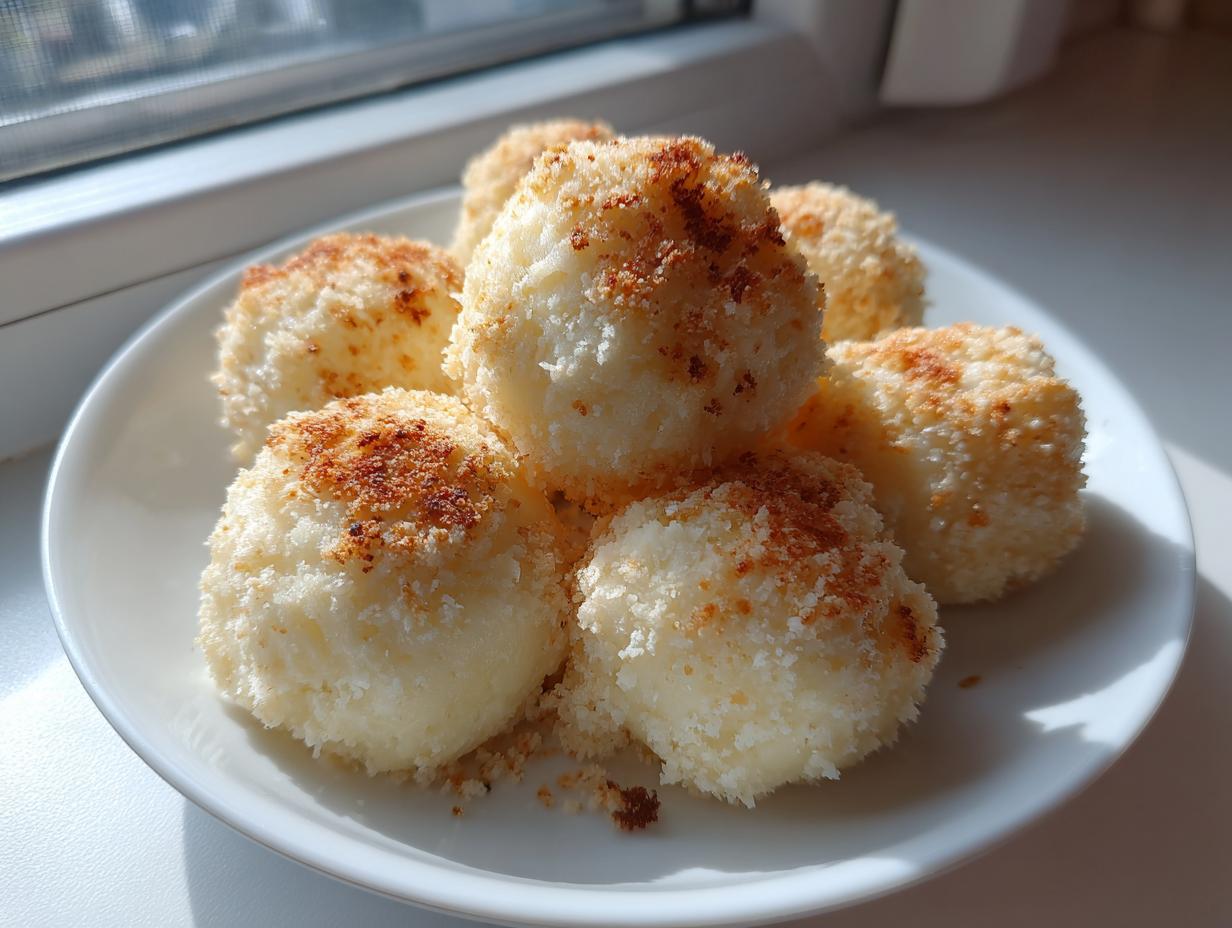
If you’re like me, sometimes you just need that hug-in-a-bowl kind of food, right? Something warm, hearty, and truly satisfying. That feeling is exactly what I chase down in the kitchen every single day. Forget those store-bought, gummy versions you might have tried; we are making the real deal today. I’m going to walk you through my absolute, rigorously tested recipe for authentic German potato dumplings—or Kartoffelklöße, as they are known overseas. I promise, once you master the simple technique here, you’ll feel completely confident making these soft, fluffy comfort food stars anytime you need a winner on your dinner table.
- Why This Authentic German Potato Dumplings Recipe Works (Kartoffelklöße)
- Essential Ingredients for Perfect Potato Dumplings
- How to Make Homemade Potato Dumplings: Step-by-Step Instructions
- Tips for Success When Making Potato Dumplings
- Serving Suggestions for Hearty Potato Dumplings
- Exploring Other Potato Dumplings: Polish Kopytka and More
- Storage and Reheating Instructions for Leftover Potato Dumplings
- Frequently Asked Questions About Potato Dumplings
- Share Your Homemade Potato Dumplings Experience
Why This Authentic German Potato Dumplings Recipe Works (Kartoffelklöße)
Look, I know making dumplings from scratch can sound intimidating. But trust me, this German potato dumplings recipe is solid gold. We’ve tested it time and time again so you don’t have to worry about sinking blobs or tough potatoes. It’s all about technique and using the right raw materials. When you nail this, you get that perfect balance of savory potato flavor and that essential, light fluffiness that defines a great Kartoffelklöße.
- This recipe is built around starchy potatoes, which break down perfectly for a smooth base.
- We toast the breadcrumbs separately—that little crunch on the outside is key!
- The nutmeg is non-negotiable; it gives the dumplings depth rather than just tasting like plain potato.
Achieving Fluffy Potato Dumplings Every Time
The biggest mistake folks make? Overworking the dough! Once you add the flour and egg, you need to mix until *just* combined. Seriously, stop mixing the second you don’t see dry flour streaks anymore. That tight, overworked mass is what leads to rubbery results.
Also, always use Russets or another very starchy variety of potato. Waxy potatoes hold too much surface moisture, and even if you dry them out, they just won’t mix into that light, airy structure we’re aiming for. A potato ricer helps immensely here!
Essential Ingredients for Perfect Potato Dumplings
When you are aiming for that authentic, melt-in-your-mouth texture, the ingredients are everything. I’ve laid out exactly what you need below for these traditional German potato dumplings. Don’t be tempted to skip the nutmeg—it adds such a lovely warmth to the palate! We need starchy potatoes because they steam up beautifully and give us that light base we are building on.
- 2 lbs starchy potatoes (Russet is your friend!), peeled
- 1 cup all-purpose flour
- 1/2 cup fine dry breadcrumbs
- 1 large egg
- 1 teaspoon salt and 1/4 teaspoon nutmeg
- 1 tablespoon butter (for toasting)
Ingredient Notes and Substitutions for Potato Dumplings
Choosing the right potato is honestly 60% of the battle. Stick to starchy potatoes like Russets or Idaho. If you use waxy ones like Yukon Gold for your homemade potato dumplings, they turn gluey faster. For the breadcrumbs, they need to be fine and dry—panko works, but make sure you only toast them lightly until they just start to turn golden, not dark brown!
As for the flour, regular all-purpose is perfect. Do NOT substitute it with bread flour; the higher protein content will make these tough no matter how gentle you are when mixing. We are sticking to the classic formula here because it just works!
How to Make Homemade Potato Dumplings: Step-by-Step Instructions
Okay, time to roll up our sleeves! This is where we turn simple boiled potatoes into those amazing, pillowy **potato dumplings** you dream about. I’ve learned that timing is everything here—you want the potatoes cooked perfectly but not waterlogged, and you want to work quickly once the flour comes out. Follow these steps exactly, and you’ll have dinner guests asking for your secret family recipe! This whole process, from start to finish, is surprisingly fast once your potatoes are cooked.
Preparing the Potato Base and Dough
First things first: those potatoes need a good, salty bath until they are completely mushy. Once they are soft, drain every last drop of water out. I usually let them sit in the empty pot for about 10 minutes just to steam off any extra moisture—this is crucial for texture! Then, you have to let them cool down just enough so you can handle them, but they should still be warm.
If you have one, grab your potato ricer! It makes the texture unbelievably smooth, setting you up for success. Mash them thoroughly until there are zero lumps lingering. Once they are mashed and warm, gently mix in your salt, nutmeg, and that egg. Now, gradually sprinkle in the flour and mix ever so lightly with your hands until it just comes together into a soft dough. Remember what I said earlier? Don’t knead this like bread! We want light, quick mixing. For other great potato techniques, check out my garlic herb roasted potatoes recipe!
Shaping and Cooking Your Potato Dumplings
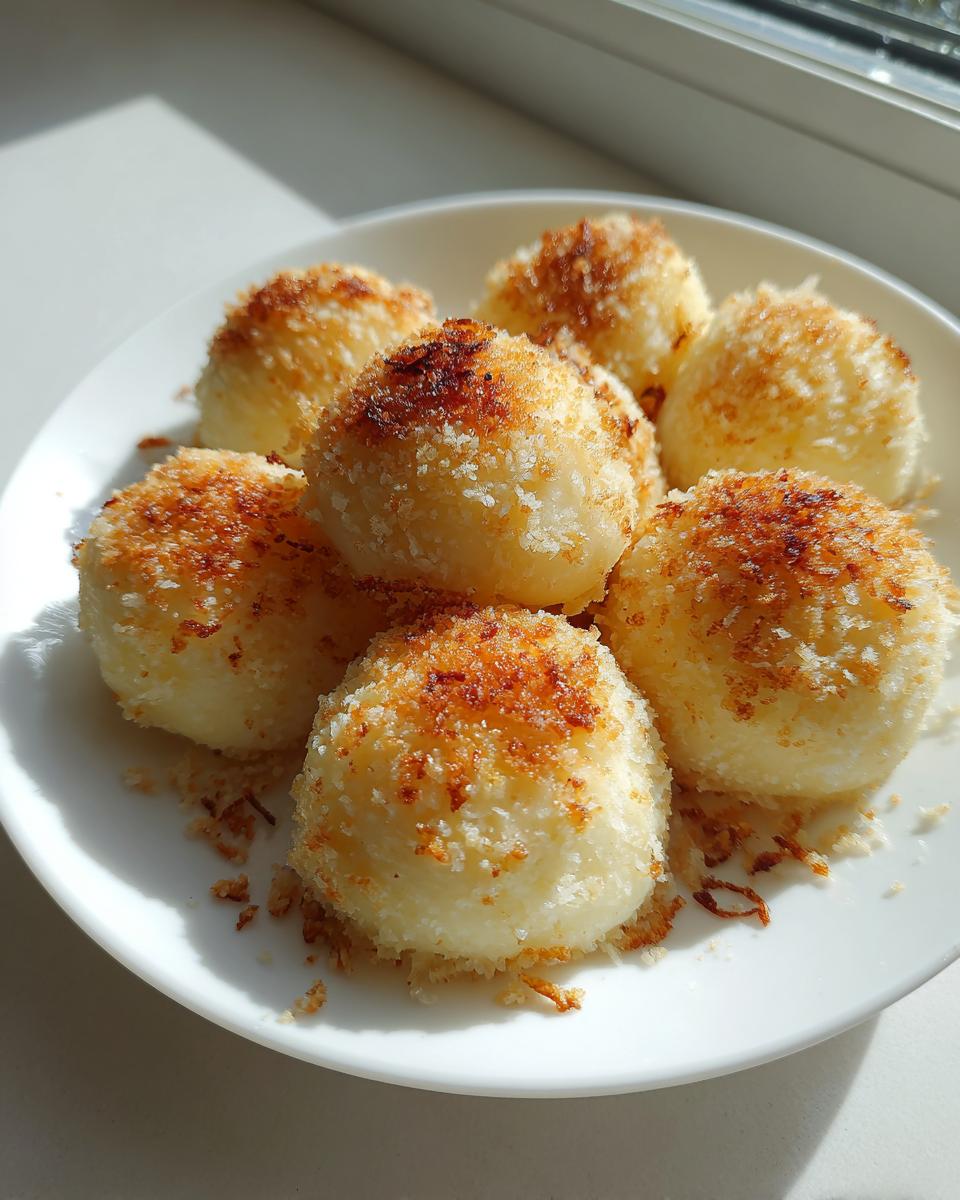
Now for the fun, slightly messy part: shaping! Lightly flour your hands on a clean surface, grab a piece of dough that’s about two tablespoons in size, and gently roll it into a smooth ball. Don’t press too hard trying to eliminate every single tiny imperfection; a little texture is fine, and compressing it too much makes them dense.
Get a giant pot of water going and make sure it’s salted nicely. Here is the most important instruction: you need a gentle simmer, not a hard, furious boil. If the water is boiling aggressively, it’ll rip your delicate dumplings apart. Carefully drop them in. They will sink right to the bottom at first. Once they start to cook, they’ll float up to the surface. Let them hang out at the surface for about 3 to 5 minutes after they float—that’s how you know they are cooked through. Check out how other folks manage their boiling process here: German Potato Dumplings rolling guide.
Tips for Success When Making Potato Dumplings
I want you to succeed with these **potato dumplings** no matter what! My biggest piece of advice usually revolves around the potato prep. If your dough feels stubbornly sticky after adding the flour—and I mean *sticky*, not just soft—it probably means your potatoes held onto a smidge too much steam. Keep a small bowl of flour nearby, but only add it a teaspoon at a time while you work the dough gently.
If your dumplings are unraveling in the water, that means your simmer is too high, or you didn’t seal the edges tightly enough when rolling. Remember, these are delicate, hearty comfort food dumplings, not tough little meatballs! When in doubt, pull one tester dumpling out of the water after 10 minutes—if it holds its shape, you’re golden. This method works perfectly every time I make my twice baked potato recipe, too—it’s all about controlled heat!
Serving Suggestions for Hearty Potato Dumplings
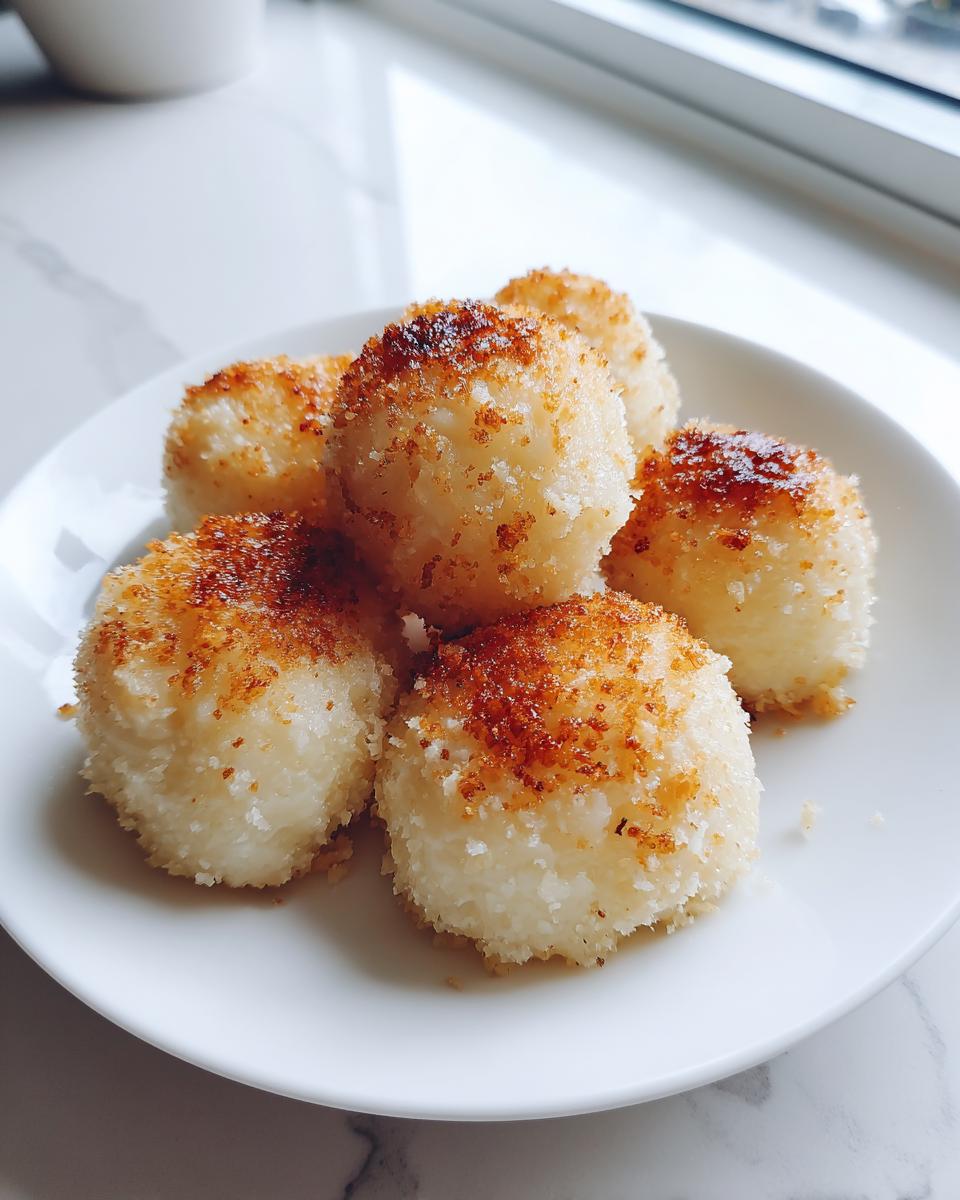
Now that you’ve made these lovely, pillowy spheres, the best part is deciding what to smother them in! Traditionally, these German potato dumplings are the perfect vehicle for rich sauces because they soak up all that glorious flavor. You really don’t want to eat them plain; they deserve a proper partner for dinner.
My absolute favorite way to serve them is alongside a slow-roasted piece of meat. Think Sauerbraten, or even just a simple roast pork shoulder. The gravy—oh, the gravy! You want something thick enough to coat the dumpling perfectly. If you’re looking for a recipe that brings that rich, savory element home, you have to try my Salisbury steak recipe; those thick mushroom and onion sauces are sensational spooned over the top.
If you’re keeping things vegetarian, don’t despair! Melted butter tossed with fresh parsley and a sprinkle of toasted breadcrumbs—the very same ones we used for coating—makes a fantastic, simple preparation. Another great classic pairing is with creamy mushroom sauces. They just scream cozy comfort food, don’t they?
Exploring Other Potato Dumplings: Polish Kopytka and More
While we are totally obsessed with achieving perfection with our German Kartoffelklöße, I really want you to see the whole world of delicious, **potato dumplings** out there! It’s neat how different cultures take the same basic ingredient—potatoes—and transform them into something unique. For instance, if you look toward Poland, you run into Kopytka.
Kopytka are usually diamond-shaped rather than round balls, and they tend to use a higher ratio of flour, making them less airy than the German version we just made. They are often treated more like a pasta and served with things like melted butter or a poppyseed topping, which is wild! Don’t forget about Scandinavian Klub, too; those are often denser and sometimes feature pork stuffed right in the middle!
Seeing these variations just proves how versatile this comfort food side dish can be. Trying out an easy dumpling recipe from another country is a fantastic way to level up your cooking confidence. If you want to check out the Kopytka recipe I mentioned, you can see a great example over at Everyday Healthy Recipes!
Storage and Reheating Instructions for Leftover Potato Dumplings
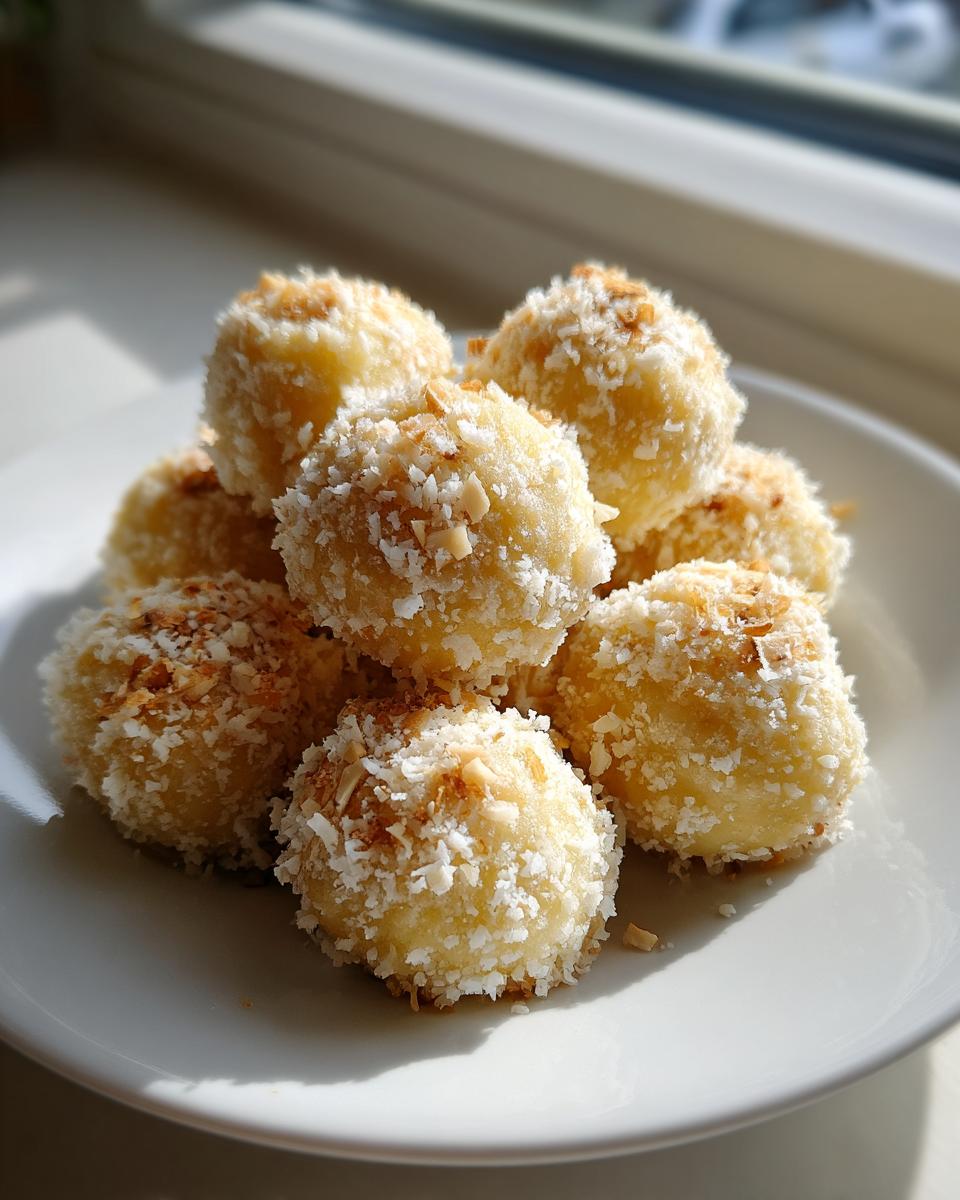
What’s better than having homemade potato dumplings the first night? Having them the second night! If you didn’t manage to eat them all—which, let’s be honest, never happens in my house—storing them is really straightforward, but you have to be gentle during reheating to keep that beautiful fluffy texture intact.
For short-term storage, just place them in an airtight container in the fridge for up to three days. They will firm up, which is completely normal. If you happen to have leftover mashed potatoes from another meal, you can absolutely turn those into small balls using the same technique, turning it into a quick leftover mashed potato recipe!
When it comes to freezing, which is great for busy weeks, line a baking sheet with parchment paper and flash-freeze the cooked dumplings individually. Once they are solid, transfer them to a freezer bag. They freeze beautifully for up to three months. You can check out some general ideas for using those leftovers here: Mashed Potato Dumplings on CDKitchen.
Reheating is key here, so ditch the microwave if you can! The best way to refresh them is to drop them back into simmering (not boiling!) salted water for just a minute or two until they plump up again. If you want a little extra crunch—and I always do—gently steam them first, then toss them quickly in a hot pan with a knob of butter until they get those crispy edges again. That bit of pan-frying wakes up all the flavors!
Frequently Asked Questions About Potato Dumplings
I know you might still have questions simmering after tackling this recipe! It’s totally normal when dealing with traditional recipes like this; we all want to make sure we get that perfect, hearty outcome every time. Don’t worry, that’s why I put together this quick FAQ to cover those last little details about making these amazing **potato dumplings**!
Can I use pre-made mashed potatoes for potato dumplings?
You absolutely can use leftover mashed potatoes, but here’s the catch: they need to be very cold and quite firm. If your mash is loose or still warm, it has too much moisture locked in, and you’ll end up adding way too much flour just to make a dough that holds its shape. Make sure that mash is stiff enough to have been refrigerated overnight, or let your fresh mash dry out completely before mixing in the egg!
What is the secret to making the Best Potato Dumplings?
If you want the absolute best potato dumplings, it all comes down to two things I hammered home earlier. First, use starchy potatoes (Russets) and rice them when they are warm. Second, treat that potato-flour mixture gently! You are aiming for a soft, tender dough, not a tough kneaded ball. If you mix too much, the gluten tightens up, and you lose the fluffy texture we love in these savory dumpling recipes.
Do I need to use a potato ricer for this Easy Dumpling Recipe?
While a ricer is my number one tool recommendation for this specific recipe, you don’t *technically* need one to make these easy dumpling recipes work. I really, really suggest it because it aerates the potato, which is what gives you that unbelievably light result when you boil them. If you don’t have one, just mash them until they look like baby food, then let them cool completely before moving on to flour!
Why do my Boiled Potato Dumplings fall apart?
This almost always points to the water temperature being too aggressive. If your water is at a rapid, rolling boil, the violent bubbling action physically tears the sides of the dumpling apart before the inside has a chance to set properly. For perfect **boiled potato dumplings**, reduce your heat so the water is just barely bubbling—a gentle, steady simmer is the sweet spot!
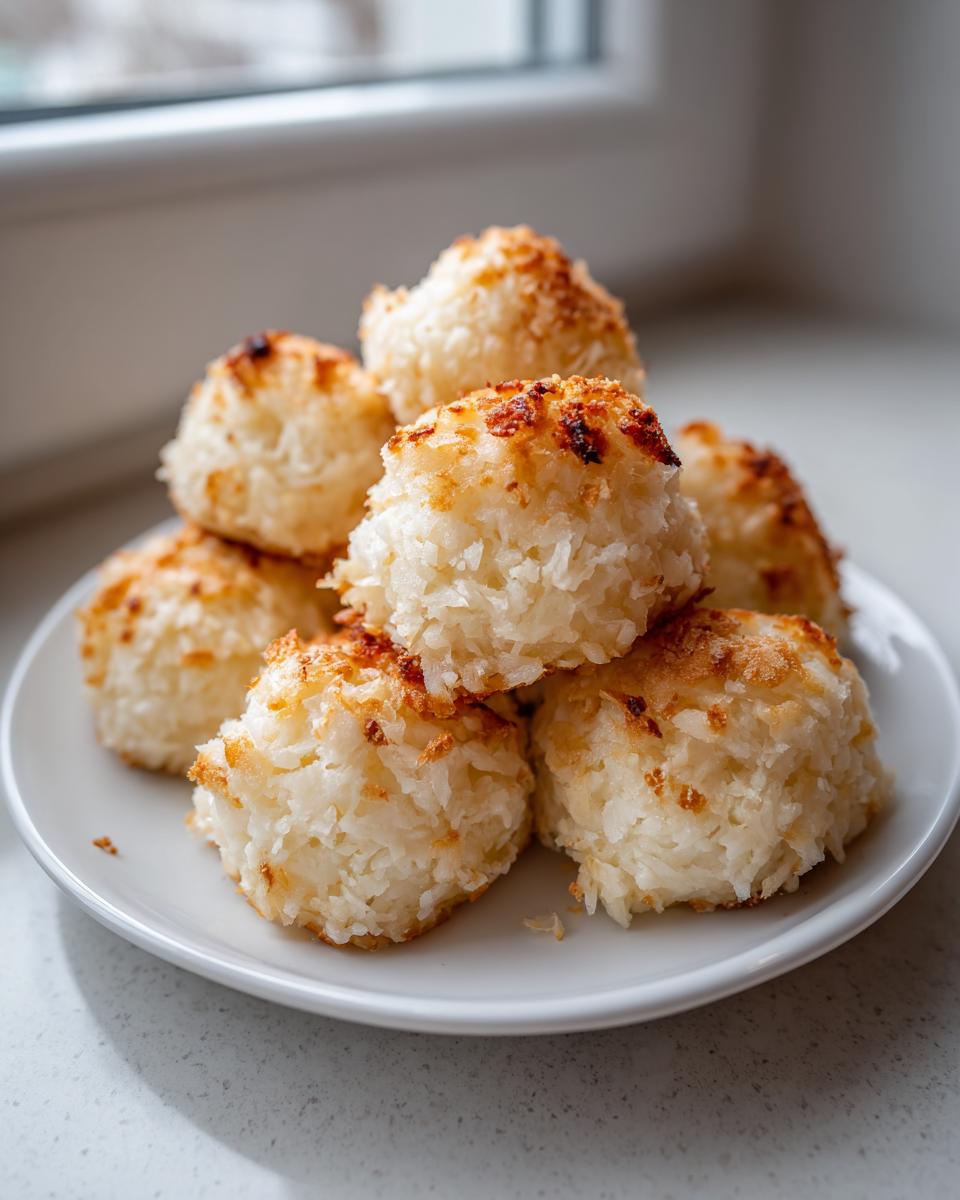
Share Your Homemade Potato Dumplings Experience
Whew! You did it! You tackled a traditional comfort food, and I bet your kitchen smells absolutely incredible right now. I truly hope these German potato dumplings bring that comforting, royalty-at-your-table feeling to your dinner tonight. This recipe has been a cornerstone in my own home for years, and I get so much joy knowing I’ve helped you bring it into yours!
Now, here is where you come in! I want to know everything. Did you serve them with gravy or just butter and herbs? How did your first batch of **potato dumplings** turn out? Please, don’t be shy! Head down to the comments below, drop a rating (five stars if they were fluffy!), and tell me how your family enjoyed them.
If you made these and snapped a picture—I’d absolutely adore seeing your handiwork! Tag me on social media so I can celebrate your success. Seeing you feel confident making these classic European dishes is exactly why I started Kings Cook. You can always learn more about my culinary journey over on my About Page! I can’t wait to hear all about your delicious results! Remember, keep practicing, and happy cooking!
PrintAuthentic German Potato Dumplings (Kartoffelklöße) Made Easy

You can make soft, fluffy German Potato Dumplings, or Kartoffelklöße, using this simple recipe. These are a hearty, traditional side dish perfect for serving with gravy or roast meats.
- Prep Time: 25 min
- Cook Time: 25 min
- Total Time: 50 min
- Yield: 4 servings 1x
- Category: Side Dish
- Method: Boiling
- Cuisine: German
- Diet: Vegetarian
Ingredients
- 2 lbs starchy potatoes (like Russet), peeled
- 1 cup all-purpose flour
- 1/2 cup fine dry breadcrumbs
- 1 large egg
- 1 teaspoon salt
- 1/4 teaspoon ground nutmeg
- 1 tablespoon butter (for toasting breadcrumbs)
Instructions
- Boil the peeled potatoes in salted water until they are completely tender. Drain them well and let them steam dry for about 10 minutes.
- While the potatoes cool slightly, melt the butter in a small pan over medium heat. Add the breadcrumbs and toast them, stirring constantly, until they are golden brown and crisp. Set aside.
- Mash the warm potatoes thoroughly until no lumps remain. You can use a potato ricer for the best texture. Let the mashed potatoes cool until they are just warm to the touch.
- In a large bowl, combine the mashed potatoes, egg, salt, and nutmeg. Mix gently.
- Gradually add the flour to the potato mixture. Mix just until a soft dough forms. Do not overmix, or your dumplings will be tough.
- Lightly flour your hands. Divide the dough into portions and roll each portion into a smooth ball, about 1.5 to 2 inches in diameter.
- Bring a large pot of salted water to a gentle simmer (do not boil rapidly). Carefully drop the potato dumplings into the simmering water.
- Cook the dumplings for about 15 to 20 minutes. They are done when they float to the surface and stay there for a few minutes.
- Use a slotted spoon to remove the cooked dumplings from the water.
- Gently toss the finished potato dumplings in the toasted breadcrumbs before serving immediately with your favorite gravy or sauce.
Notes
- For the fluffiest dumplings, use a potato ricer instead of a masher.
- If you have leftover mashed potatoes, you can use them, but make sure they are cold and firm before mixing in the other ingredients.
- To prevent sticking while shaping, keep a small bowl of flour nearby for dusting your hands.
Nutrition
- Serving Size: 3 dumplings
- Calories: 280
- Sugar: 1
- Sodium: 350
- Fat: 6
- Saturated Fat: 3
- Unsaturated Fat: 3
- Trans Fat: 0
- Carbohydrates: 50
- Fiber: 4
- Protein: 7
- Cholesterol: 45