

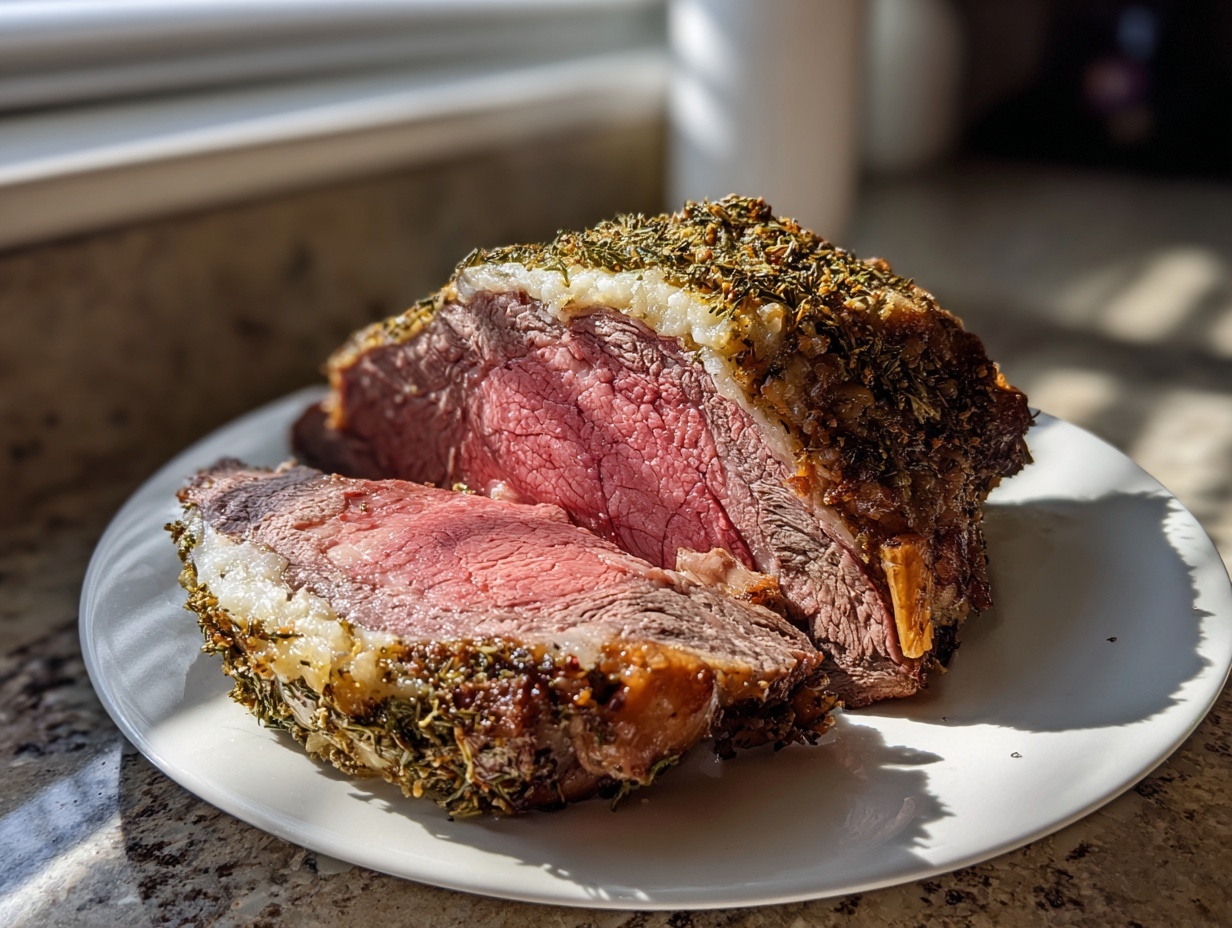
If you’ve ever stared down the meat department at the butcher counter, admiring that beautiful, massive cut of beef, and thought, “No way can I cook that perfectly for Christmas,” I’m here to tell you: yes, you absolutely can! Cooking a magnificent holiday centerpiece doesn’t have to be stressful or intimidating. That’s why I developed this foolproof oven-roasted rib roast method for Kings Cook. My goal is to take the guesswork out of making impressive dishes so you can feel like royalty at your own table. Trust me, after following these steps, you’ll master the art of the perfectly juicy, pink-in-the-middle roast every single time. I’ve included everything you need to feel confident serving this stunning ribeye roast recipe.
- Why This Oven-Roasted Rib Roast Guarantees a Show-Stopping Centerpiece
- Ingredients for Your Flavorful Rib Roast
- The **Best Way to Cook Rib Roast**: Step-by-Step Instructions
- Tips for a Perfect Rib Roast Every Time
- Serving Suggestions for Your Rib Roast Dinner
- Storage and Reheating Your Leftover Rib Roast
- Frequently Asked Questions About Cooking a Rib Roast
- Nutritional Estimates for This Rib Roast Recipe
- Share Your Rib Roast Success!
Why This Oven-Roasted Rib Roast Guarantees a Show-Stopping Centerpiece
I used to dread making a large roast. I remember one Thanksgiving when my standing rib roast turned out grey and dry on the outside and stubbornly raw near the bone—a total disaster for our special occasion beef dinner! That failure taught me that simply sticking it in the oven wasn’t enough. This recipe solves that problem because we use a two-step temperature attack. The initial blast of high heat creates that gorgeous, savory crust we all crave on our herb crusted rib roast. Then, we drop the heat way down to gently coax the center toward perfection, ensuring an incredibly juicy beef roast.
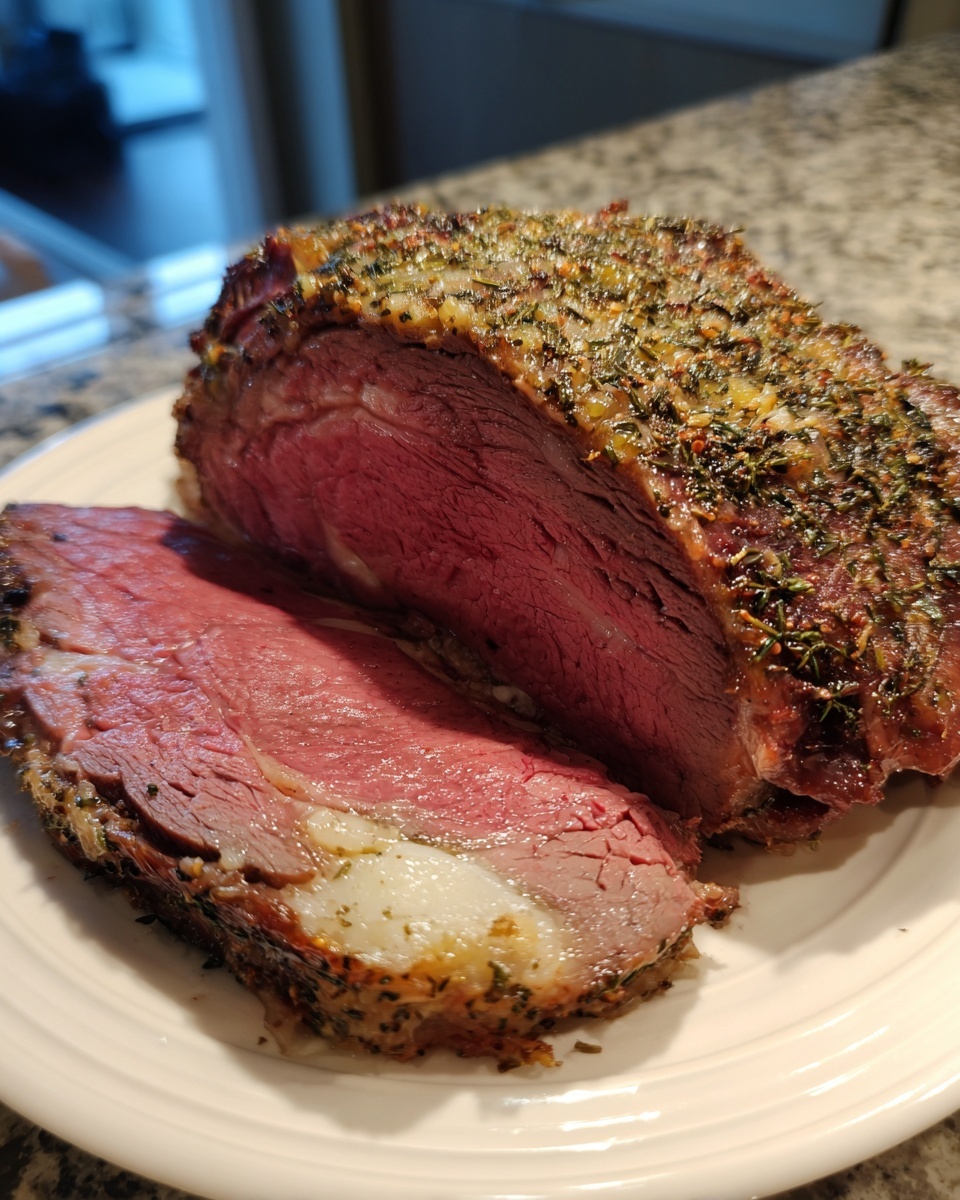
This method is the secret to consistent results when cooking an expensive cut like this. You get the textural contrast everyone loves: crunchy herbs on the outside and that deep, beautiful pink center. It’s the perfect pairing for a tangy homemade horseradish sauce!
Achieving the Perfect Medium Rare Rib Roast
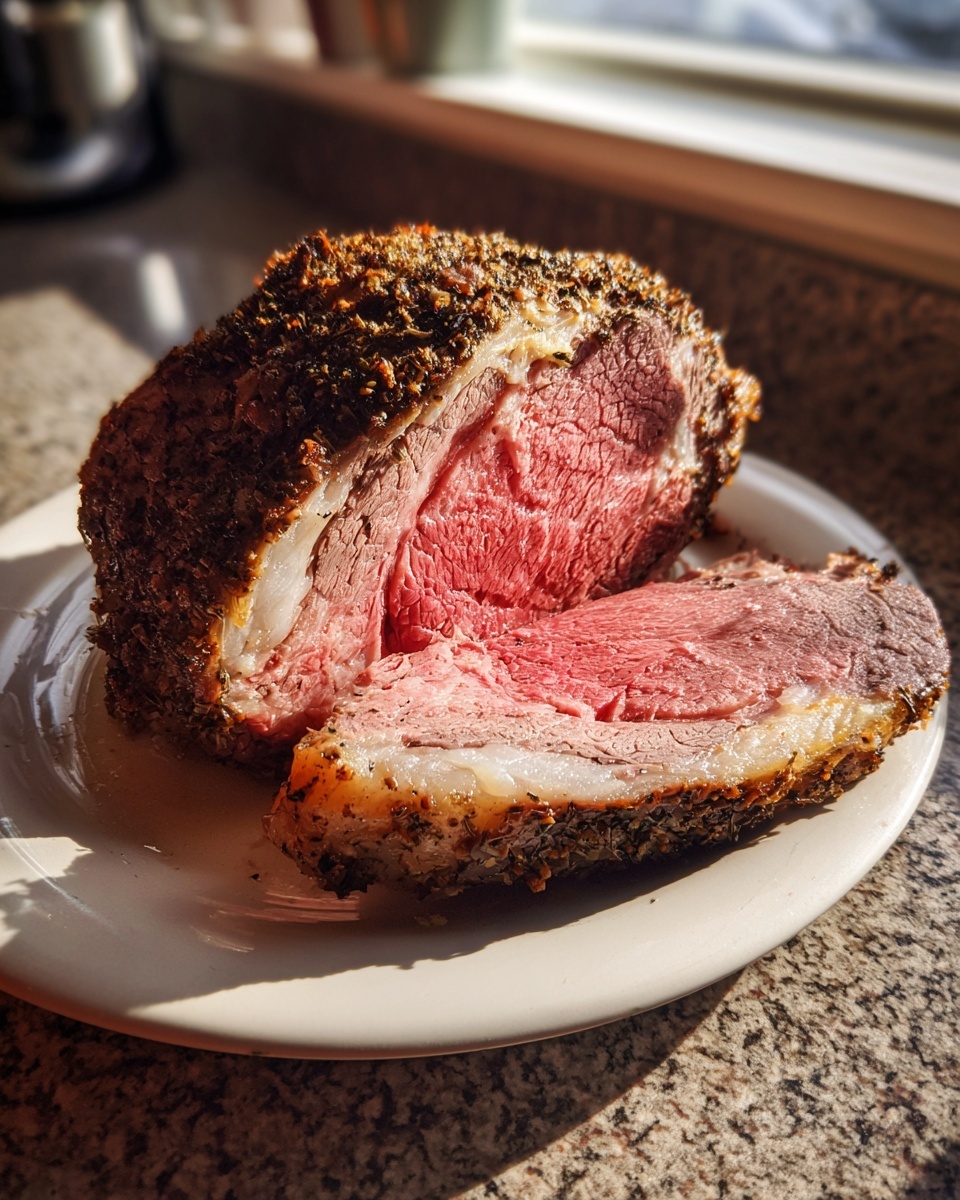
Temperature control is everything here. We pull the roast out of the oven when it hits 125°F, but please understand that resting is non-negotiable! During the 20-minute rest—don’t skip it, seriously—the internal temperature continues to climb by about 5 degrees due to carryover cooking. This guarantees you land right in that sweet spot for a perfect medium rare roast, which is simply the best way to enjoy prime rib.
Ingredients for Your Flavorful Rib Roast
Okay, let’s talk about what you need to gather for this masterpiece. Don’t worry, these ingredients are all stuff you can easily find at your local grocery store, which is my rule for all special occasion beef dinner recipes! Remember, the cut you choose matters a lot; I always tell folks to aim for a good 3 to 4 pounds per rib, and bone-in really helps this roast stay juicy.
For the rub, we need 3 tablespoons of kosher salt, 2 tablespoons of black pepper, 1 tablespoon each of dried thyme and dried rosemary, and 1 tablespoon of garlic powder. Then, we mix that with 6 minced cloves of garlic and half a cup of unsalted butter that you’ve let soften up nicely—you can’t rush softening butter, folks! Finally, grab 2 tablespoons of olive oil, and about 1 cup of beef broth to sit at the bottom of the pan for moisture.
The **Best Way to Cook Rib Roast**: Step-by-Step Instructions
Alright, this is where the magic happens! Don’t let the size of the rib roast scare you; these standing rib roast cooking instructions are designed to be straightforward, even if you usually stick to simpler dishes. Remember that crucial first step? Take the meat out of the fridge a good 2 to 3 hours before you even think about putting it in the oven. This tempering time helps ensure you get that even cook we talked about. Once tempered, pat that roast completely dry with paper towels; a dry surface is the secret to that amazing crust! This method always gives me confidence when tackling a big roast chicken and vegetables recipe, too.
Preparing the Herb Crusted Rib Roast
Now it’s time to make the flavor hug for your beef! In a small bowl, combine all your softened butter and all those seasonings: salt, pepper, thyme, rosemary, and garlic powder. Smash in those 6 minced garlic cloves and mix until it’s one gorgeous, fragrant paste. Don’t be shy; really get in there and gently massage this garlic herb butter all over the entire surface of the roast. Seriously, get it into every nook and cranny; this is how you lock in that amazing flavor before it hits the heat.
**Standing Rib Roast Cooking Instructions**: Searing and Roasting
Once your roast is coated, place it fat-side up on a V-rack in your pan. If your roast is bone-in, tie those bones back underneath tightly with twine—this keeps the heat distribution steady. Preheat your oven to a screaming hot 450 degrees Fahrenheit. Blast the roast in that hot oven for exactly 15 minutes; this initial sear is key for developing that depth of flavor. Immediately after that, drop the oven temperature way down to 325 degrees Fahrenheit. Pour about a cup of beef broth into the bottom of the pan—this keeps things steamy and delicious, creating drippings that are perfect for making gravy! This two-stage temperature plan is the key to perfect oven roasted beef time and time again. For more inspiration on robust cooking methods, you can always check out what the pros do, like following along with a Gordon Ramsay recipe.
Resting and Carving Your Rib Roast
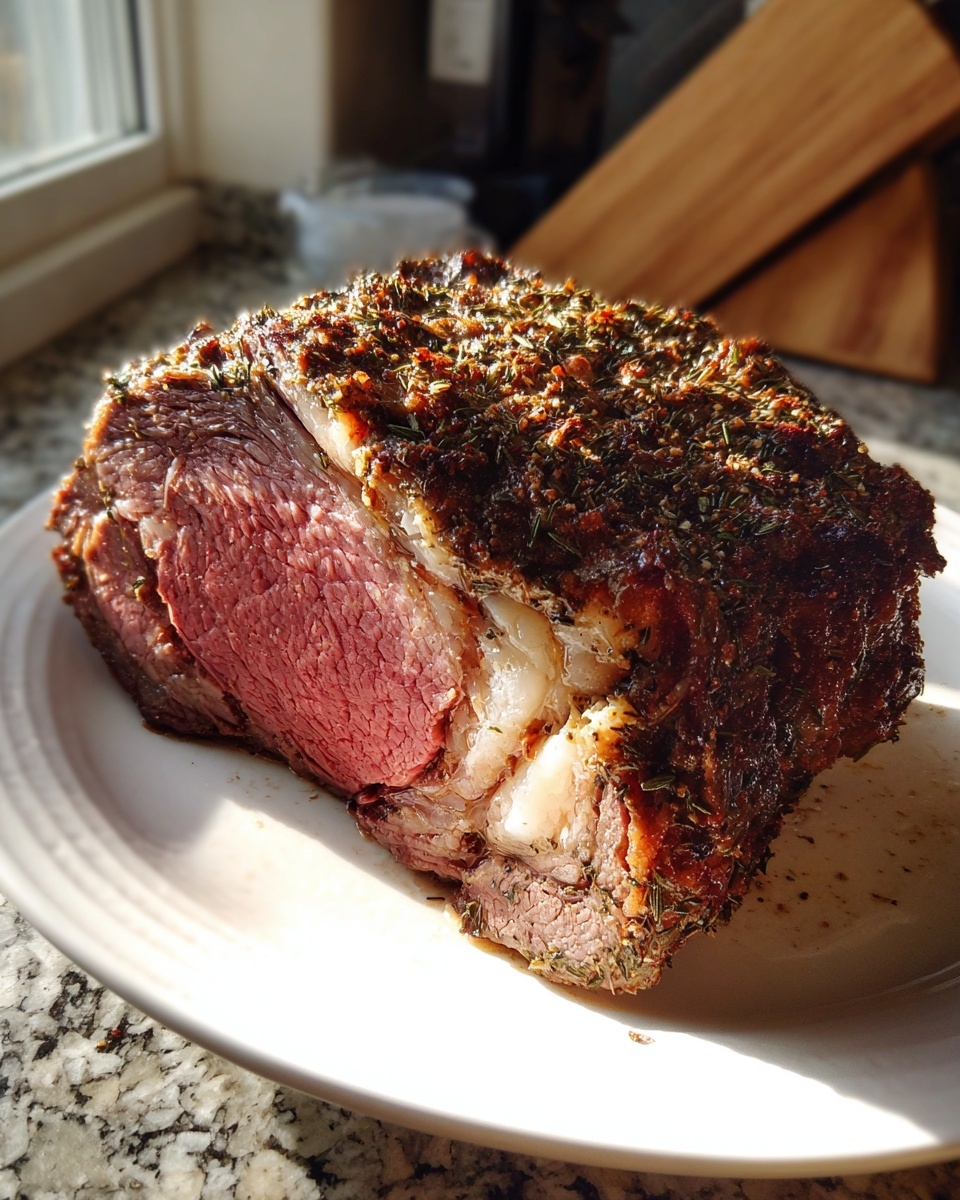
When your meat thermometer reads the magic number—remember, 125°F for medium-rare—you must pull it out! Tent that beauty loosely with foil and walk away. I know it’s hard when the house smells amazing, but that 20-minute rest is vital because it lets those hard-working juices settle back into the muscle fibers. If you cut early, all that moisture runs out onto your cutting board! When you finally carve, slice the meat between the bones first, then slice against the grain for the most tender pieces. These pieces are fantastic served alongside some rich garlic herb roasted potatoes.
Tips for a Perfect Rib Roast Every Time
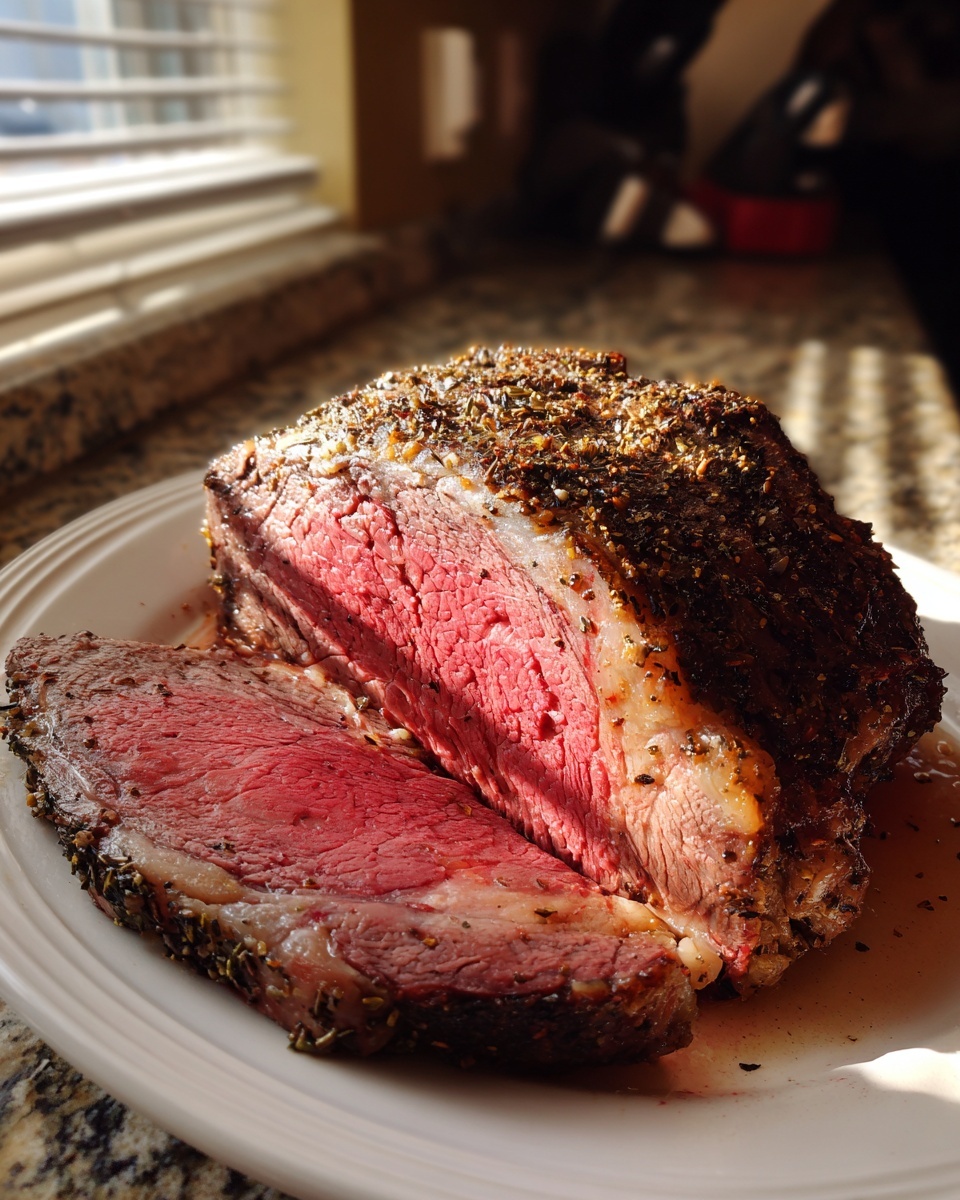
Even with a great recipe, a spectacular rib roast sometimes needs a little extra love from the cook! My big tip, which I learned the hard way, is about the cut itself. If you can swing it, definitely go bone-in! Those bones act like natural insulation, helping your roast cook more evenly. If you’re buying a huge cut—say, five or six ribs—don’t be afraid to use that low-and-slow method mentioned in the notes; it prevents that dreaded grey band from forming. But honestly, the single most important tool isn’t fancy; it’s a reliable meat thermometer. Guessing the final temperature is a recipe for disappointment, especially with such a splurge of meat. You need to know exactly when to pull it!
If you want to explore more high-end cuts like a perfectly seared ribeye steak recipe, you’ll rely on the same thermometer trust, which is essential for nailing that perfect internal temperature. For more amazing foolproof techniques, check out this detailed guide on roasting prime rib!
Serving Suggestions for Your Rib Roast Dinner
A magnificent roast like this demands side dishes that can genuinely keep up! Since this is a true special occasion beef dinner, we need classic accompaniments that feel festive but don’t steal the show. You absolutely can’t go wrong with a huge bowl of my impossibly fluffy creamy mashed potatoes—they are perfect for soaking up those rich pan drippings!
I also love to pair the richness of the meat with something green and bright. Roasted asparagus tossed simply with lemon zest or some honey-glazed carrots work beautifully. Keep the sides elegant, easy, and let that incredible rib roast do the heavy lifting! That’s all you need for a truly memorable meal.
Storage and Reheating Your Leftover Rib Roast
The great news is that leftover prime rib is arguably even better the next day! Once your roast has cooled completely, slice up what you plan to use soon and store it in an airtight container in the fridge. It keeps really well for about three to four days, which means you get another fantastic meal without any extra kitchen stress. This cuts down on waste, which I love.
When you reheat those gorgeous leftovers, the key is low and slow heat to keep them moist. I recommend setting your oven to a very gentle 250°F. Place your slices in a shallow baking dish, pour just a little bit of beef broth or any leftover au jus over them—not enough to swim, just to create steam—and cover the dish tightly with foil. It only takes about 10 to 15 minutes to warm through perfectly, making for an amazing leftover sandwich or quick dinner.
Frequently Asked Questions About Cooking a Rib Roast
What temperature should my rib roast be when I pull it out of the oven?
This is my favorite question because it shows you’re serious about getting that perfect medium rare roast! For medium-rare, you want to remove the roast when your probe thermometer reads between 125°F and 130°F. If you aim for 125°F, the carryover cooking during the rest period will bring it right up to that perfect 130–132°F sweet spot. If you prefer medium, you might pull it 5 degrees warmer. If you are ever unsure about matching the visual doneness to the number, I put together a full roast beef temperature guide to help you visualize the results!
Do I absolutely have to use a V-rack in my roasting pan?
No, you certainly don’t! If you don’t have a V-rack, don’t panic—that’s often what happens when you’re getting ready for a big holiday roast centerpiece! The V-rack just keeps the meat slightly elevated so the hot air circulates all around the rib roast, which helps it brown evenly and prevents the bottom from overcooking in its own juices. If you don’t have one, you can create a makeshift rack using thick chunks of root vegetables like carrots, or even use two layer of balled-up aluminum foil placed lengthwise under the meat. Just make sure the roast isn’t sitting directly on the bottom of the pan!
Is it okay to skip resting the prime rib roast?
Oh gosh, please don’t skip the rest! I know it’s tempting after hours of cooking, especially when everyone is hungry and waiting for that prime rib roast recipe to finally be ready to cut. But resting is truly one of the most important steps for a juicy beef roast. When you cook meat, the muscle fibers tighten up, forcing all the internal moisture right toward the center. If you slice it immediately, all those fantastic juices spill out onto your carving board. Resting allows those fibers to relax and redistribute the juices evenly throughout the meat. Aim for 20 minutes, covered loosely with foil to stay warm. This tip alone will make you feel like a culinary hero!
Can I use a cross rib roast instead of a standing rib roast?
That’s a great adaptation question! Yes, a cross rib roast (which is often sold as an untied ribeye roast) works beautifully with this method. Because the cross rib roast often doesn’t have the bones attached, it tends to cook a little faster than a bone-in standing rib roast. Because of this, I highly recommend using that low-and-slow approach if your roast is large, or just watch your thermometer extra closely. You might find that an initial sear at 450°F followed by a long roast at 275°F works wonders to guarantee you get that edge-to-edge pink doneness everyone dreams about. For more on getting a beautiful oven roast, check out these oven roasted beef tips!
Nutritional Estimates for This Rib Roast Recipe
Now, I know some of you are tracking macros, and others are just curious about what’s in this incredible centerpiece. Since this recipe is based on rich beef cuts and butter, it definitely leans towards being hearty—as it should for a celebratory holiday roast centerpiece! Keep in mind that every single cut of meat varies widely in fat content, so these numbers are just estimates based on the recipe as written.
For a standard serving size of about 6 ounces cooked weight, here is what you can generally expect from this prime rib roast recipe:
- Calories: Around 450 per serving
- Protein: A whopping 40 grams! This roast is a powerhouse.
- Fat: About 30 grams total, with 12 grams coming from saturated fat.
- Carbohydrates and Sugar: You’ll be happy to know this recipe has virtually zero carbs or sugar in the roast itself, making it perfect for low-carb diets.
- Cholesterol: Approximately 140 mg
This information is based on calculating the ingredients listed here. If you use leaner cuts or skip adding as much of the wonderful garlic butter rub, those numbers will change! But honestly, when you’re making a magnificent rib roast for a special meal, savoring the richness is part of the joy, right?
Share Your Rib Roast Success!
Whew! We made it through the whole process of creating this incredible rib roast. Now it’s your turn to take the wheel! I truly want to know how it turned out for you, whether it was the star of your Christmas dinner or just a fantastic Sunday feast. Did you nail that perfect medium-rare temperature on the first try? I sure hope so! Your feedback helps other home cooks who might be feeling intimidated by large roasts.
Please take a moment to leave a star rating right below this post—it means the world to me here at Kings Cook and helps me know which recipes to keep perfecting. If you struggled with one of the steps, or if you came up with a brilliant little trick for your next prime rib roast, drop a question or a comment in the box below. I read every single one and I’m always here to help troubleshoot or just cheer you on!
If you enjoyed the confidence this recipe gave you in the kitchen, I’d love for you to explore more of what we’re doing here at the blog. You can always learn more about my mission to make home cooking joyful on my About Page. Happy cooking, and I can’t wait to hear all about your spectacular oven roasted beef!
PrintFoolproof Oven-Roasted Prime Rib Roast with Garlic Herb Crust
Make a show-stopping standing rib roast centerpiece for your next special occasion. This recipe guarantees a juicy, tender prime rib with a flavorful garlic herb crust using a simple oven method.
- Prep Time: 20 min
- Cook Time: 1 hr 45 min
- Total Time: 2 hr 5 min
- Yield: 6 servings 1x
- Category: Main Course
- Method: Oven Roasting
- Cuisine: American
- Diet: Low Fat
Ingredients
- 1 standing rib roast (3–4 lbs per rib, bone-in recommended)
- 3 tablespoons kosher salt
- 2 tablespoons black pepper
- 1 tablespoon dried thyme
- 1 tablespoon dried rosemary
- 1 tablespoon garlic powder
- 6 cloves garlic, minced
- 1/2 cup unsalted butter, softened
- 2 tablespoons olive oil
- 1 cup beef broth (for pan)
Instructions
- Remove the rib roast from the refrigerator 2 to 3 hours before cooking to allow it to come closer to room temperature. Pat the entire surface dry with paper towels.
- Prepare the herb rub: In a small bowl, combine the softened butter, minced garlic, thyme, rosemary, garlic powder, salt, and pepper. Mix until you have a uniform paste.
- Spread the garlic herb butter evenly over the entire surface of the roast, working it into all crevices.
- Place the roast, fat-side up, in a roasting pan fitted with a V-rack. If using a bone-in roast, tuck the bones back under the roast and tie them securely with kitchen twine to keep them close to the meat.
- Preheat your oven to 450 degrees Fahrenheit. Place the roasting pan in the hot oven and sear the roast for 15 minutes.
- Reduce the oven temperature to 325 degrees Fahrenheit. Add the beef broth to the bottom of the roasting pan (not directly on the meat).
- Continue roasting until the internal temperature reaches your desired doneness. Use a reliable meat thermometer inserted into the thickest part of the meat, avoiding bone. For medium-rare, aim for 125 to 130 degrees Fahrenheit.
- Remove the roast from the oven when it reaches 5 degrees below your target temperature. Tent it loosely with foil and let it rest on the counter for at least 20 minutes before carving. The temperature will rise during this rest period.
- Carve the prime rib roast between the bones and serve immediately.
Notes
- For the juiciest results, always use a meat thermometer to check the internal temperature. Do not rely solely on cooking time.
- If you are cooking a very large ribeye roast, consider starting with a lower oven temperature (250 degrees Fahrenheit) after the initial sear for more even cooking.
- Resting the roast is crucial; this allows the juices to redistribute, resulting in a more tender and moist final product.
Nutrition
- Serving Size: 6 oz cooked
- Calories: 450
- Sugar: 0
- Sodium: 450
- Fat: 30
- Saturated Fat: 12
- Unsaturated Fat: 18
- Trans Fat: 0
- Carbohydrates: 0
- Fiber: 0
- Protein: 40
- Cholesterol: 140