

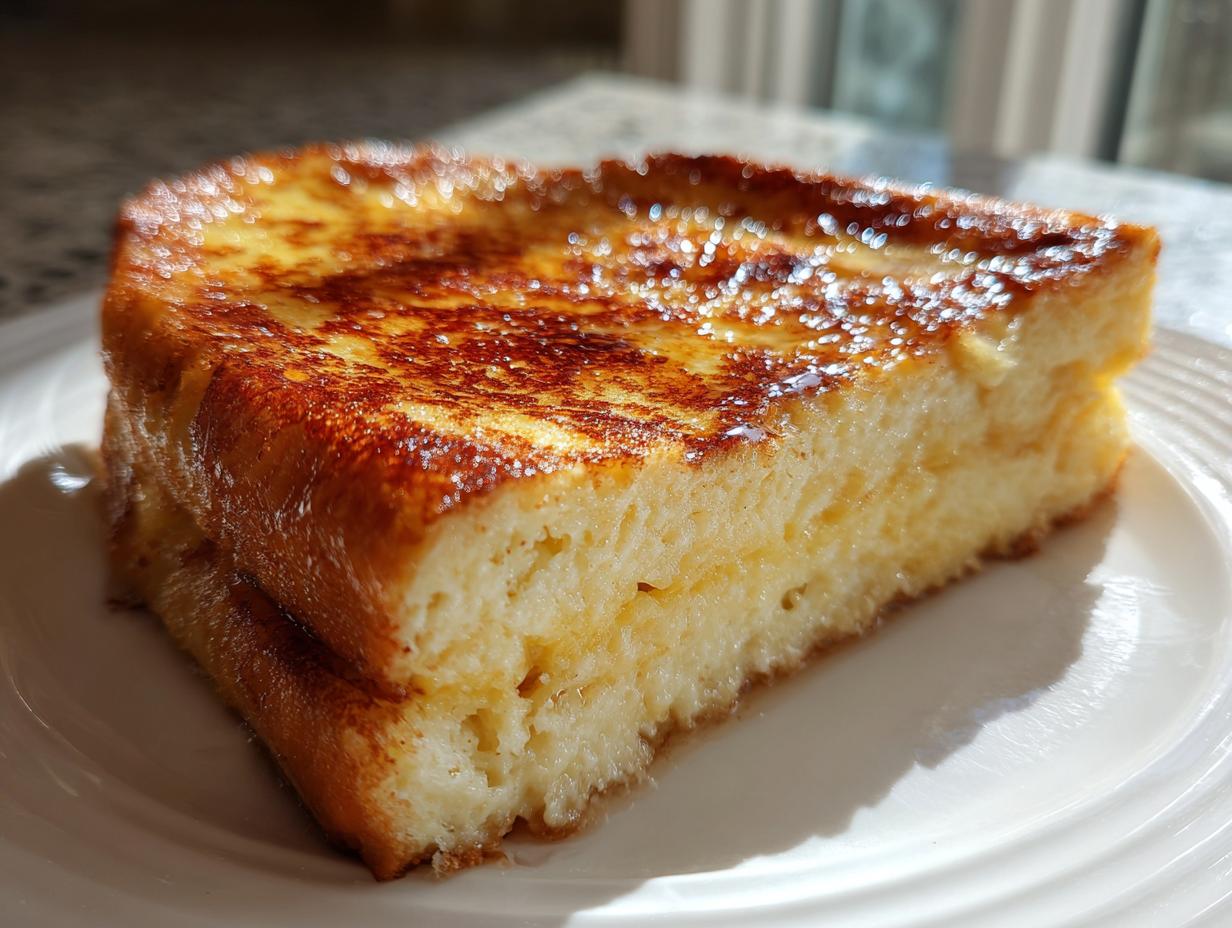
Mornings are chaotic enough, right? Between getting everyone out the door and just trying to find your coffee mug, the last thing you want is a breakfast recipe that demands way too much time standing over the stove. But you still crave that perfect, comforting plate of French toast. Well, stop searching, because I’ve cracked the code! This isn’t just another recipe; this is *the* easiest, most reliable technique for achieving seriously **easy french toast** that comes out fluffy on the inside and perfectly golden brown on the outside every single time. Seriously, we’re talking a perfect breakfast in under 20 minutes. I spent way too many mornings wrestling with soggy bread before I locked down this simple method, and now I trust it implicitly for any weekend brunch recipes simple gathering. Happy mornings start here!
- Why This Is Your Go-To Easy French Toast Recipe
- Ingredients for Classic French Toast Batter
- Mastering the Classic French Toast Batter
- How to Make French Toast Perfectly Every Time
- Custardy French Toast Tips and Troubleshooting
- Serving Suggestions for Your Easy French Toast
- Storage and Reheating Easy French Toast Leftovers
- Frequently Asked Questions about Easy French Toast
- Estimated Nutrition for This Simple French Toast
- Share Your Easy French Toast Morning
Why This Is Your Go-To Easy French Toast Recipe
This recipe isn’t complicated; it’s just smart. I know you’re looking for something fast that won’t let you down right before the family starts asking where breakfast is. That’s exactly what we built here.
- It’s a true **quick french toast recipe**, delivering amazing results in **french toast in under 20 minutes** total.
- You only need a handful of basic pantry staples—no exotic trips to the specialty store required.
- It’s reliable. If you follow the batter rules, you get that perfect result every time.
Speed and Simplicity for Busy Mornings
Total time is only 20 minutes! That’s faster than waiting in line at the drive-through, honestly. This makes whipping up **easy morning meals** a total breeze, even when you only have about 15 minutes before work or school starts.
Achieving that Perfect Fluffy French Toast Texture
The secret weapon here is balancing the soak time. You want the bread to drink up the sweet egg mixture without dissolving into mush. Just a quick dip on each side gives you the perfect interior—that lovely soft, **custardy french toast tips** texture we all chase—while the outside gets beautifully crisp and golden.
Ingredients for Classic French Toast Batter
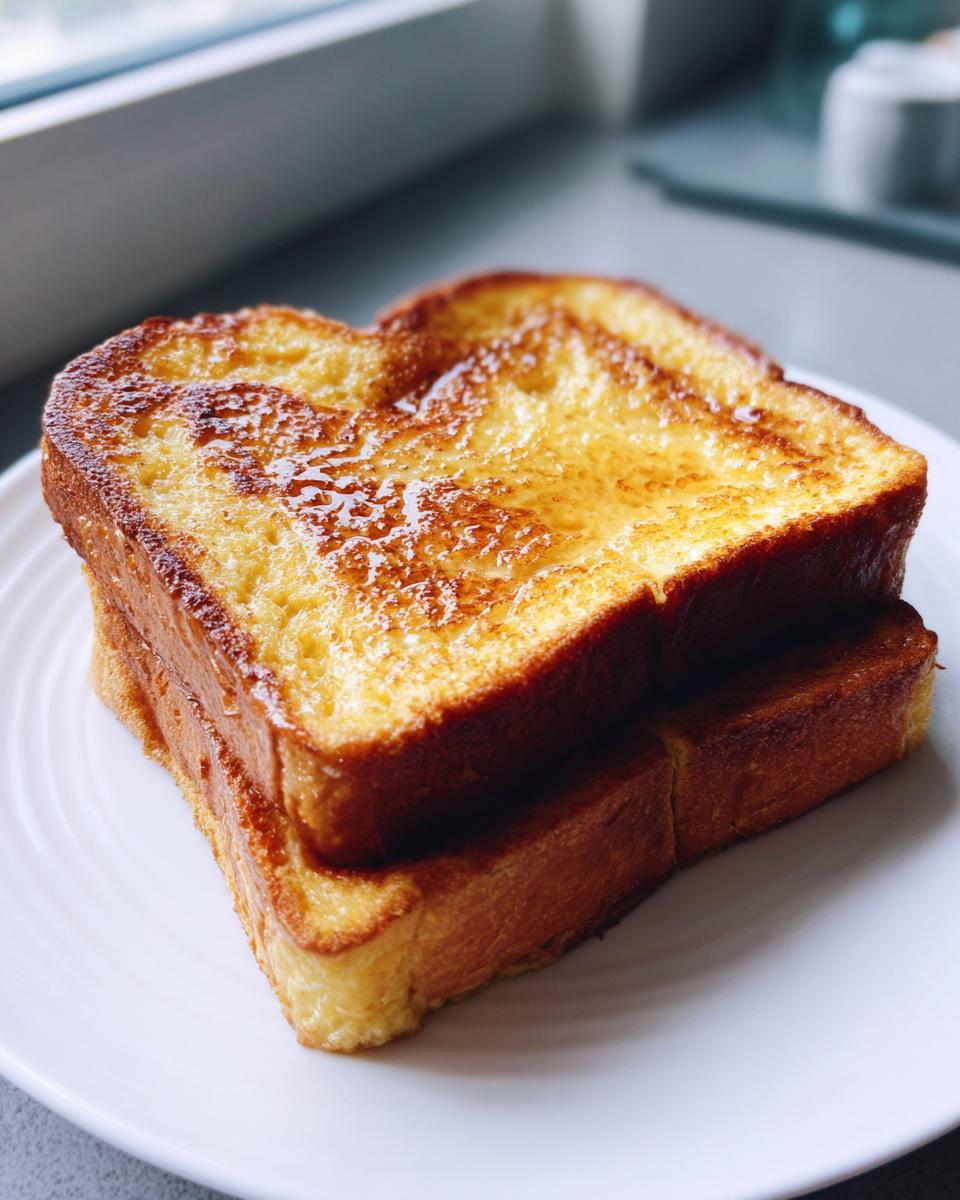
Okay, let’s talk about what goes into this magic potion. We’re keeping things super simple here, but those few ingredients have to be spot-on! We’re using 6 big eggs and whole milk—and trust me, using whole milk instead of skim really gives you that foundational richness you need for a great texture. Don’t forget the vanilla and cinnamon; they are non-negotiables for that classic taste. If you want to check out my favorite pancake recipe for another morning, you can grab those details right here.
Bread Choice Matters for **Easy French Toast**
You absolutely cannot skimp on the bread here. If you use thin, soft sandwich bread, it’s just going to turn to soup in the batter, and that defeats the entire purpose of making **easy french toast**! I swear by thick-cut brioche or challah because they are sturdy enough to absorb the soak without falling apart. I also have a great trick: if your bread is super fresh, just leave the slices out on the counter for an hour before you start. A little bit of day-old or slightly dry bread grabs that sweet custard mix so much better. It’s such a simple hack!
Mastering the Classic French Toast Batter
Alright, now that we have our sturdy bread ready, it’s time for the main event: mixing up that liquid gold we call the batter. This step is where a lot of beginners mess up, but I’m going to show you my foolproof method. You just need a shallow dish—something wide enough that you can lay a slice of bread flat without folding it awkwardly. Whisk the eggs and milk until they look uniform, but here’s my pro tip for building trust: you need to whisk longer than you think! If you stop too soon, you end up with those ugly white streaks of unmixed egg white on your beautiful toast. We want smooth sailing here!
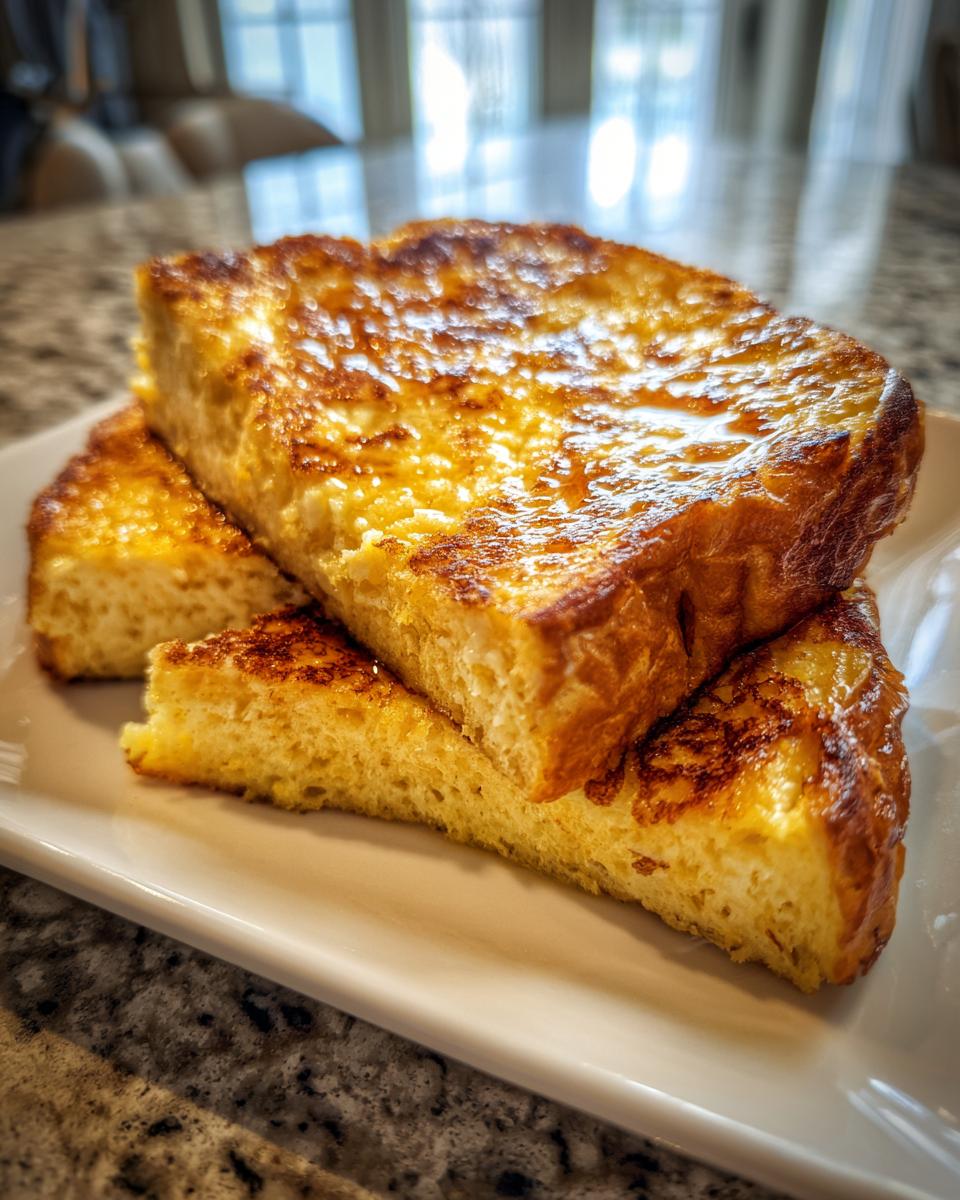
Seriously, take an extra minute and make sure those eggs are totally incorporated into the milk. You can check out some other great basic techniques over at Wholesome Cove if you’re feeling extra adventurous later, but for now, focus right here.
**Simple French Toast** Flavor Boosters (Cinnamon and Vanilla)
While we are whisking away those streaks, we toss in the flavoring agents. I use a full teaspoon of vanilla extract because I love that warm, sweet aroma that hits you when the toast hits the hot pan. Don’t be shy with the cinnamon either—half a teaspoon sounds small, but it gives you that incredible, cozy scent that makes this feel like a **delicious yet easy brunch** treat instead of just basic fried bread.
And please, don’t skip the salt! A tiny pinch of salt is essential. It doesn’t make the toast taste salty, but it wakes up all the sweet spices and makes the overall flavor pop. Trust me on this one; salt is the secret handshake for all **simple french toast** recipes.
How to Make French Toast Perfectly Every Time
This is where the magic happens, but it’s also where we keep things really fast! We’re only talking about 3 to 4 minutes per side for that beautiful color. But before we get to the skillet, we need to talk about soaking. If you’ve ever ended up with toast that’s either dry in the middle or completely falling apart, you were rushing the dip. I wish I could tell you there was a way to speed this up, but bread needs a second to absorb the goodness!
The Crucial Soaking Time for Easy French Toast
For this recipe, which aims for that wonderful **custardy french toast tips** interior, dip each slice into the batter for a gentle 15 to 20 seconds per side. That’s it! I know it sounds quick, but that’s the sweet spot for thick bread. Any less, and you just have soggy bread on the outside with dry spots inside. Any more, and you’ve got a custard soup that won’t hold its shape when you transfer it to the pan. Quick dip, even flip, and move it right along.
Cooking for Golden Brown French Toast
Heat management is everything for achieving that perfect finish. You absolutely need a medium heat setting—if you crank it up to high, the outside burns before the inside ever sets properly, meaning you don’t get the melt-in-your-mouth center. Use plenty of butter in your skillet; don’t use oil if you can avoid it, because the butter flavor is what makes this taste so truly homemade. Watch the edges first; when they start turning that deep amber color, it’s time to flip to get that gorgeous **golden brown french toast** crust on the other side. If you want more pointers on getting everything just right, check out these French toast tips.
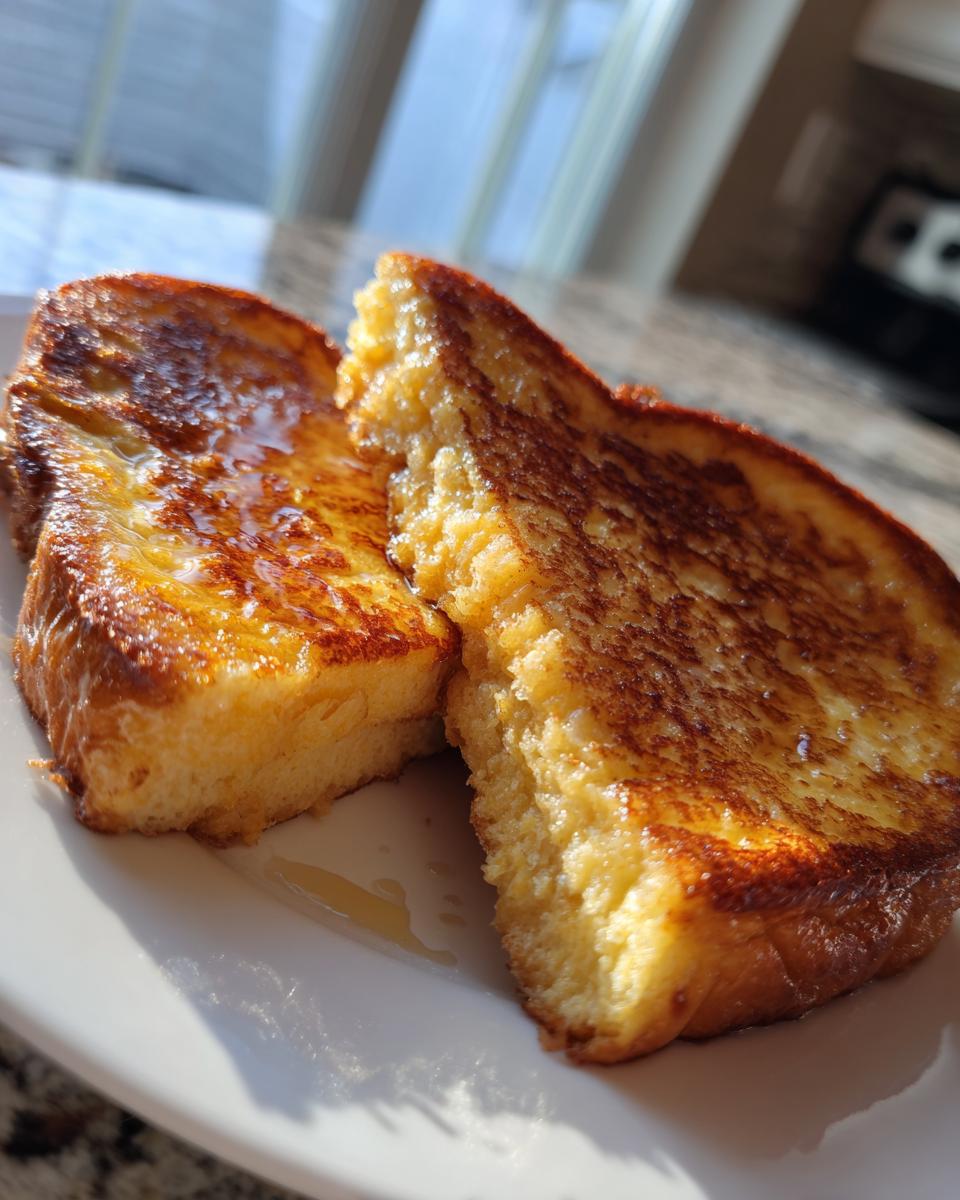
Remember to keep the finished pieces warm somewhere while you tackle the next batch, adding a fresh knob of butter to the pan because the first batch always gobbles up what you put in!
Custardy French Toast Tips and Troubleshooting
Sometimes, even with the best recipe, breakfast throws you a curveball! Don’t worry, I’ve figured out how to rescue those little hiccups. When you’re aiming for that ridiculously **custardy french toast tips** result, sometimes you need an extra little nudge.
If you find your egg mixture too thin even with the right amount of milk, swap some of that milk out! My favorite move, especially when I have time for a proper weekend brunch, is using half-and-half instead of regular milk. It just bumps up the fat content beautifully, which equals a richer, almost pudding-like interior. This is a fantastic way to elevate any of your simple breakfast recipes.
Another thing I’ve learned the hard way is what to do if you used bread that was *too* fresh—it just dissolves! If your slices start looking a little ragged during the soak, that means they are saturated. Quickly pull them out! For the next batch, just use a faster dip time. You should still be able to find some fantastic tips on avoiding issues by checking out the pros over at Modern Honey, too.
And a quick note on heat: if your French toast is browning too fast on the outside, but looks pale and liquid inside, your pan is way too hot. Pull it down to medium-low for a few minutes to let that heat even out before putting the next slices on. Patience pays off for perfect texture!
Serving Suggestions for Your Easy French Toast
We did the hard part—making the perfect **easy french toast**! Now we make it special without adding more fuss. When I serve this for **family breakfast ideas easy** meals, I like to keep the toppings simple but colorful. Of course, a big pitcher of real maple syrup is a must; don’t even think about the artificial stuff!
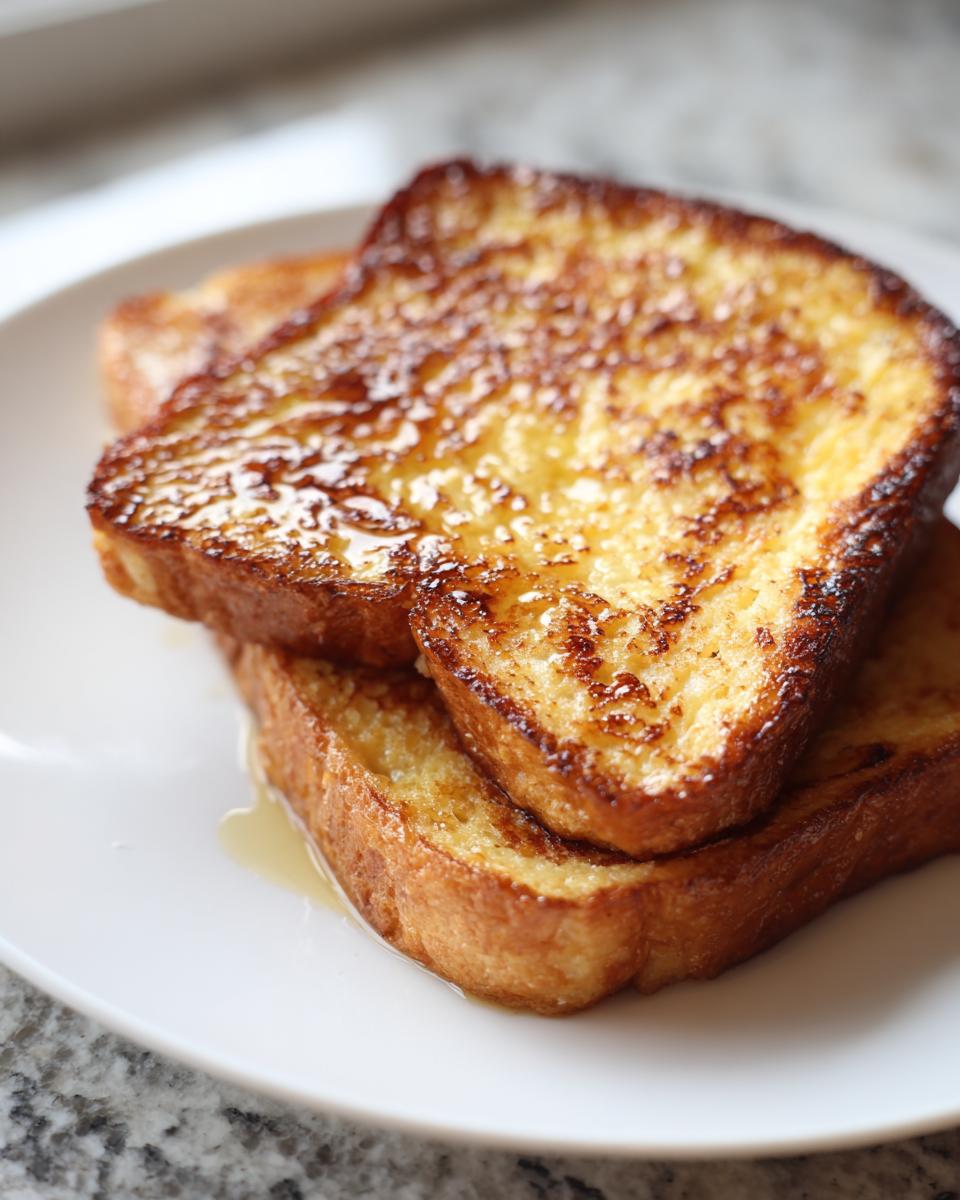
A light dusting of powdered sugar makes it look incredible instantly, like we spent hours on it. I usually throw some sliced bananas or fresh berries on the side so everyone can customize their own plate. If you’re looking to add another sweet element to the spread, maybe try my apple cinnamon muffins on the side next time you host brunch!
Storage and Reheating Easy French Toast Leftovers
The best part about whipping up a big batch of this **easy french toast**? You might actually have leftovers! And trust me, properly stored leftovers beat making toast from scratch on a frantic Tuesday morning.
When I know I’ll have extra, I let the slices cool completely on a wire rack first. Don’t stack them while they are warm! If you stack them hot, the steam gets trapped, and you end up with soggy toast when you reheat it, which is the absolute worst.
Once they are totally cool, I stack them between layers of parchment paper—just like you would separate delicate cookies—and tuck the whole stack into an airtight container. They keep perfectly fine in the fridge for three days. This way, you have a delicious, nearly **homemade french toast** ready to go whenever you need a grab-and-go breakfast!
Now, how to reheat them? You have options, but one option is strictly off-limits: the microwave. Microwaving French toast is a crime against breakfast; it just turns into rubbery mush, defeating all our efforts to get that lovely crisp exterior.
For the best results, use your toaster oven or a regular toaster if the slices fit, or use a dry skillet over medium heat. If you use the skillet, just heat them for maybe two minutes per side until they are warmed through and you get a little bit of that crispness back. That little bit of extra effort brings back that **golden brown french toast** texture like they were just made!
Frequently Asked Questions about Easy French Toast
Can I use regular sandwich bread for this easy french toast?
Oh, you totally *can*, but I really have to push you towards thicker slices. If you use standard thin sandwich bread, it soaks up the egg mixture way too fast—like, instantly—and you end up with sad, soggy bread mush instead of toast. For **french toast for beginners**, stick to something sturdy like Texas toast or brioche if you can find it. That thickness gives you time during the soak to get flavor deep inside without the whole slice dissolving on you!
How long can the **classic french toast batter** last?
Look, for the absolute best results, you want to use this mixture immediately. The moment the eggs and milk sit together, things start changing, and you risk losing that perfect consistency for the **classic french toast batter**. However, if you absolutely must, you can cover it tightly and keep it in the fridge for up to 24 hours. Just give it a really vigorous whisk before you use it again! But honestly, making **simple french toast** takes five minutes, so prepping the batter ahead isn’t usually worth the risk to the texture.
What is the secret to making **fluffy french toast instructions** work?
It really comes down to two things we covered, but they are worth repeating! First, don’t over-whisk the eggs and milk. You want them *just* combined—a few tiny white streaks are fine, because that just means you aren’t developing any weird gluten structure. Second, control your heat! You must use medium heat. This lets that liquid inside gently cook into the custard without scorching the outside into hard charcoal. Those steps work together to give you that fluffy, soft interior you’re looking for!
Estimated Nutrition for This Simple French Toast
Okay, so let’s talk numbers for a second. I know most of us aren’t doing calorie counts when we’re making a mountain of delicious breakfast for the family, but sometimes it’s just good to know what you’re working with! This is for two slices of our simple french toast, using the base ingredients we listed.
Remember, this is just an estimate based on my bread choice and whole milk in the batter. If you use brioche instead of challah, or skip the butter when cooking, those numbers—especially the fat content—are going to shift around. I always tell people to treat these figures as a fun ballpark, not a rigid requirement!
- Serving Size: 2 slices
- Calories: 280
- Fat: 13g (Hopefully most of that is from that delicious butter we cooked it in!)
- Carbohydrates: 28g
- Protein: 14g
We do have about 8 grams of sugar, which comes mostly from the milk and the tiny bit of sweetness we need in the batter. Isn’t it great that for such a **delicious yet easy brunch** item, you get a solid 14 grams of protein? That should keep everyone powered up until lunch! Just always remember that these are estimates, so your actual results will vary depending on the thickness of your bread and how much syrup you drizzle on top!
Share Your Easy French Toast Morning
Whew! That’s seriously all it takes to make a breakfast everyone raves about. I truly hope this **easy french toast** changes your busy mornings for the better. Now I want to hear all about it!
If you whipped up a batch, please take a moment to scroll back up and give this recipe a proper 5-star rating. That feedback helps other busy folks find this simple method, which is what it’s all about!
And don’t just leave without telling me your biggest breakfast indulgence! What’s your favorite topping? Are you a pure maple syrup purist, or do you pile on the fresh whipped cream? Drop a comment below with your favorite serving style. If you have any last-minute questions about the batter or the cooking time, this is the place to ask. I’m always happy to chat kitchen tips!
If you ever need a hand or want to send me an email about something more in-depth, you can always reach out through my contact page. Happy cooking!
PrintQuick and Easy Fluffy French Toast

Prepare classic, fluffy French toast with a simple batter in under 20 minutes. This recipe yields a custardy interior and golden exterior, perfect for a fast breakfast or family brunch.
- Prep Time: 5 min
- Cook Time: 15 min
- Total Time: 20 min
- Yield: 4 servings 1x
- Category: Breakfast
- Method: Pan-Frying
- Cuisine: American
- Diet: Vegetarian
Ingredients
- 6 large eggs
- 1/2 cup milk (whole milk recommended for best texture)
- 1 teaspoon vanilla extract
- 1/2 teaspoon ground cinnamon
- 1/4 teaspoon salt
- 8 slices thick bread (such as challah or brioche)
- 2 tablespoons butter, for cooking
Instructions
- In a shallow dish, whisk together the eggs, milk, vanilla extract, cinnamon, and salt until fully combined. This creates your classic french toast batter.
- Heat a large skillet or griddle over medium heat. Add half of the butter and let it melt until it sizzles slightly.
- Dip one slice of bread into the egg mixture, allowing it to soak for about 15 to 20 seconds per side. Do not over-soak if you prefer a less custardy result.
- Place the soaked bread onto the hot skillet. Cook for 3 to 4 minutes per side, until the French toast is golden brown and cooked through.
- Remove the cooked slice and keep it warm while you cook the remaining slices, adding more butter to the skillet as needed.
- Serve immediately with maple syrup and your choice of toppings.
Notes
- For a richer, custardy french toast, use half-and-half instead of milk.
- If your bread is very fresh, let it sit out for an hour to dry slightly; this helps it absorb the batter without getting soggy.
- To achieve golden brown french toast, maintain a steady medium heat; if the pan is too hot, the outside will burn before the inside cooks.
Nutrition
- Serving Size: 2 slices
- Calories: 280
- Sugar: 8
- Sodium: 350
- Fat: 13
- Saturated Fat: 6
- Unsaturated Fat: 7
- Trans Fat: 0.5
- Carbohydrates: 28
- Fiber: 1
- Protein: 14
- Cholesterol: 180