
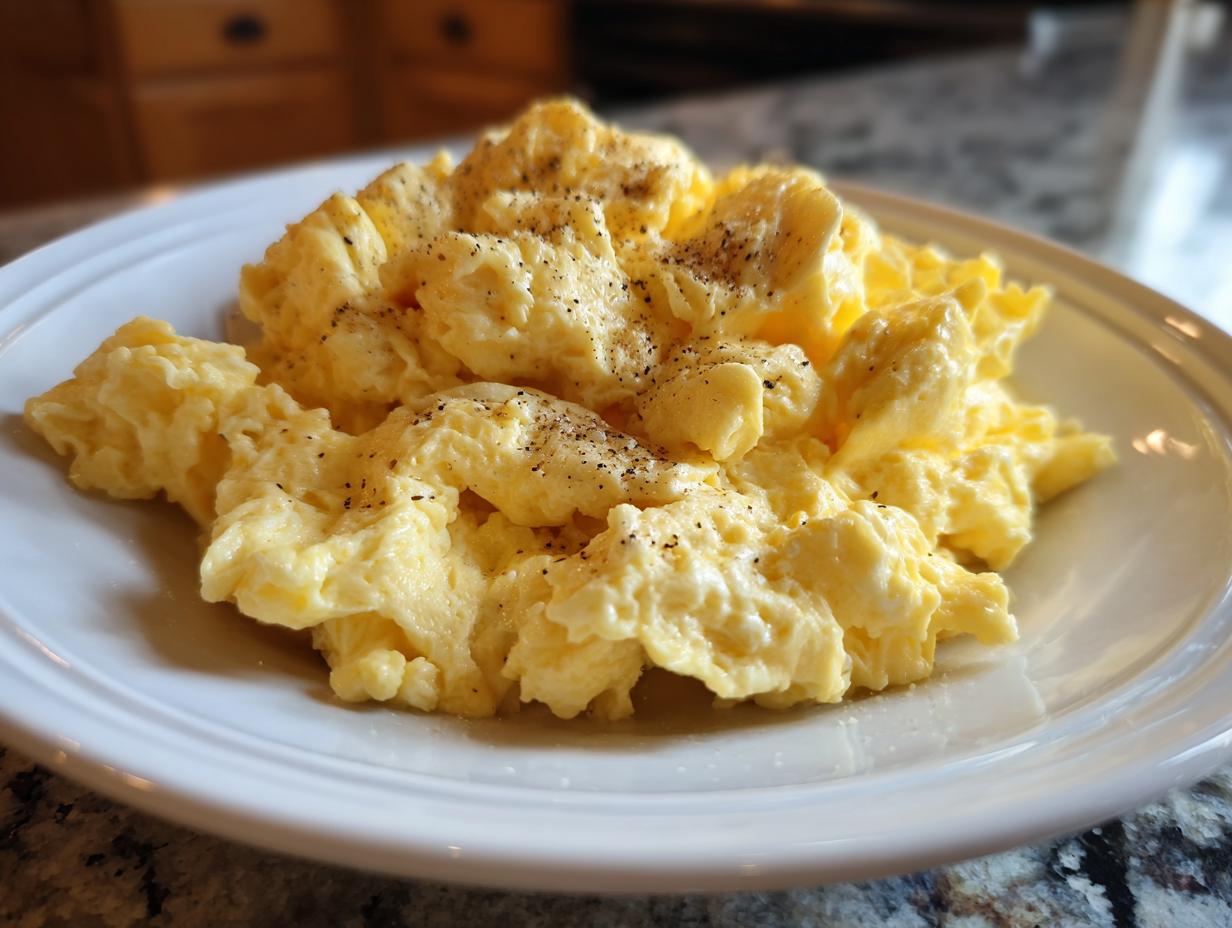
Oh, friend, let’s talk about the heartbreak of a rubbery scramble. We’ve all been there, haven’t we? You crack the eggs, you rush the pan because you’re hungry, and what do you end up with? Texture that belongs in a shoe instead of on your breakfast plate. It’s such a letdown when you’re craving that perfect comfort food.
But listen to me: you deserve better than tough eggs! My promise to you, here at Kings Cook, is that every recipe I share is rigorously tested until it’s foolproof, and these scrambled eggs are proof of that. Forget everything you thought you knew about heat; we are diving deep into the magic of the low-and-slow method to bring you the best creamy and fluffy scrambled eggs you’ll ever make. This is restaurant quality breakfast at home, and it is so much easier than you think!
- Why This Creamy and Fluffy Scrambled Eggs Recipe Works
- Gather Your Ingredients for Perfect Scrambled Eggs
- Step-by-Step Instructions for Silky Smooth Eggs Tutorial
- Tips for Success Making Restaurant Quality Breakfast at Home
- Ingredient Notes and Substitutions for Creamy Egg Breakfast Ideas
- Serving Suggestions for Your Scrambled Eggs
- Storage and Reheating Instructions for Leftover Scrambled Eggs
- Frequently Asked Questions About Scrambled Eggs
- Share Your Perfect Scrambled Eggs Creations
Why This Creamy and Fluffy Scrambled Eggs Recipe Works
The real secret to dreamy, cloud-like eggs isn’t a fancy ingredient—it’s all about patience and heat control! Most people rush, thinking high heat equals faster results. Nope! High heat shocks the protein and squeezes out every bit of moisture, leaving you with those stiff, tough curds we hate. That’s why we focus on the Fluffy Scrambled Eggs Techniques that encourage tenderness.
My method utilizes medium-low heat, which lets the milk solids and fats gently thicken the eggs without seizing up. This is how we achieve that luscious, velvety egg mouthfeel. Trust me, this approach takes an extra few minutes, but that small investment guarantees you the perfect texture eggs every single time. You’ll get those gorgeous, soft, creamy bites that taste like they came straight from a gourmet brunch spot. If you’re curious about other tried-and-true methods for achieving this magic, check out some insights on making incredible fluffy and creamy scrambled eggs!
Gather Your Ingredients for Perfect Scrambled Eggs
Okay, gathering your supplies is the fun part! This recipe is built on using simple, high-quality items, which is what always makes the difference, even in quick meals. For this batch, you are going to need six large eggs—don’t skimp on size here! We beef up the flavor and richness by adding three tablespoons of heavy cream. If you only have whole milk, it’ll work, but the cream is what gives us that luxurious texture.
You absolutely must use real, unsalted butter. Melted butter adds incredible flavor to these buttery scrambled eggs. Finally, grab your fine sea salt and pepper. We add the salt right at the beginning with the liquid, which helps them incorporate smoothly before the cooking even starts.
Optional Upgrades for Your Scrambled Eggs
If you want to seriously bump up the flavor or protein, I always keep these options in my back pocket for a weekend brunch. For a fantastic Cheesy Scrambled Eggs Upgrade, toss in about a half cup of good sharp cheddar right at the very end when they look glossy. Or, if you want protein and creaminess combined, swap that heavy cream out for some small-curd cottage cheese to make delicious Protein Packed Cottage Cheese Eggs!
Step-by-Step Instructions for Silky Smooth Eggs Tutorial
Alright, time to get messy! This is where we turn liquid gold into those amazing, soft curds. First things first, gently whisk your eggs, cream, and salt together in a bowl. And I mean *gently*. You aren’t making meringue here; we want the yolks and whites just visiting each other, not getting best friends. Too much air makes them fluffy but sometimes dry, and we are aiming for that silky smooth eggs tutorial finish!
Next, get your non-stick skillet—I cannot stress this enough, a good non-stick pan is your best friend for these scrambled eggs—and put it over medium-low heat. Pop in your butter and let it melt until it’s just foamy. Now, pour in the egg mix. Let it sit for just about 30 seconds until the edges look like they’re thinking about setting up.
This is the main action of the Low and Slow Egg Cooking Method: using a silicone spatula—seriously, use silicone, it hugs the pan bottom perfectly—gently push the cooked part from the sides towards the middle. Tilt the pan so the raw eggs flow right into those empty spots. Keep doing this. You’re essentially folding the eggs over on themselves, slowly, gently. If you’re interested in another great technique for tender eggs, you should check out my guide on how to make the perfect omelette!
Continue stirring and folding every few seconds. If you feel like the eggs are cooking too fast, just yank the pan right off the burner for ten seconds, give it a stir, and put it back. Don’t worry if this feels slow; this is what keeps them creamy! For more tips on getting those perfect light results, I often refer back to great resources like this one on getting truly fluffy scrambled eggs.
Mastering the Pan Temperature for Fluffy Scrambled Eggs Techniques
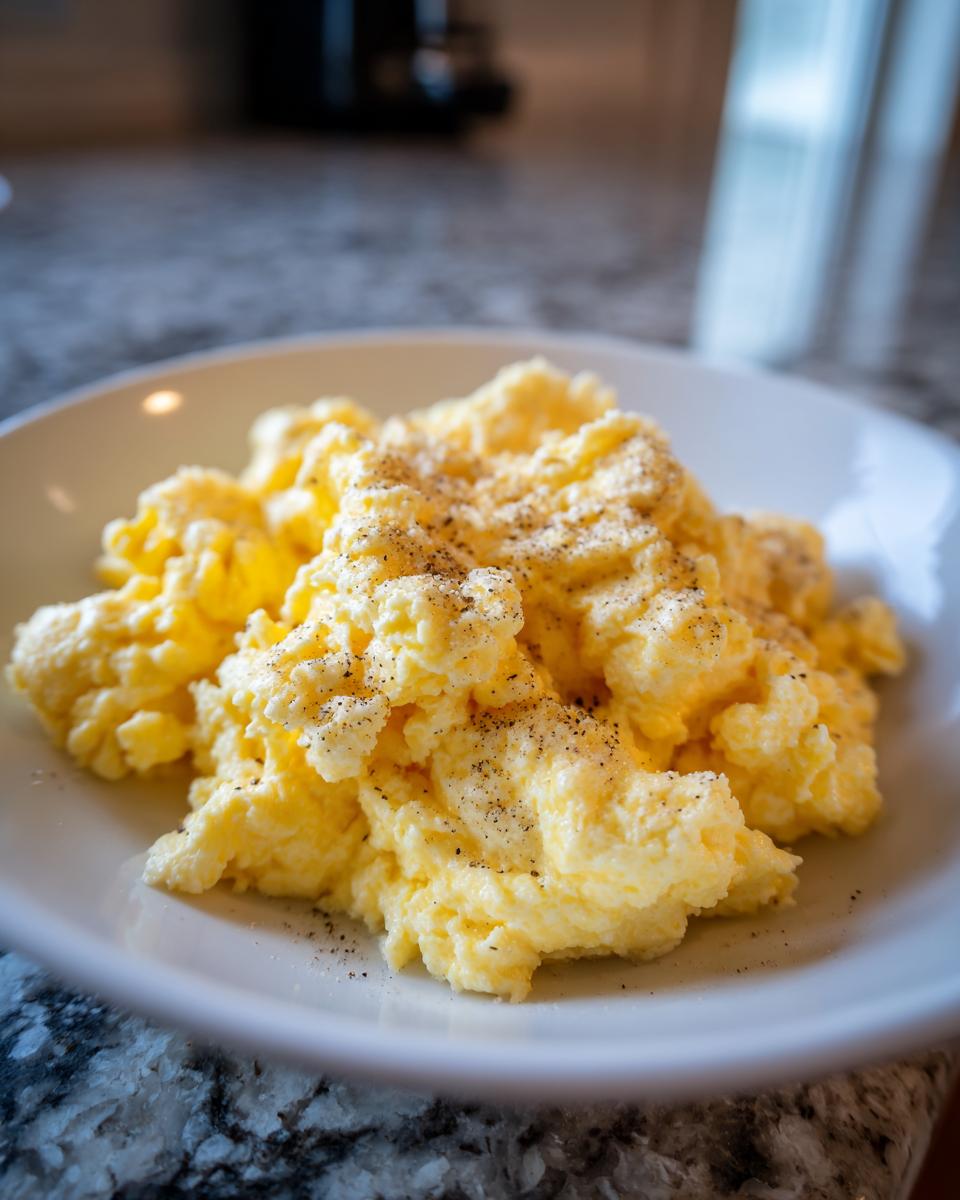
Heat control is non-negotiable if you want velvety egg curds. Keep it at medium-low, and be ready to intervene! I stir almost constantly once the edges start to set, but the key is intermittent cooking. If you see the mixture bubbling rapidly, that’s a panic sign! Pull the pan completely away from the heat source for 15 seconds while stirring vigorously. This prevents them from overcooking on the bottom layer. This constant management ensures the curds are small, soft, and unbelievably moist.
Tips for Success Making Restaurant Quality Breakfast at Home
You’ve got the texture almost perfect, but here are a few little tricks that take these scrambled eggs from “good” to “I can’t believe I made this!” The biggest secret, which some famous chefs swear by, is constant, gentle agitation on very low heat. This means removing the pan from the burner every 15 seconds or so, stirring hard, and then putting it back on. It’s tedious, but it creates those incredibly fine, small curds that feel like silk in your mouth. This is the ultimate method if you are aiming for restaurant quality breakfast at home. You can find some inspiration on mastering that exact technique right here: chef style scrambled eggs secrets!
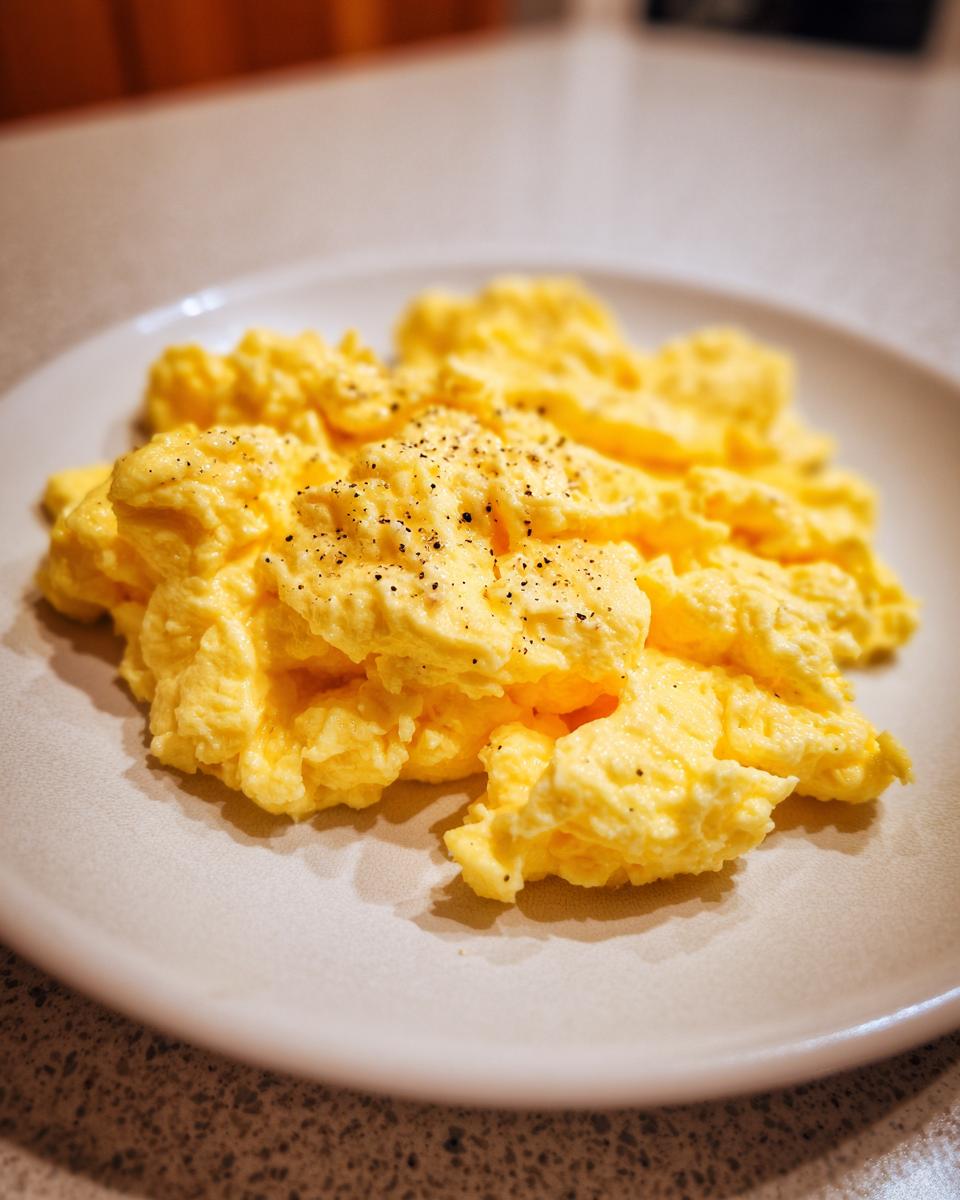
Also, remember that eggs continue cooking after they leave the stove. That’s crucial for the best way to cook scrambled eggs! When they look a little bit wetter than you think they should—maybe slightly glossy—pull them off immediately. Serve them right away, too. Seriously, don’t let them sit in the pan while you answer one text message. The moment they cool down a bit on the plate is when they set into their final, perfect form!
Ingredient Notes and Substitutions for Creamy Egg Breakfast Ideas
Let’s talk ingredients for a minute because even simple substitutions can change everything when it comes to achieving that perfect texture for your creamy egg breakfast ideas. The heavy cream versus milk debate is real! If you end up replacing the cream with regular milk, your eggs will still be good, but they won’t have that same velvety, rich mouthfeel. The fat content in the cream is essential for that luxurious texture.
When should you add the salt? I add mine right at the beginning with the cream. Some people swear by adding it at the very end, but I find that salting early opens up the egg proteins slightly, which helps them cook evenly. Also, don’t be shy with the butter! One tablespoon is non-negotiable; it’s the vehicle for flavor and heat distribution. If you’re out of butter, a little bit of neutral oil will work in a pinch, but you lose that distinct, lovely browned flavor.
Serving Suggestions for Your Scrambled Eggs
These scrambled eggs are amazing all by themselves, but for a real weekend brunch experience, you need a sidekick! Because these curds are so rich and buttery, sometimes all you need is a piece of perfectly toasted bread to soak up any extra goodness. I really love pairing them with a slice of homemade bread, like my recipe for fluffy focaccia—it feels so rustic and wonderful.
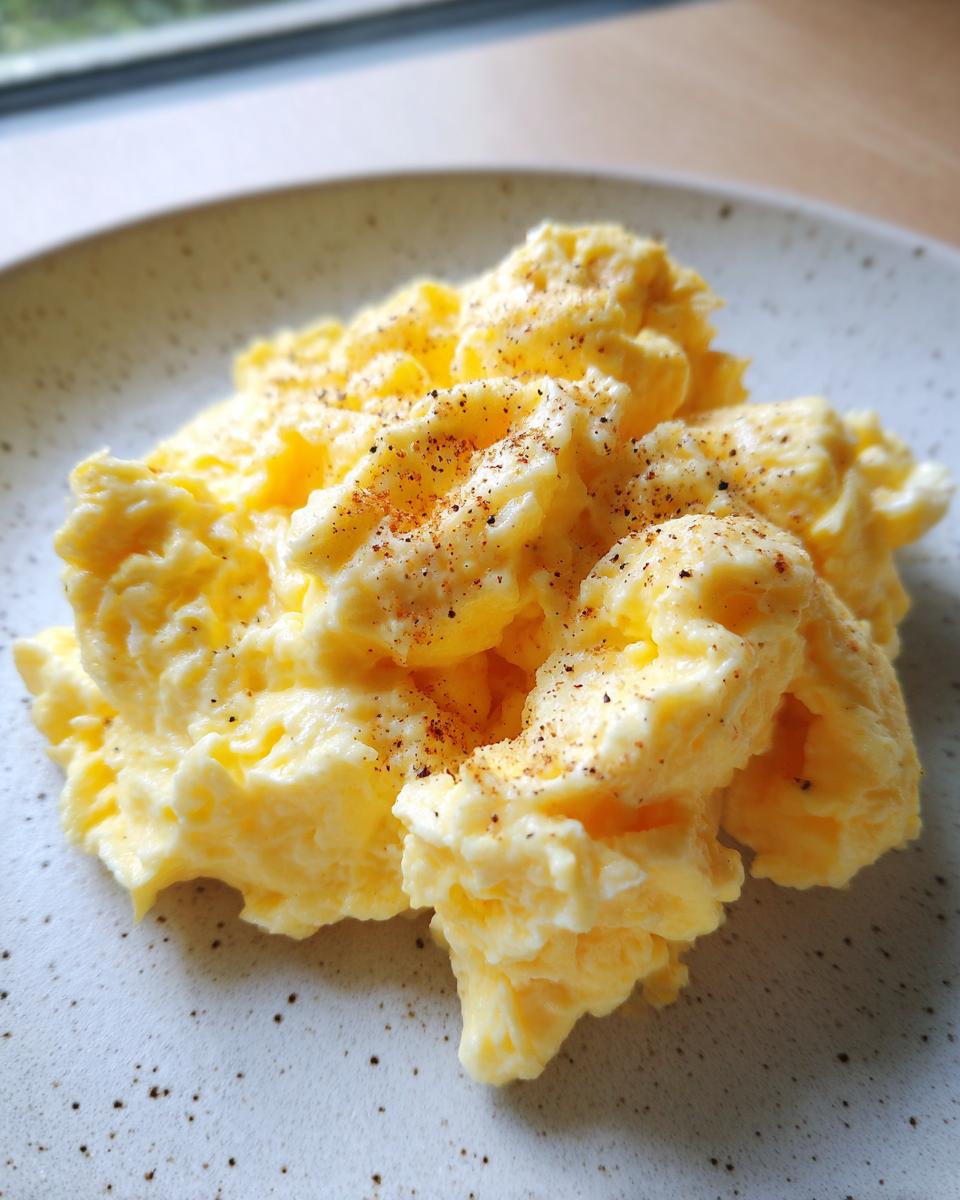
If you’re going for a fuller meal, keep it simple. A side of fresh avocado or some bright, juicy cherry tomatoes cut through the richness beautifully. Don’t forget a little black pepper right on top just before serving—it really wakes up the butter flavor!
Storage and Reheating Instructions for Leftover Scrambled Eggs
Okay, full disclosure: the absolute, number one best way to enjoy these scrambled eggs is fresh off the heat. That creamy dream texture is so delicate, and it really doesn’t like to hang around! But if you do have leftovers—maybe you made extra for the kids later—you need to act fast.
Pop them into an airtight container and get them into the fridge quickly. When you want to reheat them, remember the enemy is high heat! Use very low heat on the stovetop, and I mean *very* low. Stir them constantly, and throw in just a tiny splash of milk or cream. That bit of liquid helps coax the moisture back into them so they don’t turn into dry hockey pucks. For the truest, most perfect result, nothing beats making them fresh, though, especially if you are aiming for those beautiful soft curd eggs!
Frequently Asked Questions About Scrambled Eggs
I know you might still have a few lingering questions, especially if you’re trying to switch from your old way of cooking eggs to this new, creamy method. That’s totally normal! I’ve tried to cover the most common things people ask me about texture, speed, and making sure these beautiful scrambled eggs turn out just right for your family breakfast or weekend brunch.
If you’re ready for even more morning inspiration, you can always browse my full collection of breakfast and brunch recipes!
Can I use cottage cheese to make my scrambled eggs fluffier?
You absolutely can, and people who love that texture rave about it! Adding cottage cheese—especially when you mix it right in with the eggs, like in the variation note—gives you a double whammy. You get a natural creaminess from the little pockets of dairy, plus a nice protein boost. It absolutely changes the texture compared to just using milk or cream alone, but it stays wonderfully tender!
What is the secret to achieving velvety egg curds?
The secret really boils down to temperature control, sweet friend. If you want those velvety egg curds, you have to cook them low and slow. That means medium-low heat, constant gentle stirring, and being ready to pull the pan off the burner preemptively. Heat is the enemy of silkiness! If the eggs start to bubble too aggressively, they are cooking too fast, and you end up with the opposite of velvety—you get firm, dry curds that stick together too much.
How do I stop my scrambled eggs from getting rubbery?
This is the number one question I get! Rubbery eggs happen when they are overcooked, period. Don’t wait until they look “done” in the pan. Remember what I said about residual heat? You need to take them off the heat when they look slightly wet, pale yellow, and glossy. They will keep cooking on the warm plate or in the warmed pan for another minute or two. If they look perfectly cooked in the pan, they will be rubbery on your plate!
What is the best pan to use for creamy scrambled eggs?
For the most forgiving experience, especially when you are learning the low and slow egg cooking method, you need a quality non-stick skillet. I prefer one with a heavy bottom so the heat distributes evenly—no hot spots! If the pan doesn’t conduct heat well, you get patches of hard egg next to runny egg. A good non-stick surface also means you need less butter, which helps keep the focus on that pure, buttery egg flavor.
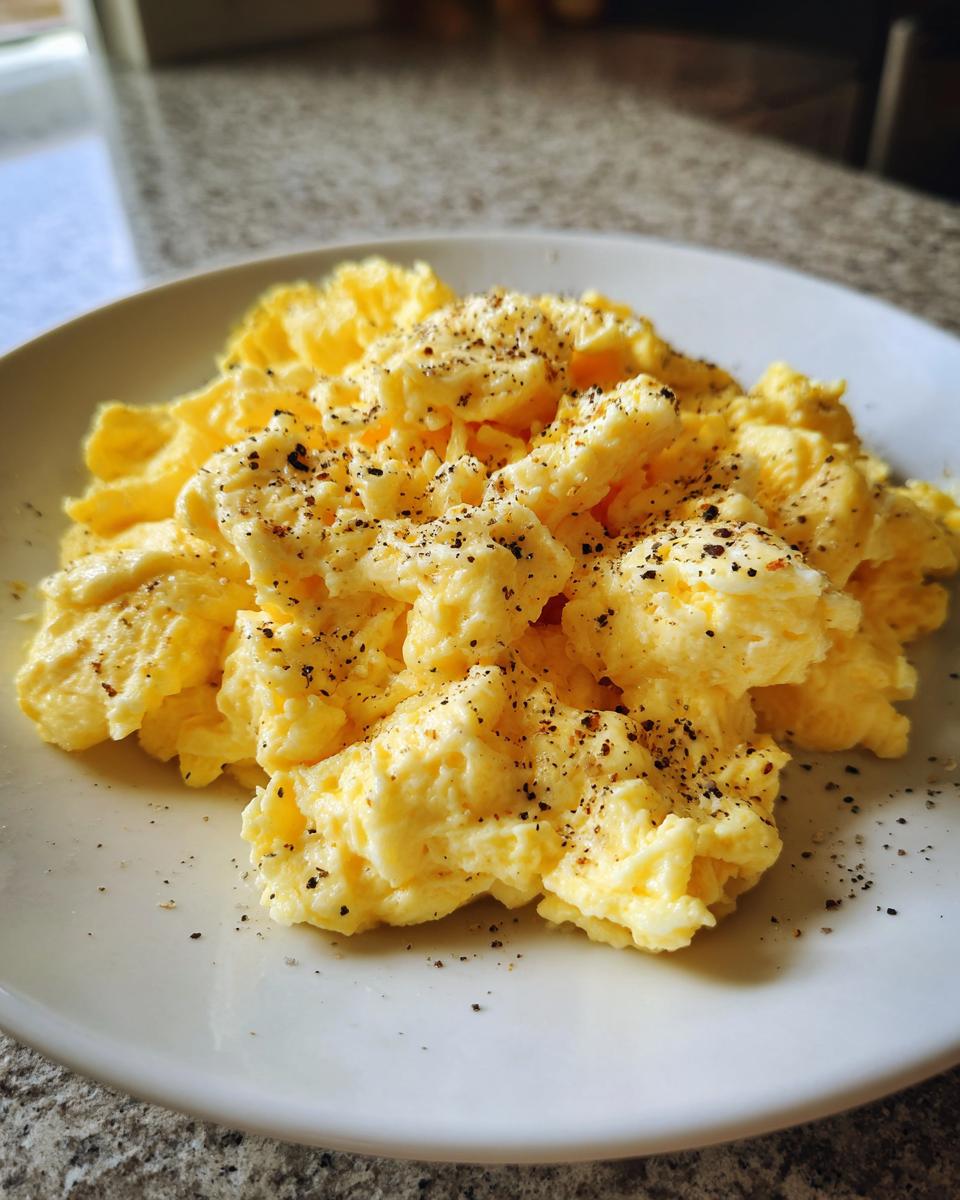
Share Your Perfect Scrambled Eggs Creations
Whew! Now you know all my secrets for whipping up light, fluffy, and utterly luxurious scrambled eggs. I truly believe that once you try this low-and-slow technique, you’ll never go back to the frantic high-heat scramble again. It feels like cheating how good they taste!
But here’s the fun part: this recipe only gets better when I hear from you! If you tried this method and finally achieved those velvety egg curds you’ve been dreaming about, please tell me about it. Come back and leave a rating below—five stars if you’re thrilled! I genuinely want to know what you thought and how they turned out for your family breakfast.
Did you add cheese or try the cottage cheese version? Drop a comment and let us all know your favorite way to enjoy these creamy eggs! And if this recipe saved your morning routine, consider sharing it with a friend who is stuck making rubbery eggs. Sharing the kitchen love helps me create more reliable recipes right here on Kings Cook. I always love hearing from my readers—you can always find out a little more about my own journey right here!
PrintMaster the Best Creamy and Fluffy Scrambled Eggs
Learn the foolproof, low-and-slow technique to make restaurant-quality scrambled eggs that are velvety, soft, and never rubbery. This easy recipe delivers perfect texture every time for a satisfying breakfast or brunch.
- Prep Time: 5 min
- Cook Time: 8 min
- Total Time: 13 min
- Yield: 2 servings 1x
- Category: Breakfast
- Method: Stovetop Cooking
- Cuisine: American
- Diet: Vegetarian
Ingredients
- 6 large eggs
- 3 tablespoons heavy cream (or whole milk)
- 1 tablespoon unsalted butter
- 1/4 teaspoon fine sea salt
- Freshly ground black pepper, to taste
Instructions
- Crack the eggs into a medium bowl. Add the heavy cream and salt. Whisk the mixture gently until the yolks and whites are just combined; do not over-whisk to incorporate too much air, as this can lead to a drier texture.
- Place a non-stick skillet over medium-low heat. Add the butter and let it melt completely until it foams slightly.
- Pour the egg mixture into the skillet. Let the eggs sit undisturbed for about 30 seconds until the edges just begin to set.
- Using a silicone spatula, gently push the cooked egg from the edges toward the center, tilting the pan so the uncooked egg flows underneath.
- Continue this low and slow process, stirring and folding the eggs gently every few seconds. Keep the heat low to prevent the eggs from cooking too fast.
- When the eggs are mostly set but still look slightly wet and glossy (this is key for velvety curds), remove the pan immediately from the heat. The residual heat will finish cooking them.
- Stir in a grind of black pepper. Serve immediately for the best texture.
Notes
- For extra richness, you can add 1/2 cup of shredded sharp cheddar cheese during the last minute of cooking.
- If you prefer a chef style approach, cook the eggs over very low heat, stirring constantly with a rubber spatula, removing the pan from the heat every 15 seconds to control the temperature.
- For protein packed cottage cheese eggs, substitute the heavy cream with 1/4 cup of small-curd cottage cheese mixed in with the eggs before cooking.
Nutrition
- Serving Size: 1 serving
- Calories: 250
- Sugar: 1
- Sodium: 250
- Fat: 19
- Saturated Fat: 10
- Unsaturated Fat: 9
- Trans Fat: 0.5
- Carbohydrates: 2
- Fiber: 0
- Protein: 18
- Cholesterol: 450