

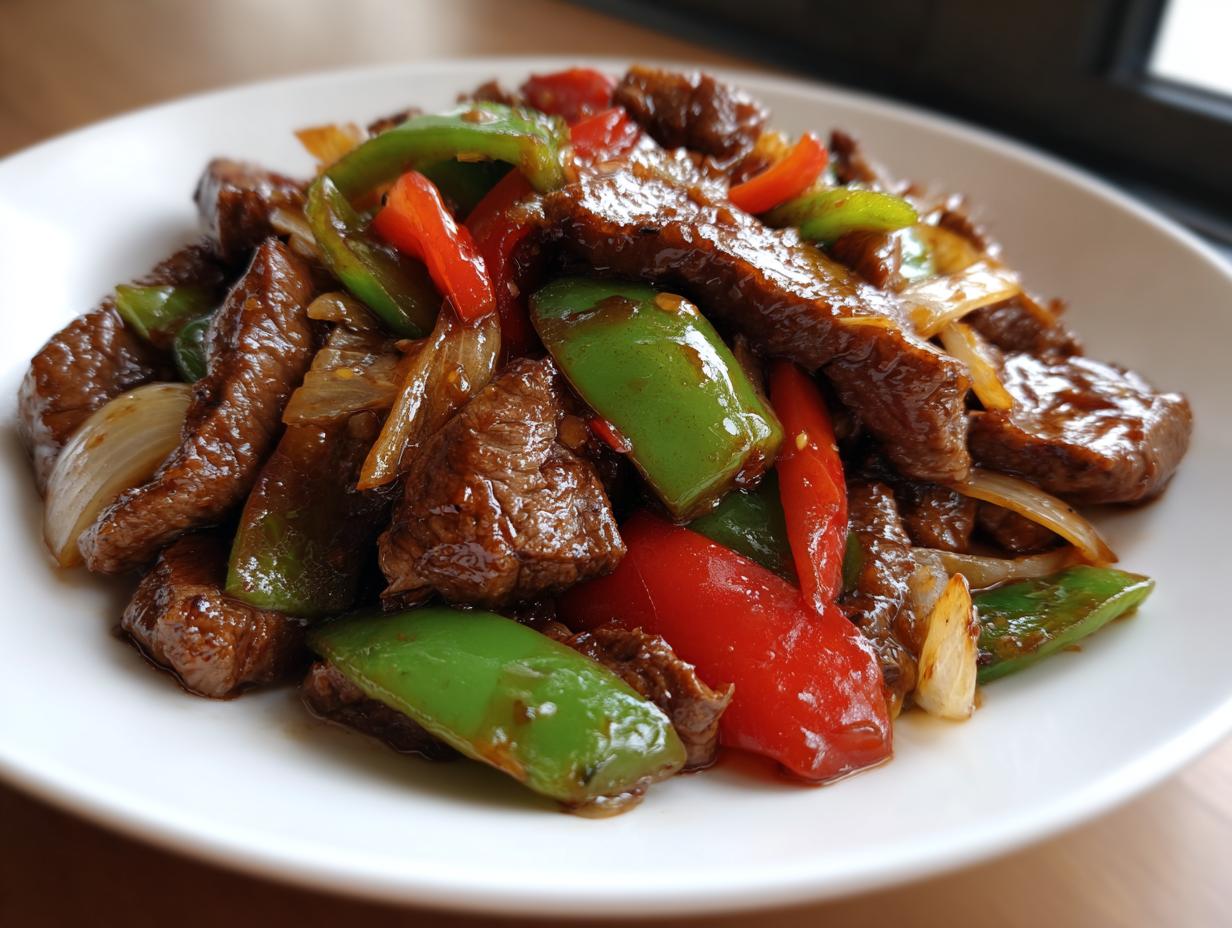
Oh, that moment hits when you’re craving takeout so badly you can practically taste the glossy sauce and perfectly seared beef. But hold on, don’t even think about calling—we are absolutely making the best chinese pepper steak with onions and peppers right here, tonight! I spent months tweaking this recipe, trying to nail that takeout magic at home. The secret, truly, is getting the beef impossibly tender. Forget everything you think you know about chewy stir-fry meat; after testing the velvet technique repeatedly (and yes, dealing with a few sticky messes!), I cracked the code. This recipe gets that flank steak buttery soft every single time, paired with crisp veggies and a savory ginger-garlic punch. Trust me, this is the one you’ll keep forever!
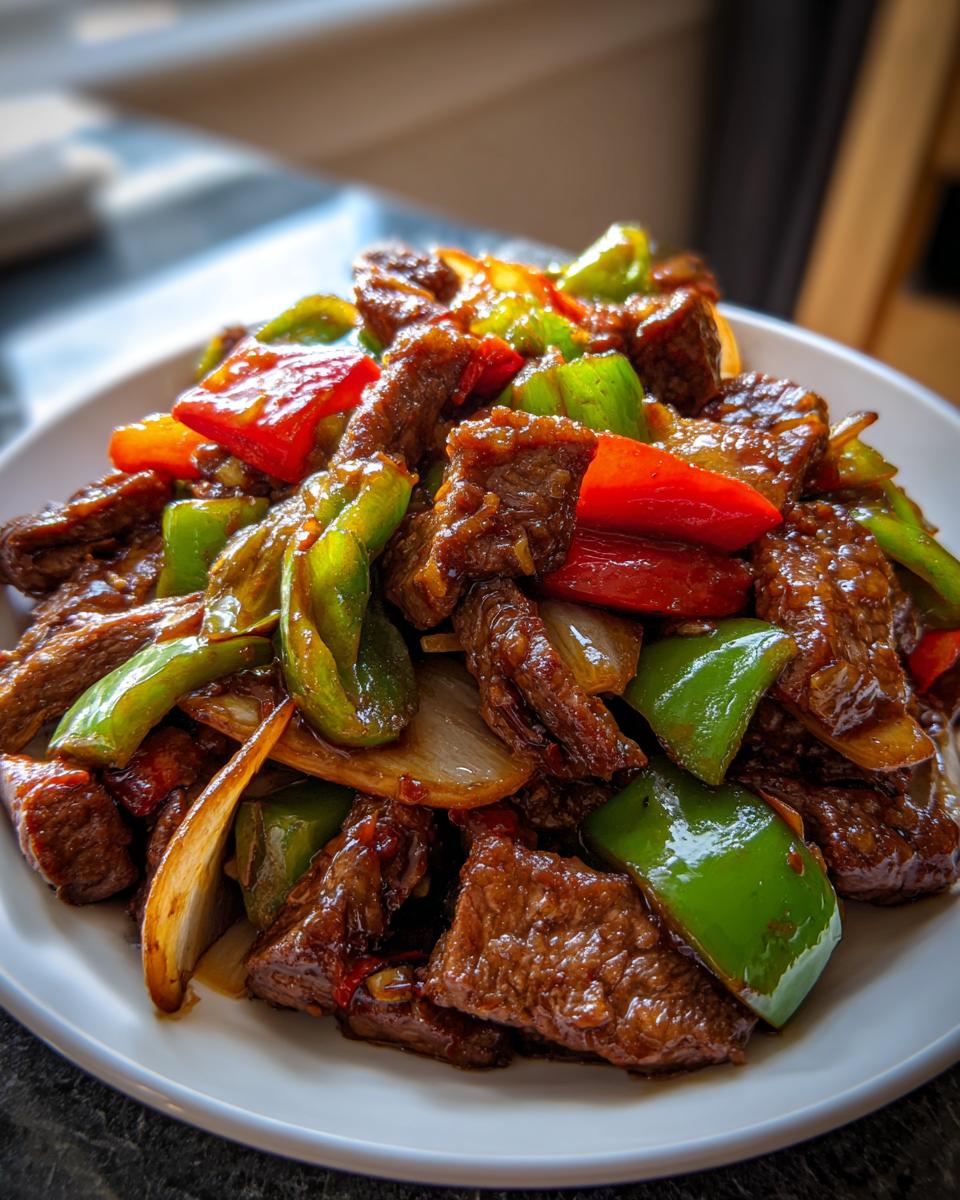
- Why This Chinese Pepper Steak with Onions and Peppers Recipe Works (E-E-A-T)
- Ingredients for the Authentic Chinese Pepper Steak Recipe
- Mastering the Velvet Stir Fry Technique for Tender Beef
- Step-by-Step Instructions for Chinese Pepper Steak with Onions and Peppers
- Tips for a Quick Weeknight Chinese Dinner Version
- Ingredient Substitutions for Your Chinese Pepper Steak with Onions and Peppers
- Serving Suggestions for How to Make Chinese Steak and Peppers
- Storage and Reheating Chinese Pepper Steak with Onions and Peppers
- Frequently Asked Questions About This Dish
- Estimated Nutritional Data for Chinese Pepper Steak with Onions and Peppers
- Share Your Chinese Pepper Steak with Onions and Peppers Creations!
Why This Chinese Pepper Steak with Onions and Peppers Recipe Works (E-E-A-T)
I know the dread of biting into a slice of stir-fried steak only to find it’s tough. That simply won’t happen here! The magic for this incredibly **authentic chinese pepper steak recipe** lies in ensuring every component succeeds. First, we tackle the beef with a simple but non-negotiable velvet technique. This specialized tenderizing beef for stir fry guide ensures juicy, melt-in-your-mouth results.
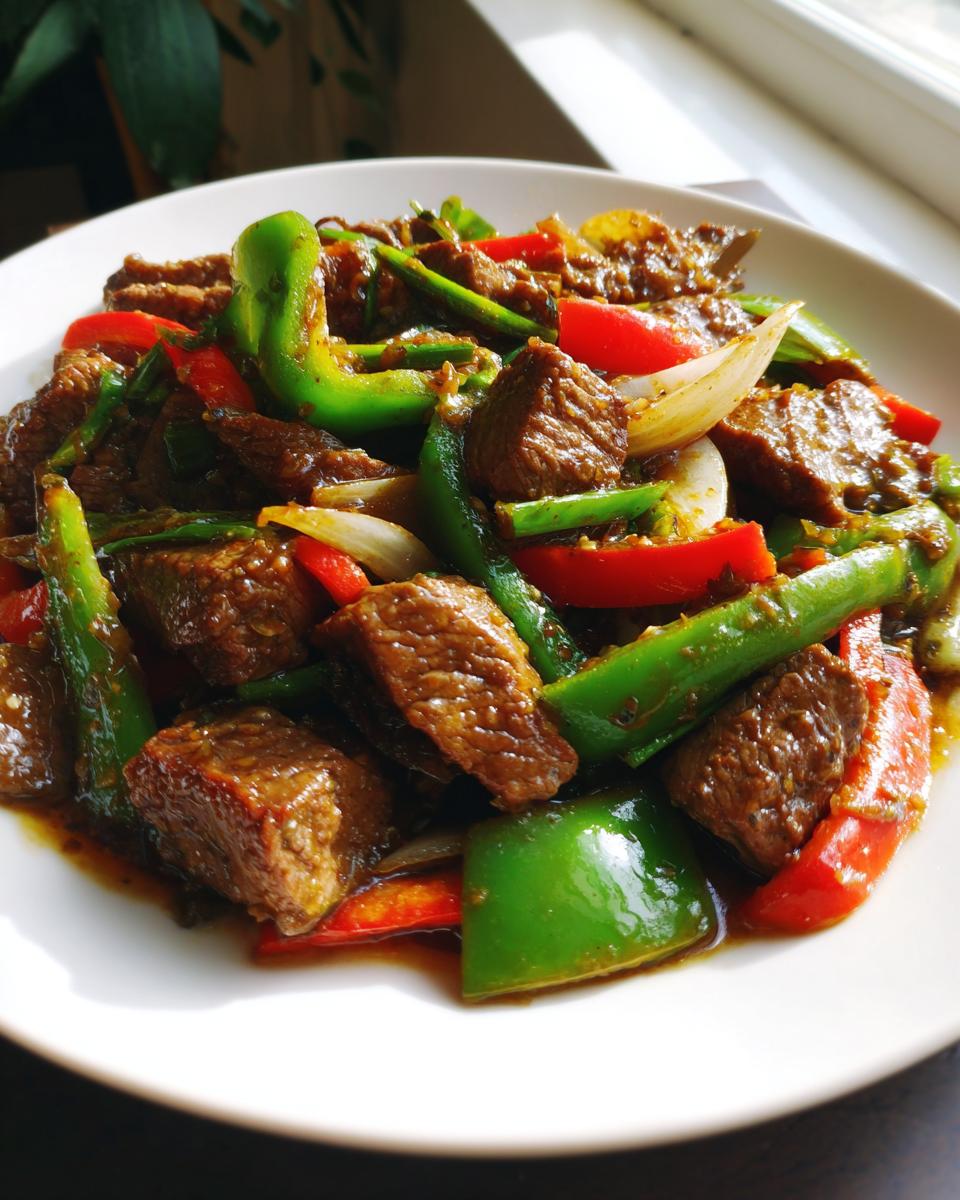
Second, our sauce isn’t just salty water—it hits that perfect balance of savory, sweet, and slight zing. And lastly? Those onions and peppers? They stay perfectly tender-crisp. We cook them fast, so they hold their snap. If you want the quickest way to make a fantastic stir-fry, check out my guide on 30-minute beef stir-fry for streamlined weeknight magic!
Ingredients for the Authentic Chinese Pepper Steak Recipe
Okay, let’s talk about what you need to gather. I always lay everything out before I even think about turning on the heat—it’s called mise en place, and it’s crucial for a fast stir-fry like this **easy beef and peppers recipe**. Don’t substitute anything in that marinade section; those ingredients are doing the heavy lifting to guarantee you get that incredibly tender steak!
For the beef preparation, grab:
- 1 pound flank steak, thinly sliced against the grain. Seriously, slicing against the grain is non-negotiable for tenderness!
- 1 tablespoon soy sauce (this starts the marinate)
- 1 teaspoon cornstarch (the secret weapon for that smooth coating)
- 1 teaspoon sesame oil
- 1/2 teaspoon baking soda (Yes, baking soda! Don’t skip this—it’s part of the velvet magic.)
Next up are the beautiful vegetables that give us that fantastic color:
- 1 large green bell pepper, cut into 1-inch pieces
- 1 large red bell pepper, cut into 1-inch pieces
- 1 medium yellow onion, cut into thick wedges
- 2 tablespoons vegetable oil, divided (we use this in two stages; high smoke point is best!)
And finally, we need the robust sauce components. This combination brings that deep, rich Asian flavor we crave. If you love this style of dish, make sure you also grab the ingredients for my famous beef and broccoli recipe!
- 1 tablespoon fresh ginger, minced (The fresher, the better here, trust me!)
- 3 cloves garlic, minced
- 1/2 cup beef broth
- 3 tablespoons soy sauce (for the sauce mix)
- 1 tablespoon oyster sauce (for depth)
- 1 tablespoon Shaoxing wine or dry sherry (It truly adds authenticity!)
- 1 teaspoon sugar
- 1 teaspoon cornstarch (for thickening the final glaze)
- 1 teaspoon water (to mix with the thickening cornstarch)
Mastering the Velvet Stir Fry Technique for Tender Beef
This next part is where we earn that tender steak prize! I know it looks like we are just throwing random pantry items on the raw meat, but this is the classic Chinese method called velveting. We use the cornstarch coating as a protective shield; it locks in all the moisture while the flank steak hits that blazing hot wok. Don’t leave out the tiny pinch of baking soda either—it’s my little hack in the velveted beef stir fry technique that truly breaks down the muscle fibers, guaranteeing you absolute tenderness.
Pop that beef mixture in the fridge for at least 15 minutes to let it soak up those flavors and start softening up. Trust me, skipping this rest time means you’re missing out on the best part of this chinese pepper steak with onions and peppers!
Creating the Best Chinese Beef Sauce Recipe
While the beef is resting, we whip up the sauce. You want to mix all the main liquid components first—the broth, soy sauce, oyster sauce, and that little splash of Shaoxing wine—so they are ready to go. This keeps you moving fast once the cooking starts.
Then, the crucial finish: the slurry. You take your teaspoon of cornstarch and mix it with one teaspoon of water *separately*. When we pour this in last, it instantly thickens the entire sauce into that perfectly glossy, clinging coating that makes takeout so good. It’s quick, but it has to be done right. If you love deep, savory flavors, check out how I use similar notes in my savory ginger garlic beef recipe!
Step-by-Step Instructions for Chinese Pepper Steak with Onions and Peppers
Alright, this is where we put all that prep work to the test! Remember, for any great stir-fry, heat control is everything, especially when aiming for that takeout texture. You want your wok or your biggest, heaviest skillet screaming hot before anything goes in. We are moving fast here, so have your prepped ingredients right beside the stove. This whole cooking process is super quick—maybe fifteen minutes tops once you start frying!
First things first: let’s deal with those beautiful peppers and onions. Heat up one tablespoon of your vegetable oil until it’s just shimmering, almost smoking. Toss in the bell peppers and the onions. You only want to stir-fry these for about two or three minutes. We aren’t trying to soften them all the way through; we want them vibrant and still holding their structure. Once they look bright and perk up a little, scoop them right out and set them aside.
Now, clean your wok if there’s any residue, and add that second tablespoon of oil. Turn the heat up again! When it’s truly hot, add your marinated beef, spreading it out in a single layer. If your pan is crowded, go in batches—crowding cools the pan down and you’ll end up steaming the meat, which ruins the velvet texture we worked so hard to achieve. Cook the beef for just one to two minutes until you see some good browning, but don’t worry if it isn’t cooked completely through yet. Pull it out and put it back with the resting veggies. If you’re getting comfortable with high-heat cooking,wok cooking beef and peppers can be truly liberating!
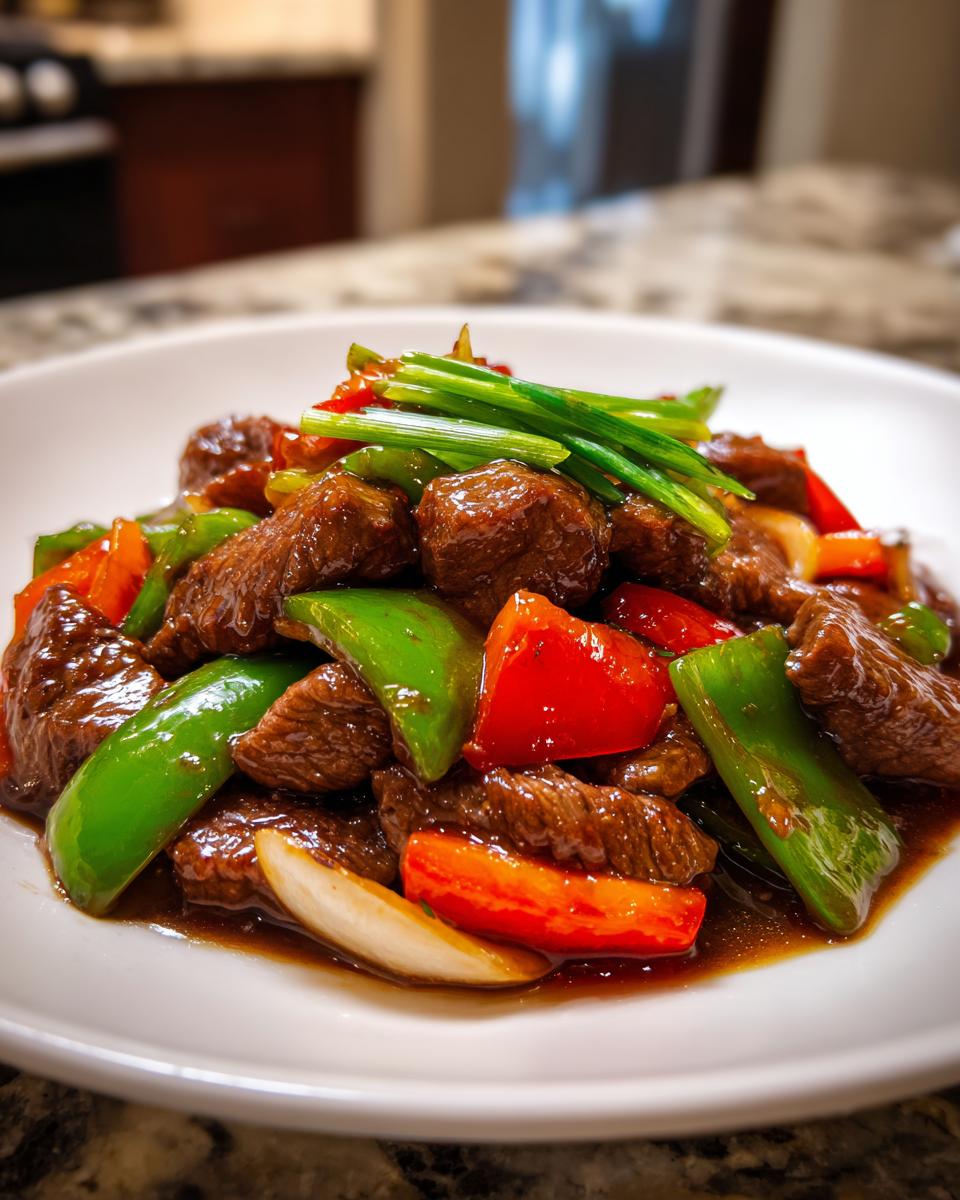
Next up are the aromatics, which smell just heavenly. Lower the heat just a touch and throw in that minced ginger and garlic. Stir constantly for just about 30 seconds until you can really smell that sharp fragrance. Please, please don’t let the garlic burn, or the whole dish tastes scorched!
Time for the payoff! Pour in your pre-mixed sauce—the broth, soy sauce, oyster sauce, and wine combination—and bring it to a quick simmer. As it bubbles, grab that cornstarch slurry you mixed earlier (always give it a quick stir right before adding, just in case the cornstarch settled!) and whisk it into the sauce. You’ll watch it instantly turn thick and beautifully glossy. Once it’s thickened up nicely, toss the beef and the vegetables right back into the wok. Give it one final, quick toss to coat everything in that amazing glaze. That’s it! We are done. Serve it immediately!
Achieving Perfect Vegetable Texture in Your Beef and Onion Stir Fry with Bell Peppers
This is my biggest pet peeve when ordering takeout—soggy peppers! To stop that from happening, the secret is high heat and speed. When your oil is shimmering hot (step one of the cooking process), the vegetables get a blast of intense heat right when they hit the pan. This cooks them quickly on the outside while maintaining that delightful, slightly crisp bite on the inside.
We only want about two to three minutes on those onions and peppers. If you see them starting to slump or turn dull in color, they’ve cooked too long. Remember, they’ll get just a tiny bit more exposure to heat at the very end when we mix them back in with the hot beef and sauce, but that brief moment is usually not enough to ruin that perfect tender-crisp state we are aiming for!
Tips for a Quick Weeknight Chinese Dinner Version
Life gets busy, and sometimes you just need that delicious, authentic flavor kicked out in under 30 minutes. Because this chinese pepper steak with onions and peppers moves so quickly once the heat is on, the heavy lifting comes down to preparation. I’m a huge fan of getting everything ready ahead of time when I know I’m pressed for time.
If you can, try slicing your flank steak the night before and keeping it marinated right in the fridge—that’s one step completely done before dinner chaos even begins! You can also chop all your onions and bell peppers earlier in the day. They hold up beautifully covered tightly in the fridge.
If you are *really* short on time, sometimes my local Asian market sells pre-sliced flank steak specifically cut for stir-fry. If you grab that, you bypass about 10 minutes of prep work. This makes it a true quick weeknight chinese dinner, perfect for those nights when you need something fast that still feels special. Honestly, when I’m sprinting to get dinner on the table, I’ll even whip up a batch of rice ahead of time! If you need another fast favorite, you absolutely have to try my quick creamy garlic shrimp recipe next!
Ingredient Substitutions for Your Chinese Pepper Steak with Onions and Peppers
I always want you to be able to make my recipes even if the store is out of one specific item, though remember those marinade ingredients are key for tenderness! If you can’t find Shaoxing wine—which gives that gorgeous traditional flavor—no sweat. Just use dry sherry, or if you don’t keep wine on hand, use the same amount of plain chicken broth mixed with just a tiny splash of white vinegar. It mimics the acidity beautifully.
When it comes to the beef, flank steak is my absolute favorite because it slices so well after velveting, but sirloin works perfectly fine, too! Just make sure you slice it thin and against the grain, just like we talked about. We aren’t trying to make this complicated; we just want solutions for your **easy beef and peppers recipe**!
If you are looking for another great weeknight option that uses similar flavor profiles, you have to bookmark my recipe for easy beef and peppers recipe. It’s fantastic!
Serving Suggestions for How to Make Chinese Steak and Peppers
This flavorful **chinese pepper steak with onions and peppers** is a star on its own, but it really needs a great foundation to soak up all that delicious sauce. My absolute favorite accompaniment, every single time, is plain steamed white rice. It’s neutral, fluffy, and lets the savory, ginger-garlic beef shine through perfectly. If you want to elevate that side dish just a touch, I have a recipe for easy cilantro lime rice that pairs shockingly well with the Asian flavors here!
Brown rice is a great option if you’re looking for something heartier or managing blood sugar, but be aware it might absorb a bit more of that amazing sauce!
Now, here’s where this recipe really shines: it’s built for leftovers. This dish holds up incredibly well, making it perfect for taking to the office or having planned lunches for the week ahead. Because we used the velvet technique to keep the steak moist, it reheats much better than a standard stir-fry. Storing it properly makes it a fantastic option for **meal prep chinese beef and peppers**. Just make sure you keep the rice separate until you are ready to eat so the rice doesn’t get soggy!
Storage and Reheating Chinese Pepper Steak with Onions and Peppers
One of the best things about making a big batch of this chinese pepper steak with onions and peppers is knowing I have leftovers for lunch the next day! Since the flank steak was so well-protected by the velveting process, it hangs onto its moisture better than most stir-fries. You need to treat those leftovers right, though, so you don’t overcook the beef when getting it ready.
For storage, the key is to let the dish cool down a bit before sealing it. I use glass containers with tight-fitting lids, but any airtight container works just fine. Pop it into the refrigerator within two hours of cooking. It should keep beautifully for about three to four days. If you’re planning on keeping it longer, freezing is an option, but honestly, it tastes freshest when eaten within four days.
When it’s time to reheat, you have two great options, but one is definitely better than the other. If you only need to warm up a small serving, the microwave is fast. Just use about 50% power and heat it in short 30-second bursts, stirring between each one. This gentle heating stops the beef from turning rubbery.
My absolute favorite method, though, is reheating it on the stovetop. Grab a clean skillet or your wok, add about a teaspoon of water or broth, and bring it up to medium-high heat. Add the cold leftovers and toss quickly until everything is steaming hot. Because the sauce is already there, this only takes about three or four minutes total. Resist the urge to crank the heat to maximum; we want to warm it through, not cook it a second time!
Frequently Asked Questions About This Dish
Can I use frozen beef for this chinese pepper steak with onions and peppers?
Oh, I really advise against starting with frozen beef for any stir-fry, especially this one! The velvet technique relies on the meat being fresh, or at least completely thawed, so it can properly absorb the cornstarch and baking soda. If you use steak that’s still icy or even just damp from thawing, it will cool down your wok way too fast, and you’ll end up steaming the meat instead of searing it. If you absolutely must use frozen steak, thaw it completely in the refrigerator overnight, pat it bone-dry with paper towels, and then proceed with the marinating step.
What if my sauce ends up being too thin? I wanted that thick glaze!
Don’t worry, this is an easy fix! If you followed my instructions and your sauce didn’t thicken perfectly after you added the slurry, it just means you might need a little more cornstarch power. Take another small bowl and mix just 1/2 teaspoon of cornstarch with 1 teaspoon of *cold* water. Whisk that slurry into your simmering sauce one small batch at a time. Let it bubble for about 15 seconds between additions. It thickens shockingly fast, so be patient and add it slowly!
What is the absolute best way to slice flank steak against the grain?
This is a fantastic question, showing you really care about making the **best chinese beef sauce recipe** work with perfectly tender meat! Flank steak has very long muscle fibers, and cutting *against* those lines (perpendicularly) shortens them, making the steak tender when you chew. First, find the grain—it looks like faint lines running down the meat. Lay the steak on your cutting board and use your sharpest knife to slice directly across those lines into pieces about 1/4 inch thick rather than trying to slice with the lines. If you cut with the grain, you end up with chewy strands, no matter how much you velvet it!
Can I meal prep this recipe? The leftovers are so good!
Absolutely, you can! As I mentioned above, this is a great candidate for **meal prep chinese beef and peppers**. The velveting protects the meat well. I recommend keeping the rice separate from the steak and veggie mixture until lunchtime the next day because rice tends to soak up all the sauce and can get gummy if refrigerated already coated. Otherwise, store the mixture tightly sealed, and it reheats wonderfully! For more reliable prep recipes, check out my guide on the traditional chinese onion steak recipe for variations.
Estimated Nutritional Data for Chinese Pepper Steak with Onions and Peppers
I always feel a little odd putting precise numbers on food made with love, but I know some of you track macros or just want a general idea. Please remember, these figures are just estimates based on the exact ingredients listed in the recipe card above. The brand of oyster sauce you use, or exactly how much oil you drain off your beef, can change these numbers slightly. Consider this a helpful guide, not a guarantee!
These estimates are based on creating 4 generous servings of this chinese pepper steak with onions and peppers:
- Serving Size: 1 serving
- Calories: 350
- Sugar: 8g
- Sodium: 750mg (Yes, it’s savory! Use low-sodium soy sauce if you need this lower.)
- Fat: 15g
- Saturated Fat: 3g
- Unsaturated Fat: 12g
- Trans Fat: 0g
- Carbohydrates: 18g
- Fiber: 3g
- Protein: 35g
- Cholesterol: 85mg
Honestly, when you’re whipping up something this delicious and packed with lean flank steak protein, I think it’s a huge win! It’s far better than any of the restaurant versions I’ve tried, hands down. It’s a balanced meal when paired with rice!
Share Your Chinese Pepper Steak with Onions and Peppers Creations!
Now that you’ve mastered the velvet technique, gotten that perfect sear on the flank steak, and created that amazing glossy glaze, I absolutely cannot wait to hear about your results! This is my favorite part of sharing recipes—seeing how they turn out on your tables. Did you use a red onion instead of yellow? Did you add a tiny sprinkle of chili flakes for heat?
Please, please leave a comment below and tell me how it went! Knowing that another home cook felt successful making this **authentic chinese pepper steak recipe** brightens my entire week. Don’t be shy—drop a star rating if you loved it (I’m hoping for five!), and share any little tweaks you discovered along the way. That feedback helps our whole Kings Cook community!
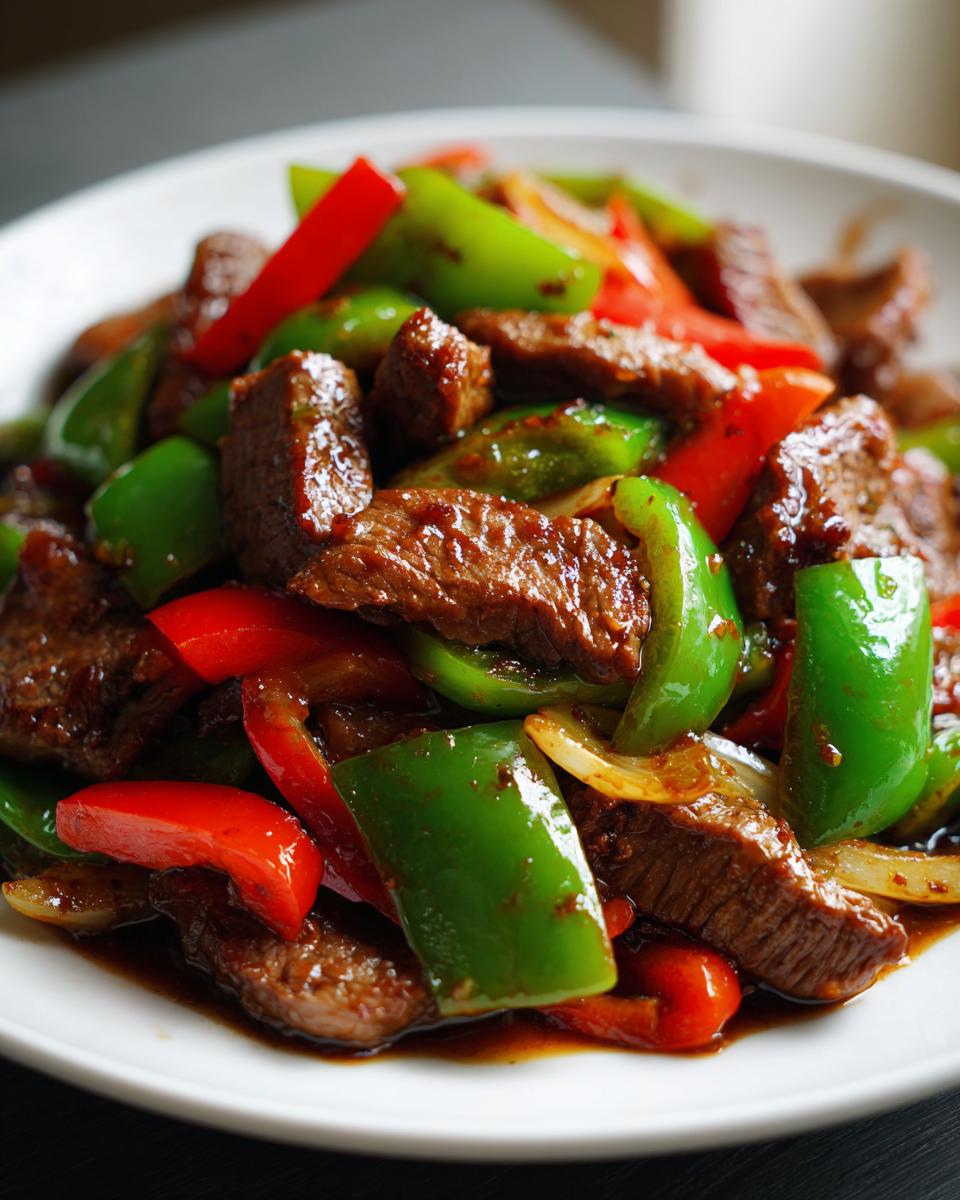
If you pulled out your phone to snap a picture of that gorgeous final plate, tag me on social media! I love seeing photos of my readers feeling like royalty in their own kitchens. If you’re ever curious about my mission or want to see who I am behind the apron, feel free to check out my About Page. Happy cooking, friends, and I truly hope this beef and onion stir fry with bell peppers becomes a regular dinner staple for you!
PrintAuthentic Chinese Pepper Steak with Tender Beef and Ginger-Garlic Sauce
Make takeout-style Chinese pepper steak at home with this easy recipe. You will learn the velvet technique to keep your flank steak tender and create a glossy, savory sauce with onions and bell peppers.
- Prep Time: 20 min
- Cook Time: 15 min
- Total Time: 35 min
- Yield: 4 servings 1x
- Category: Dinner
- Method: Stir-Frying
- Cuisine: Chinese
- Diet: Low Lactose
Ingredients
- 1 pound flank steak, thinly sliced against the grain
- 1 tablespoon soy sauce (for marinade)
- 1 teaspoon cornstarch (for marinade)
- 1 teaspoon sesame oil (for marinade)
- 1/2 teaspoon baking soda (for tenderizing)
- 1 large green bell pepper, cut into 1-inch pieces
- 1 large red bell pepper, cut into 1-inch pieces
- 1 medium yellow onion, cut into thick wedges
- 2 tablespoons vegetable oil, divided
- 1 tablespoon fresh ginger, minced
- 3 cloves garlic, minced
- 1/2 cup beef broth
- 3 tablespoons soy sauce (for sauce)
- 1 tablespoon oyster sauce
- 1 tablespoon Shaoxing wine or dry sherry
- 1 teaspoon sugar
- 1 teaspoon cornstarch (for thickening)
- 1 teaspoon water (for cornstarch slurry)
Instructions
- Prepare the beef: In a medium bowl, combine the sliced flank steak with 1 tablespoon soy sauce, 1 teaspoon cornstarch, 1 teaspoon sesame oil, and 1/2 teaspoon baking soda. Mix well to coat. Let the beef marinate for at least 15 minutes. This is the velvet stir fry technique for tender beef.
- Prepare the sauce: In a small bowl, whisk together the beef broth, 3 tablespoons soy sauce, oyster sauce, Shaoxing wine, and sugar. Set aside. In a separate tiny bowl, mix 1 teaspoon cornstarch with 1 teaspoon water to create a slurry.
- Stir-fry the vegetables: Heat 1 tablespoon of vegetable oil in a wok or large skillet over high heat until shimmering. Add the bell peppers and onions. Stir-fry for 2 to 3 minutes until they are tender-crisp. Remove the vegetables from the wok and set them aside.
- Cook the beef: Add the remaining 1 tablespoon of vegetable oil to the hot wok. Add the marinated beef in a single layer (cook in batches if necessary to avoid crowding). Stir-fry quickly for 1 to 2 minutes until browned but not fully cooked through. Remove the beef and set it aside with the vegetables.
- Sauté aromatics: Reduce the heat slightly. Add the minced ginger and garlic to the wok. Stir-fry for about 30 seconds until fragrant. Do not let the garlic burn.
- Thicken the sauce: Pour the prepared sauce mixture into the wok. Bring it to a simmer. Stir the cornstarch slurry again and pour it into the simmering sauce while stirring constantly. Cook for about 30 seconds until the sauce thickens and becomes glossy.
- Combine and finish: Return the cooked beef and the stir-fried vegetables to the wok. Toss everything quickly to coat evenly with the sauce. Cook for 1 minute until the beef is heated through. Serve immediately over rice.
Notes
- For an even richer flavor, substitute half of the beef broth with mushroom broth.
- If you do not have Shaoxing wine, use dry sherry or substitute with an equal amount of chicken broth mixed with a few drops of white vinegar.
- To achieve the best results when cooking the beef, make sure your wok is very hot before adding the meat.
Nutrition
- Serving Size: 1 serving
- Calories: 350
- Sugar: 8
- Sodium: 750
- Fat: 15
- Saturated Fat: 3
- Unsaturated Fat: 12
- Trans Fat: 0
- Carbohydrates: 18
- Fiber: 3
- Protein: 35
- Cholesterol: 85