

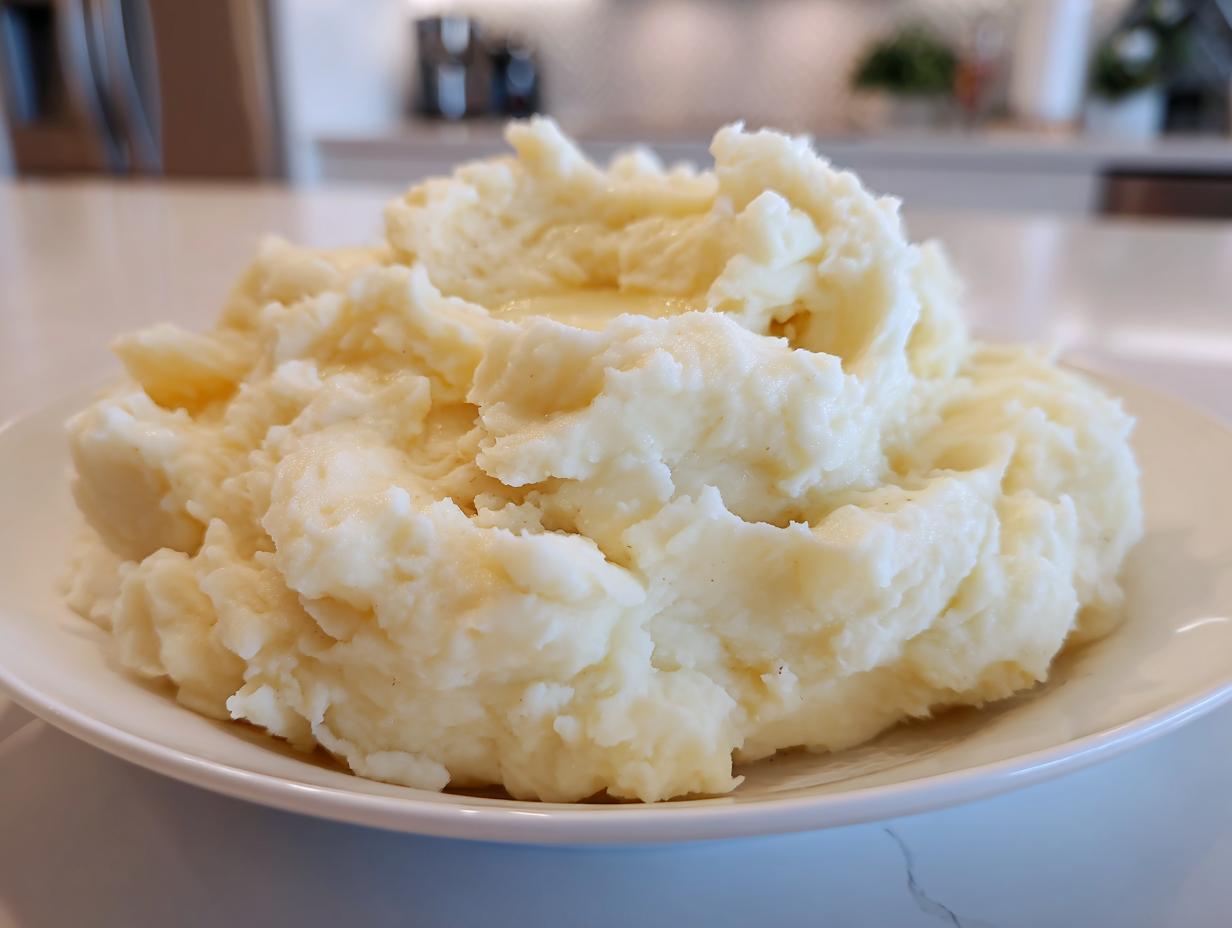
Okay, let’s talk real comfort food here. Have you ever bitten into mashed potatoes and thought, “Wait, why is this sticky?” Ugh, I hate that! You deserve potatoes that are the total opposite: light, fluffy, and unbelievably silky. I spent years perfecting what I call the creamy mashed potatoes recipe that you’ll see below. Every measurement and every step has been rigorously tested in my kitchen so you never have to worry about that gluey texture again. Trust me, these are the ultimate comfort food side dish, rich with real butter and so easy to master for your next dinner table!
- Why This is the Ultimate Creamy Mashed Potatoes Recipe Ever
- Gathering Ingredients for Rich Potato Side Dish
- How to Prepare Creamy Mashed Potatoes: Step-by-Step
- Tips for Success with Buttery Homemade Potatoes
- Making Creamy Mashed Potatoes Ahead of Time
- Serving Suggestions for Your Ultimate Comfort Food Side Dish
- Frequently Asked Questions about Creamy Mashed Potatoes
- Estimated Nutrition for this Creamy Mashed Potatoes Recipe
- Share Your Perfect Creamy Potatoes Experience
Why This is the Ultimate Creamy Mashed Potatoes Recipe Ever
You’ve probably tried a dozen recipes promising the best mashed potatoes ever, right? What makes mine different? It really boils down to two things: the right potato and eliminating moisture before we even start piling in the dairy. We rely on Russets because they are starchy and break down beautifully, giving us that airy, fluffy texture—the absolute opposite of heavy bricks!
My number one rule for delivering the best mashed potatoes ever is making sure those spuds are dry before adding anything rich. If you skip this, you’re guaranteed a watery mess. Plus, I bring in a little secret weapon: a touch of sour cream! That small addition is what really pushes these over the edge into truly luxurious, creamy mashed potatoes territory. These are definitely my go-to for anyone needing no gluey mashed potatoes tips; it’s a foolproof method for silky, decadent results.
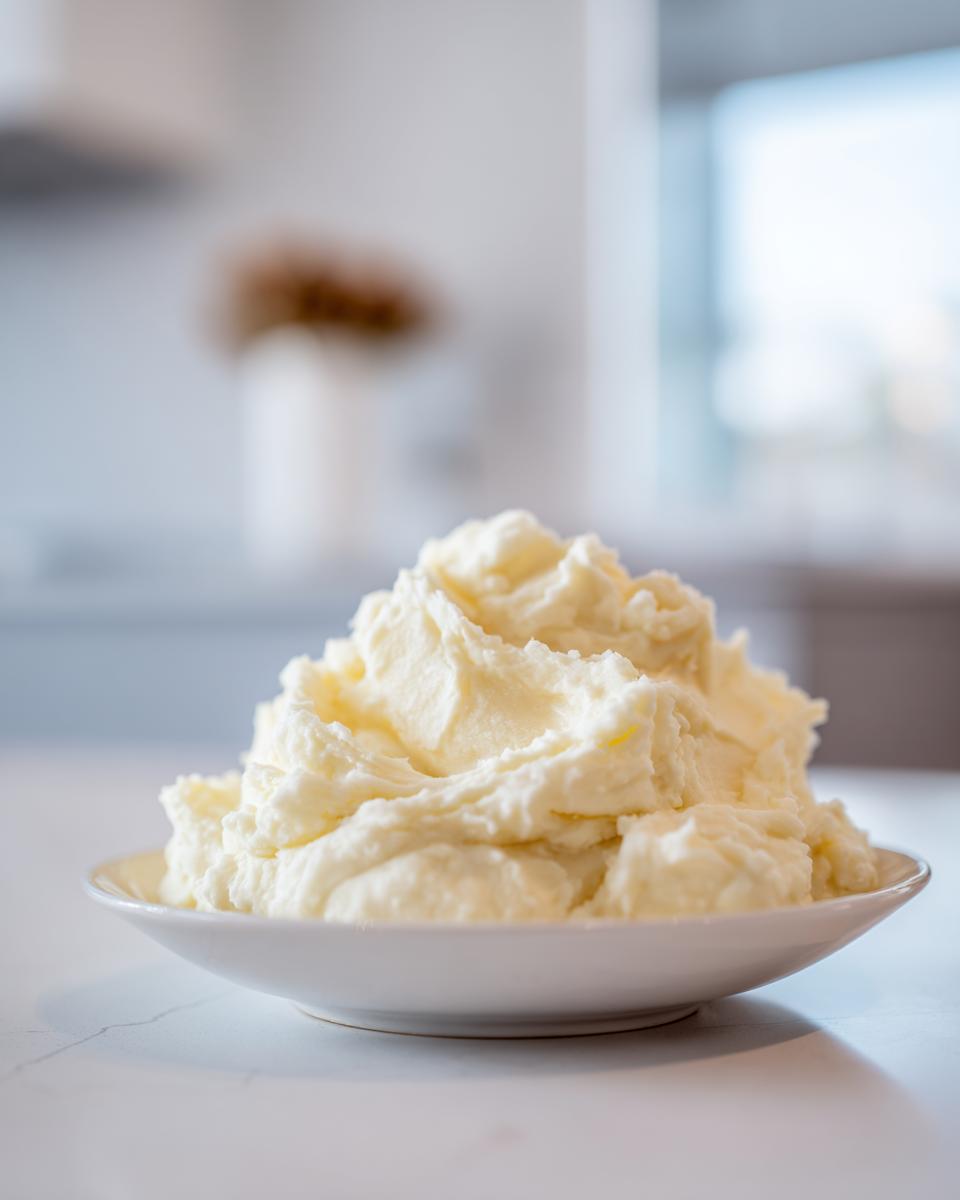
If you are thinking about taking these fabulous potatoes to the next level, check out how they pair with my Loaded Baked Potato Casserole. People love comparing different techniques, and you can see how other cooks approach their creamy mashed potatoes too!
The Secret to Fluffy Mashed Potatoes Technique
Look for Russet potatoes, always. They have the high starch content we need to whip up light and fluffy potatoes. Once you drain them, the magic starts! You absolutely must return them to the empty, still-warm pot and let them steam dry for about five minutes over the lowest heat. This gets rid of the surface water that tries to ruin our texture. It feels like an extra step, but trust me, this drying process is absolutely crucial for achieving that light, ethereal mash.
Gathering Ingredients for Rich Potato Side Dish
You don’t need a ton of fancy stuff to get these buttery homemade potatoes right, but the ingredients you use matter! I’ve listed everything you need below, focusing on quality. Remember, we’re using Russets because they’re the best for getting that fluffy texture.
The real star for achieving that ultra-smooth, creamy mashed potatoes consistency is the sour cream. Don’t skip it! Make sure your butter is softened and your milk is warmed up before you start adding them in. Cold ingredients are the enemy of smooth potatoes!
- 3 lbs Russet potatoes, peeled and quartered
- 1 cup Whole Milk, warmed
- 8 tablespoons Unsalted Butter, cut into pieces and softened
- 1 teaspoon Kosher Salt, plus more for boiling water
- 1/2 teaspoon Black Pepper
- 1/4 cup Sour Cream (the secret ingredient for extra creaminess)
How to Prepare Creamy Mashed Potatoes: Step-by-Step
Alright, this is where we bring it all together! The process for making truly creamy mashed potatoes is more about technique than complicated ingredients. Remember, patience in the first few steps ensures we get that gorgeous, silky finish without any sticky lumps. We are building flavor layer by layer here, so don’t rush the important parts!
Boiling and Drying the Potatoes
First things first: always cover your potatoes with **cold** water before you put them on the heat, and make sure you salt that water generously—it’s your only chance to season the inside of the spud! Let them boil until they are fork-tender, usually about 15 to 20 minutes. Once they are soft, drain them really well in a colander. This next step is huge for anyone looking for no gluey mashed potatoes tips: return those drained potatoes to the empty pot, set it on the stove over the very lowest heat setting, and let them steam dry for about five minutes. Just gently shake the pot. You want that moisture to evaporate!
Mashing and Incorporating Milk and Butter
Once they look dry, take the pot off the heat. Now, we add the softened butter first. Mash it until the butter is mostly incorporated—this coats the starch particles so they don’t get gummy later. Then, and this is vital for that smooth texture, slowly pour in your **warm** milk while you continue to mash gently or stir. Don’t dump it all in! We are aiming for how to make smooth mashed potatoes, not soup. If you grab a stand mixer or electric hand mixer? Stop right there! Those tools overwork the starches, and that’s how you turn beautiful potatoes into wallpaper paste. Keep it manual for this part!
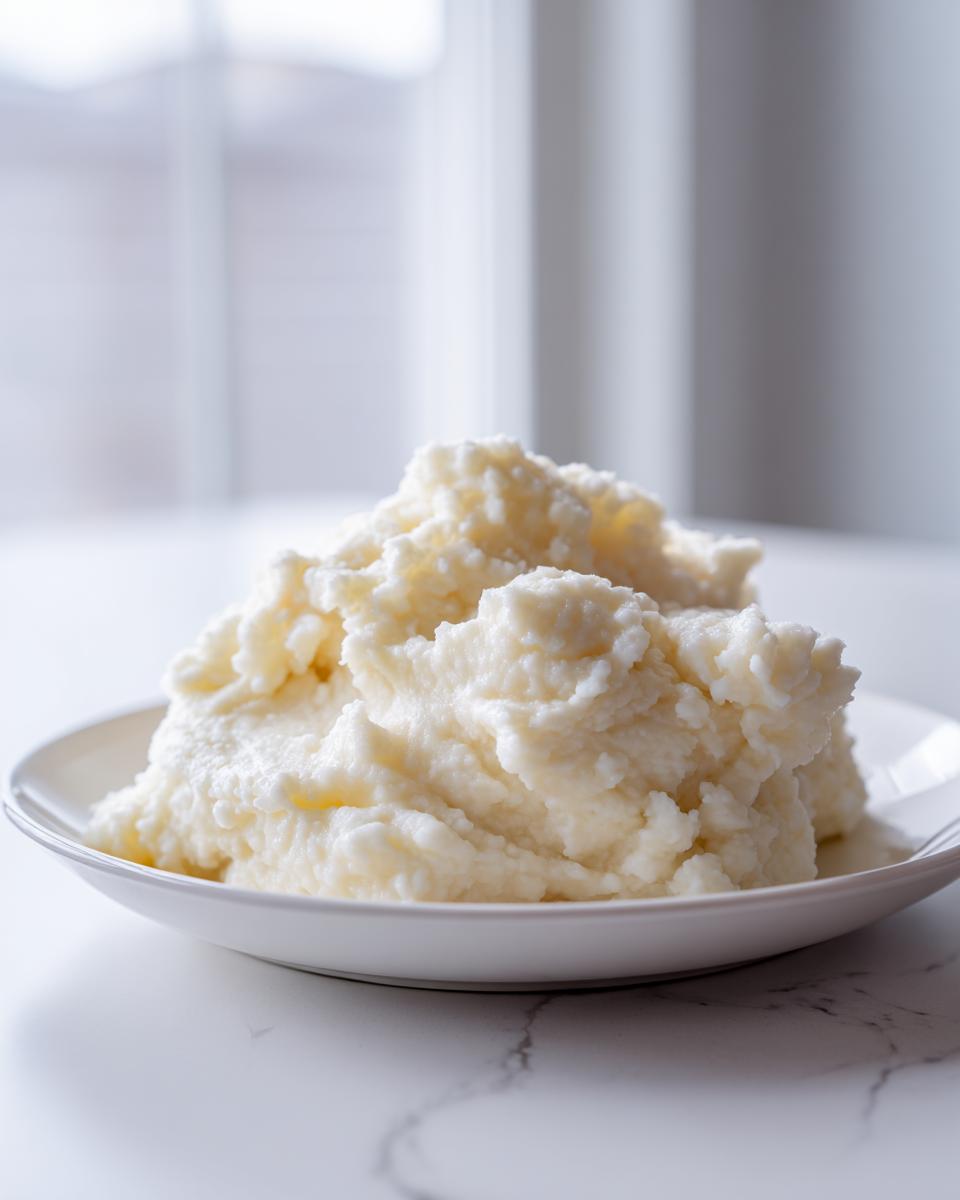
After the milk is in, stir in your sour cream, salt, and pepper until everything is just combined. Check the seasoning. Remember, these potatoes are the perfect side dish, so they need to taste phenomenal on their own. You can see a great example of flavor building when you check out my creamy mashed potatoes inspiration online, but stick to this method for that rustic, buttery homemade flavor!
If you’re looking for other ways to serve potatoes alongside your main course, check out my recipe for Garlic Herb Roasted Potatoes next!
Tips for Success with Buttery Homemade Potatoes
We’ve got the basic steps down for making truly creamy mashed potatoes, but if you want to ensure they are restaurant-quality every single time, there are a few little tricks that make a huge difference. Think of these as my little secrets for achieving that gourmet texture without a massive fuss!
First up: texture control! If you love potatoes that are impossibly smooth—like velvet for your mouth—you absolutely have to consider using a potato ricer after you’ve done the initial mash where you incorporated the butter. The ricer breaks down the starch better than any masher can and guarantees you won’t get any hidden lumps. It lets you achieve that pinnacle of buttery homemade potatoes.
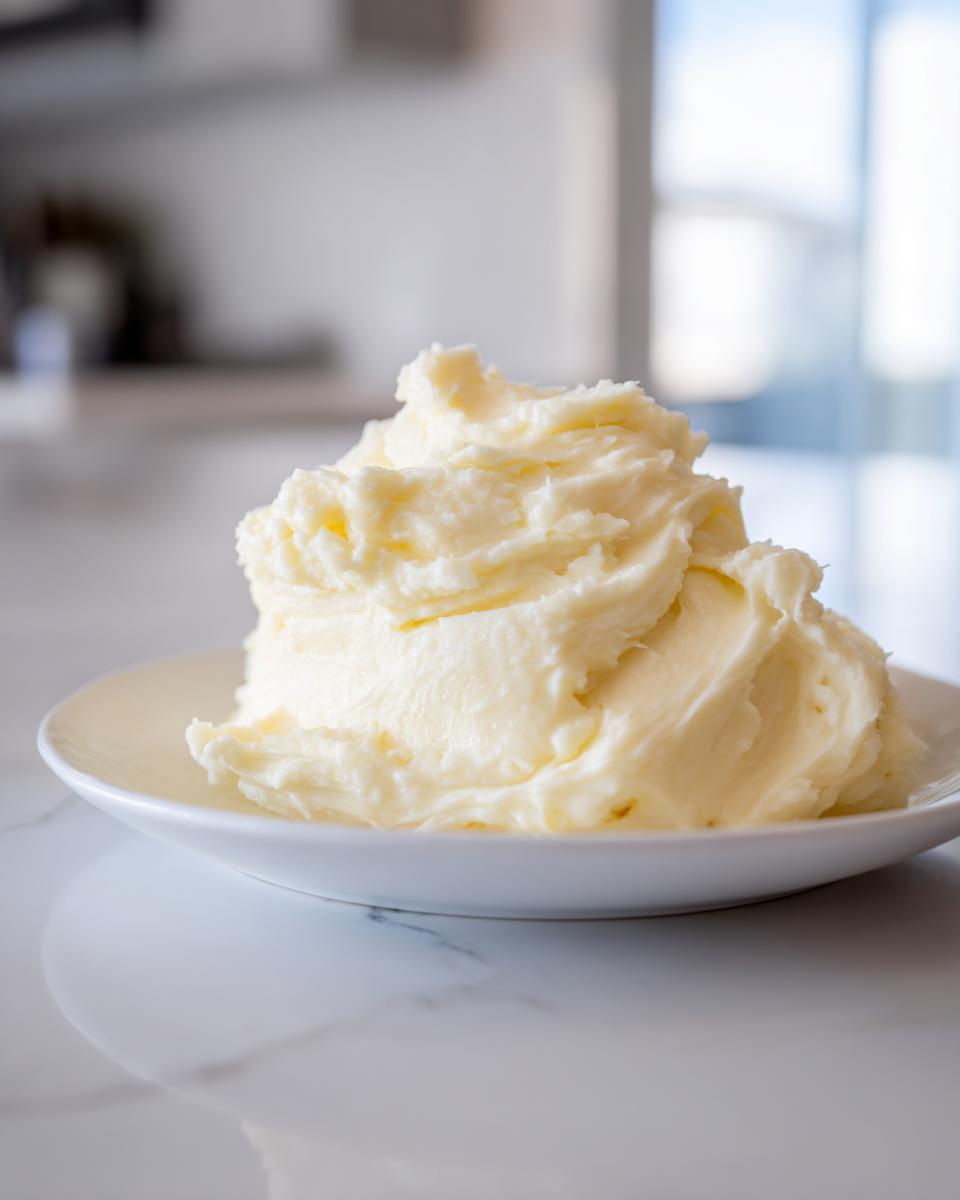
Also, and I cannot stress this enough: keep those liquids HOT! Whether you’re using milk or cream, always warm it up before it hits the potatoes, and make sure your butter is soft, not melted. Cold liquids drastically stiffen the potato cell structure, leading to that dense, heavy texture we are trying so hard to avoid. Following these simple rules guarantees you get the fluffiest, creamy mashed potatoes possible!
Got leftovers that need a second life? Don’t throw them out! You can transform them into fantastic Mashed Potato Cakes, which are just as comforting but with a crispy outside!
Making Creamy Mashed Potatoes Ahead of Time
I know that holidays and big family dinners mean juggling about a thousand things at once, so let’s talk about planning ahead! The good news is that these creamy mashed potatoes are actually great for making ahead of time, which frees you up on the big day. You can handle the bulk of the work a day before the feast.
Here’s the trick: make the potatoes completely, incorporating the potatoes, butter, and milk until they are just smooth—go ahead and mash everything together. After that, stop! Do not add the sour cream yet. Cover the pot tightly and stick it right in the fridge.
When it’s time to serve them, take them out about an hour before you need them so they aren’t totally ice cold. Place the pot over very low heat on the stove. Keep them moving with a wooden spoon, stirring constantly, until they are heated all the way through and creamy again. When they are hot, *then* you stir in that sour cream and whip them gently one last time to bring back that light texture. This ensures they reheat beautifully without losing that rich, homemade flavor.
They are so good, they practically pair perfectly with my recipe for Soft Dinner Rolls because you need something to sop up those extra buttery juices!
Serving Suggestions for Your Ultimate Comfort Food Side Dish
Now that you have whipped up the fluffiest, richest potato side dish imaginable, the real fun begins: what are we putting on top of these beauties? Since these potatoes are pure silk and packed with butter, they truly shine next to robust main courses. They are the perfect, comforting cushion for anything saucy!
For a classic Sunday dinner, you absolutely have to pair these with a hearty, slow-cooked roast of any kind. My recipe for Classic American Meatloaf is unbeatable with these potatoes—the gravy just sinks right in! If you’re leaning toward something a bit smokier and richer for a weekend feast, these smooth potatoes are the ideal cool counterpoint to my melt-in-your-mouth Fall-Off-The-Bone Tender BBQ Ribs.
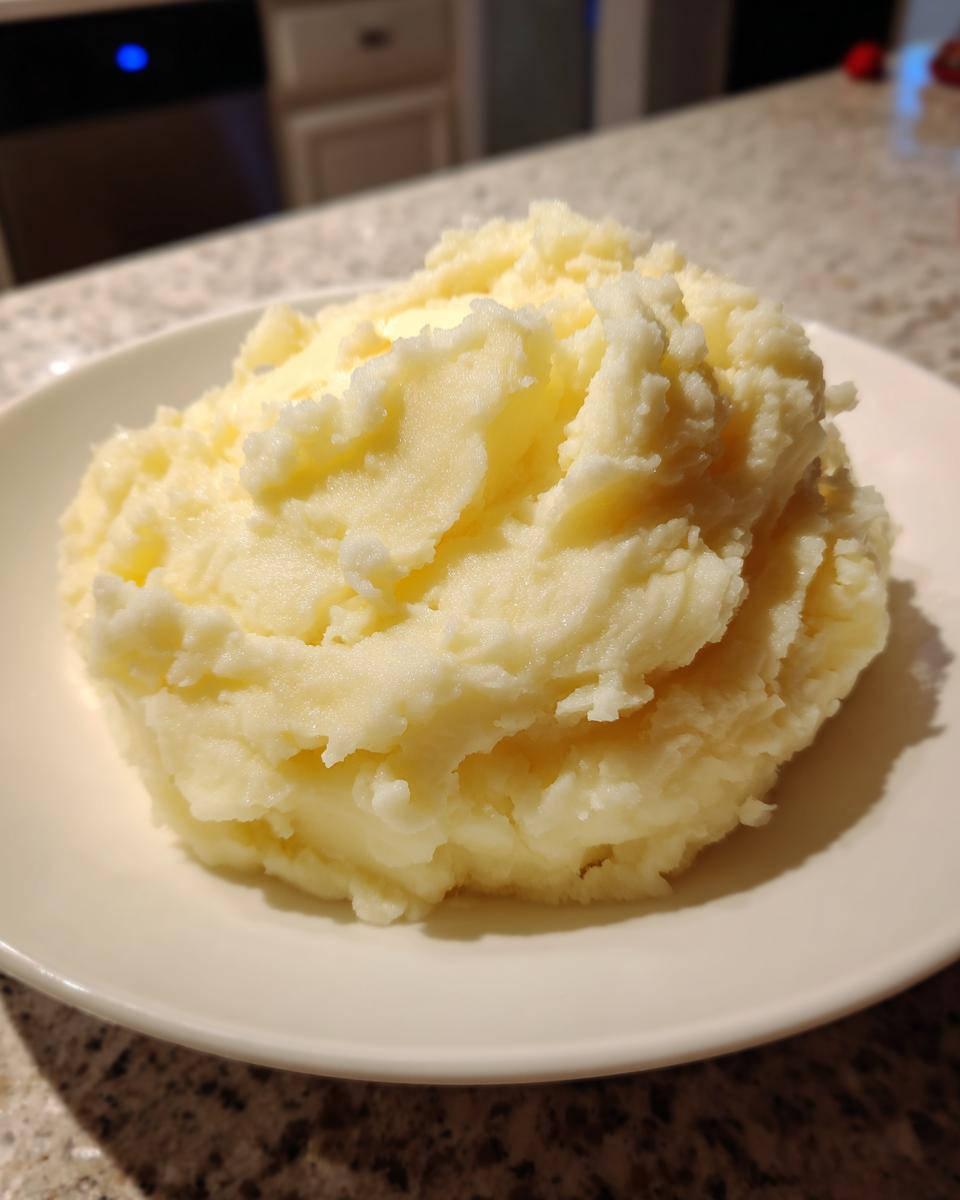
Honestly, you could serve these with anything from crispy fried chicken to a simple pan-seared steak, and it would feel like a five-star meal. They are truly that good; they elevate every component on the plate just by being there. Serve them hot and enjoy the compliments!
Frequently Asked Questions about Creamy Mashed Potatoes
You have the recipe, you’ve got the technique—but I know you might still have a couple of lingering doubts! It’s totally normal. Achieving the best mashed potatoes ever can feel a bit intimidating, but these little Q&As should clear up any last hesitations you have about making these creamy mashed potatoes.
What is the best potato type for creamy mashed potatoes?
This is one of the most important questions! For that light, fluffy texture that defines creamy mashed potatoes, you absolutely want high-starch potatoes. Russets are my number one choice because their starch breaks down beautifully when cooked, leading to that airy mash we love. If you want something slightly creamier right off the bat but still fluffy, Yukon Golds are a fantastic second choice. Avoid waxy potatoes like Red Bliss; they hold too much moisture and tend to get gummy, which is the exact opposite of the texture we are aiming for here!
Can I use heavy cream instead of milk for my rich potato side dish?
Oh, you certainly can! If you substitute heavy cream for the whole milk in this rich potato side dish, your potatoes will be incredibly decadent—almost like whipped potatoes laced with extra butter. Just be careful: since heavy cream is much thicker than milk, you might need less of it. Start with half the amount of cream the recipe calls for, and only add more by the tablespoonful until you hit that perfect level of creaminess. If you add too much, they might become too thick!
How do I fix mashed potatoes that turned out gluey?
This is the toughest one, because sadly, it’s about preventing the problem rather than totally fixing it once it happens! Gluey potatoes are caused by overmixing, which releases too much starch. If you realize you’ve gone overboard with the electric mixer, you can try to salvage them by gently stirring in a little more warm milk and/or a knob of softened butter, but it won’t reverse the starch activation completely. Next time, remember: use a hand masher or a ricer, never a high-speed mixer, to guarantee that smooth result we want from our creamy mashed potatoes!
If you’re wondering about other cooking methods, you can always check out how other home cooks handle their spuds by reading about how The Kitchn approached the Pioneer Woman’s version.
Estimated Nutrition for this Creamy Mashed Potatoes Recipe
I want to be super transparent about what goes into this wonderful side dish, but please remember that these numbers are just estimates based on the ingredients I listed above. Nutritional facts can change based on exact brands and quantities you use, of course. However, this gives you a good ballpark idea for when you’re counting things up for your meal planning!
For a single serving of these incredible, creamy mashed potatoes, here is what the typical breakdown looks like:
- Serving Size: 1 serving
- Calories: 320
- Sugar: 3g
- Sodium: 450mg
- Fat: 18g
- Saturated Fat: 11g
- Unsaturated Fat: 7g
- Trans Fat: 0g
- Carbohydrates: 35g
- Fiber: 4g
- Protein: 6g
- Cholesterol: 45mg
See? Worth every single rich, buttery bite! Enjoy this ultimate comfort food side dish knowing exactly what you’re serving up.
Share Your Perfect Creamy Potatoes Experience
And there you have it! You have officially mastered the technique for what I truly believe is the best mashed potatoes ever. Seriously, seeing that silky smooth texture come together when you swirl in the butter and sour cream is such a rewarding feeling. I really hope this recipe helps you feel totally confident the next time you need an easy comforting potato side for a busy weeknight or a major holiday gathering.
But my culinary journey here at Kings Cook is always better when I hear from you! Did this method give you the dreamiest, fluffiest results you’ve ever achieved? Did the sour cream trick really make the difference for your creamy mashed potatoes?
Please, please leave me a rating right here in the comments below! Tell me how they turned out, what you served them with, and if you have any other little tips you discovered along the way. I read every single comment, and your successes make my day! If you want to see what else I’m cooking up that will make you feel like royalty in your own kitchen, check out my About Page. Happy cooking, friends!
PrintThe Ultimate Fluffy & Creamy Mashed Potatoes: Chef Secrets for a Silky, Butter-Rich Side Dish
You deserve mashed potatoes that are perfectly smooth, fluffy, and rich with butter. This foolproof recipe uses simple techniques to guarantee ultra-creamy results every time, making it the best comfort food side dish for holidays or weeknights.
- Prep Time: 15 min
- Cook Time: 25 min
- Total Time: 40 min
- Yield: 6 servings 1x
- Category: Side Dish
- Method: Stovetop Boiling and Mashing
- Cuisine: American
- Diet: Vegetarian
Ingredients
- 3 lbs Russet potatoes, peeled and quartered
- 1 cup Whole Milk, warmed
- 8 tablespoons Unsalted Butter, cut into pieces and softened
- 1 teaspoon Kosher Salt, plus more for boiling water
- 1/2 teaspoon Black Pepper
- 1/4 cup Sour Cream (the secret ingredient for extra creaminess)
Instructions
- Place the peeled and quartered potatoes in a large pot. Cover them with cold water by about one inch. Add 1 tablespoon of salt to the water.
- Bring the water to a boil over high heat, then reduce the heat to maintain a steady simmer. Cook the potatoes until they are completely tender when pierced with a fork, about 15 to 20 minutes.
- Drain the potatoes thoroughly in a colander. Let them sit in the colander for 5 minutes to allow excess steam to evaporate. This step is key to avoiding watery potatoes.
- Return the drained potatoes to the empty, warm pot. Place the pot over very low heat for 1 minute, gently shaking the pot to dry them out further. Remove from heat.
- Add the softened butter pieces to the hot potatoes. Mash the potatoes using a potato masher until the butter is mostly incorporated. Do not over-mash yet.
- Slowly pour in the warm milk while continuing to mash or gently stir. Mix only until the potatoes are mostly smooth.
- Stir in the sour cream, salt, and pepper. Mix gently until just combined and the texture is smooth and creamy. Avoid using a food processor or electric mixer, as this develops starch and makes potatoes gluey.
- Taste and adjust salt and pepper as needed before serving immediately.
Notes
- For the smoothest texture, use a potato ricer instead of a masher after the initial rough mash.
- Keep your milk and butter warm before adding them; cold liquids make the potatoes stiff.
- If you need to make these ahead, mix the potatoes, then stir in the butter and milk just before reheating on the stovetop over low heat, stirring constantly.
Nutrition
- Serving Size: 1 serving
- Calories: 320
- Sugar: 3
- Sodium: 450
- Fat: 18
- Saturated Fat: 11
- Unsaturated Fat: 7
- Trans Fat: 0
- Carbohydrates: 35
- Fiber: 4
- Protein: 6
- Cholesterol: 45