

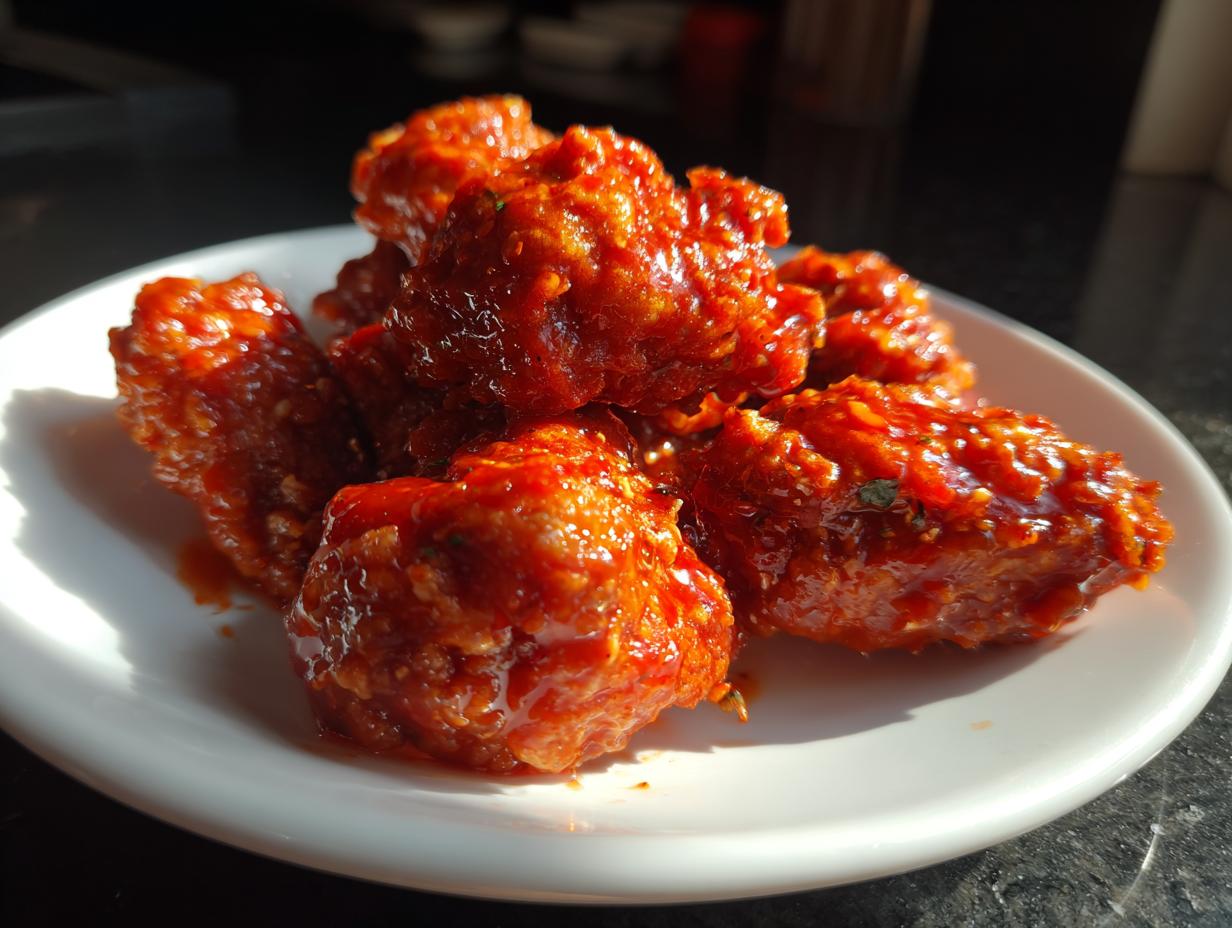
Oh, you know that sound, right? That perfect, shatteringly loud *CRUNCH* you only get from truly amazing fried chicken? I live for that moment. If you have been dreaming of ditching takeout and finally mastering authentic, ultra-crispy korean fried chicken right in your own kitchen, then stop scrolling—this is officially your last stop. Here at Kings Cook, I’ve tested and re-tested every step to make sure you get that takeout perfection, every single time. My secret? It’s all about mastering the double-fry technique for unbelievable crispiness. Plus, I’m giving you the road map for not just one, but two incredible classic sauces!
- Why This Is The Best Korean Fried Chicken Recipe At Home
- Ingredients Needed for Korean Fried Chicken
- Step-by-Step Instructions for Homemade Korean Fried Chicken
- Expert Tips for the Best KFC Recipe At Home
- Serving Suggestions for Your Easy Korean Chicken Dinner
- Storage and Reheating for Leftover Korean Fried Chicken
- Frequently Asked Questions About Authentic Korean Fried Chicken
- Nutritional Estimates for Your Korean Fried Chicken Meal
- Share Your Crispy Korean Fried Chicken Creations
Why This Is The Best Korean Fried Chicken Recipe At Home
I promise you, once you make this, you won’t go back to calling out for delivery. I test everything here rigorously so you don’t have to worry about disappointing results. This recipe guarantees that addictive crunch!
- It uses a buttermilk marinade to keep the meat incredibly juicy.
- The coating relies on potato starch for that signature light crispiness.
- It perfectly showcases the crucial double-fry method for authenticity.
Achieving Next-Level Crispiness with the Double Fry
The double fry isn’t just extra work; it’s the magic trick! The first quick fry cooks the chicken all the way through, locking all those lovely juices in. Then, after resting, we hit it with super-hot oil on the second fry. That quick blast turns the light coating into that impossibly shatter-crisp shell true authentic Korean fried chicken needs.
Ingredients Needed for Korean Fried Chicken
Okay, let’s talk about what you need to gather. Don’t panic if some things look a little different than what you usually keep stocked! This list is broken down so you aren’t mixing up your sauce spices with your dry coating. Remember, what you use here really matters for that signature snap!
For the Chicken and Dry Coating
This is where we prep the meat for maximum flavor absorption and that incredible crunch. For superior crispiness in your korean fried chicken, paying attention to the starch is key. Definitely try to find potato starch if you can!
- 2 lbs chicken pieces (wings, drumettes, or thighs—your choice!)
- 1 cup buttermilk
- 1 teaspoon salt
- 1/2 teaspoon black pepper
- 1 cup potato starch (or cornstarch—don’t skip this part!)
- 1/2 cup all-purpose flour
- 1 teaspoon baking powder
- Vegetable oil, for frying (You’ll need plenty for deep-frying!)
For the Classic Sweet and Spicy Chicken Glaze
This is the heart of the flavor! That bright red glaze is what makes this spicy Korean fried chicken so addictive. Gochujang is essential here; it brings that fermented depth that just can’t be faked.
- 1/4 cup gochujang (Korean chili paste—the star!)
- 3 tablespoons honey
- 2 tablespoons soy sauce
- 2 tablespoons rice vinegar
- 1 tablespoon brown sugar
- 1 clove garlic, minced
- 1 teaspoon grated fresh ginger
- For Garnish (Optional):
- 1 teaspoon sesame seeds
- 1 green onion, sliced
Step-by-Step Instructions for Homemade Korean Fried Chicken
Alright, you’ve got your ingredients lined up! Now we get into the hands-on part, and trust me, following these steps exactly is how we get that amazing takeout texture. We want juicy chicken wrapped in a crunchy armor, so pay attention to the timing, especially around the oil!
Marinating and Coating the Chicken
First, get that chicken soaking! We marinate it in buttermilk, salt, and pepper for at least an hour, or up to four hours in the fridge. That buttermilk tenderizes the meat beautifully. Once it’s time to coat, take the chicken out, let the thick excess drip off, and then dredge it super well in that starch and flour mix. It’s important to press that coating firmly onto the chicken—really pack it on! Shake off the major leftovers, and we’re ready for the heat.
The Crucial Double Fry Technique for Korean Fried Chicken
This is where the magic happens! Heat your oil to 325°F (160°C). Fry the chicken in small batches—do not overcrowd the pot, or the oil temperature will drop and you’ll get soggy homemade Korean fried chicken. Fry for about 8 to 10 minutes until it’s cooked through and pale golden. Scoop it out onto a wire rack and, this is super important, let it rest on that rack for a full 15 minutes. This rest lets steam escape! Then, crank that oil up to 375°F (190°C) and fry them again for just 2 to 3 minutes until they are deep golden brown and CRAZY crispy.
Making the Sauce and Final Glazing
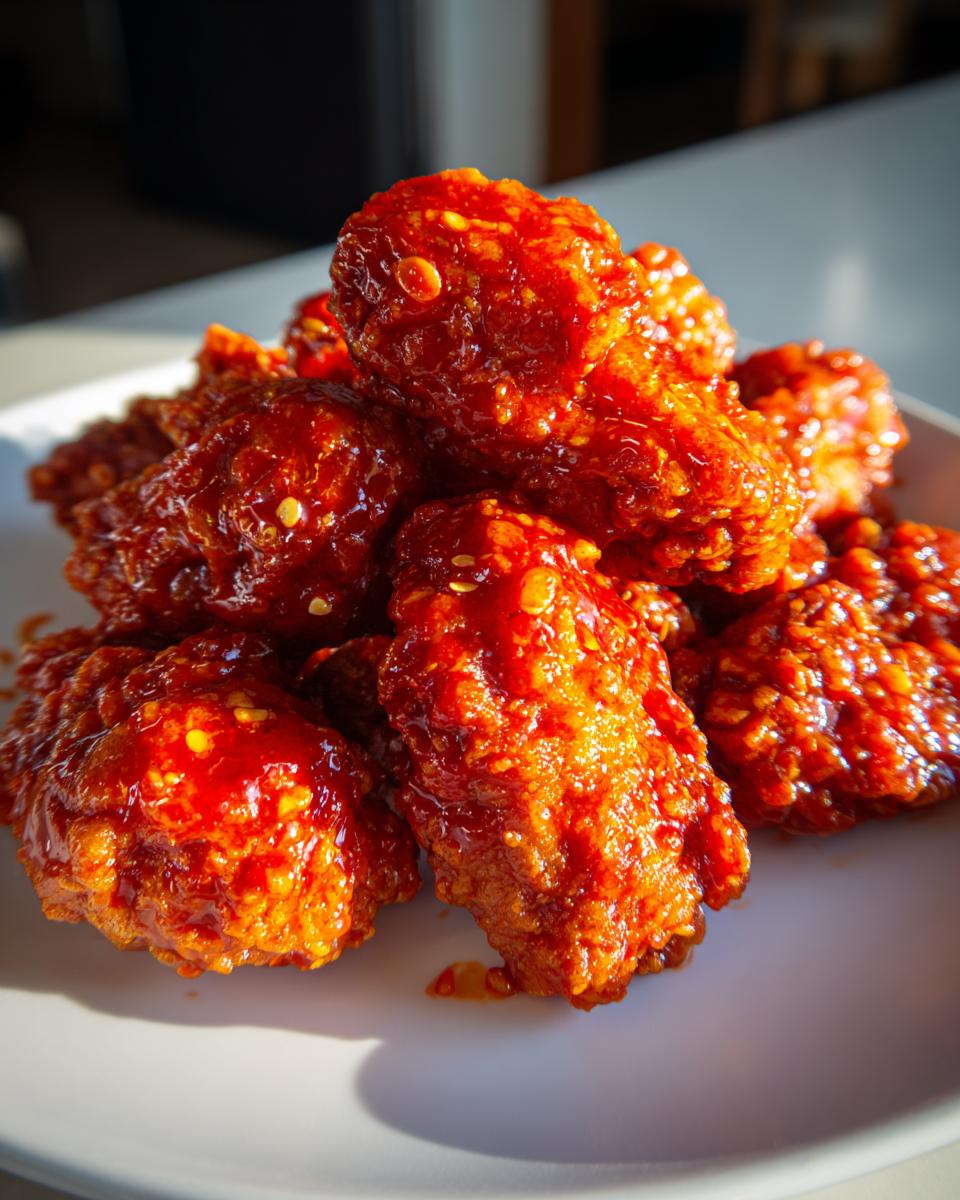
While the chicken is resting, gently heat up all your sauce ingredients—gochujang, honey, soy sauce, all of it—in a small saucepan until it thickens just a bit. Once your chicken is done with its second fry and still piping hot, toss it right into a big bowl with the sauce. You have to move fast here! Toss gently but quickly until everything is coated. That fast toss prevents the gorgeous crust from getting soggy, locking in that perfect sticky gochujang chicken wings recipe flavor!
Expert Tips for the Best KFC Recipe At Home
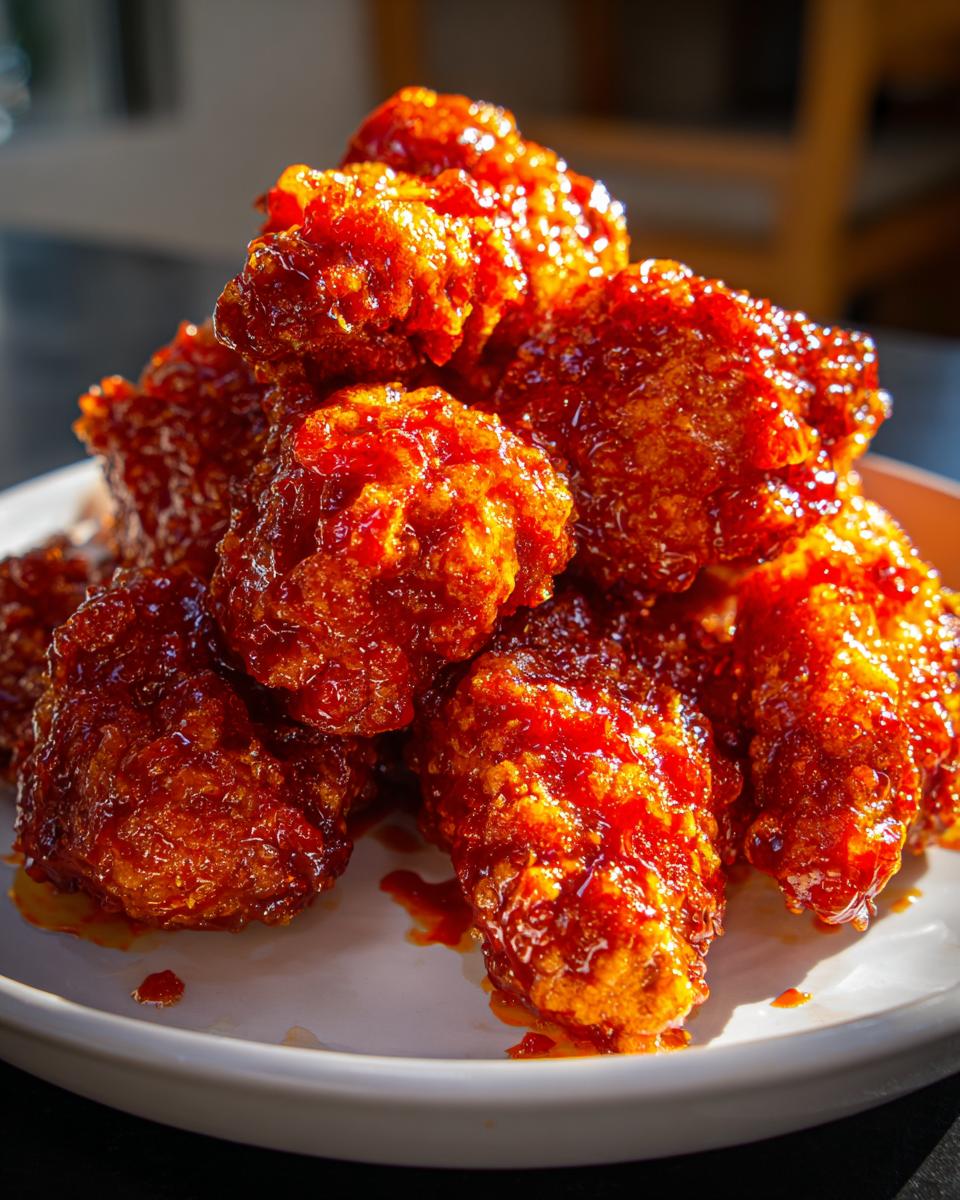
I’ve learned a few things the hard way making this at home, so please learn from my mistakes! The biggest mishap I ever had was overcrowding the pot during the first fry. Seriously, don’t do it! Your oil temperature tanks, and suddenly, your best KFC recipe at home turns into rubbery mush instead of that perfectly juicy fried chicken technique we aim for.
Also, that resting time between the two fries? It’s non-negotiable. It lets the exterior structure firm up so it survives its second plunge into the hot oil. If you don’t rest it, that beautiful coating will fall right off!
Ingredient Substitutions for Asian Crispy Chicken
I always recommend potato starch because it gives the absolute lightest, crispiest shell for your Asian crispy chicken, but if you only have cornstarch, it will still work just fine! And please, if you’re sensitive to heat or making this for little ones, don’t be afraid to cut back on that fiery gochujang in the sauce. I often reduce it by half and use brown sugar to boost the sweetness to maintain that amazing glazed finish.
Serving Suggestions for Your Easy Korean Chicken Dinner
It’s easy to get so focused on achieving that perfect crunch on the chicken that we forget what goes on the plate next to it! This crispy, savory, and sometimes spicy chicken is rich, so we need sides that offer a bright, fresh break. Seriously, you’ll want something cool and acidic to cut through that sticky glaze, making every bite feel like the first one!
This dish is absolute gold for gatherings. When the big game is on, or you just have a craving for something truly spectacular that feeds a crowd, this is your ultimate game day Korean chicken centerpiece. But you need balance!
Here are my go-to pairings to make this an easy Korean chicken dinner, not just a plate of fried food:
- Quick Pickled Radishes (Musaengchae): These are mandatory in my house! Slice up some daikon or cucumber super thin, toss with rice vinegar, a tiny bit of sugar, and salt, and let them sit while the chicken fries. They are so tangy and cold—the perfect palate cleanser.
- Simple Crunchy Slaw: Skip the heavy mayo dressing. I toss shredded cabbage and carrots with just a little sesame oil, a dash of lemon juice, and maybe some thinly sliced cilantro. It’s fresh, it crunches, and it doesn’t fight the glaze.
- Steamed White Rice: Sometimes, all you need is fluffy white rice to tame the intense salty-sweet flavor of the glaze. It catches all those delicious sauce drips!
- Light Green Salad: If you want something super easy, just toss mixed greens with a really light vinaigrette, maybe something with ginger dressing if you’re feeling adventurous. Keep the dressing thin; thick dressing weighs the whole meal down.
Honestly, the best part about serving this chicken is that it’s the star. Keep the sides simple, fresh, and bright, and everyone will remember how unbelievably crispy your chicken turned out!
Storage and Reheating for Leftover Korean Fried Chicken
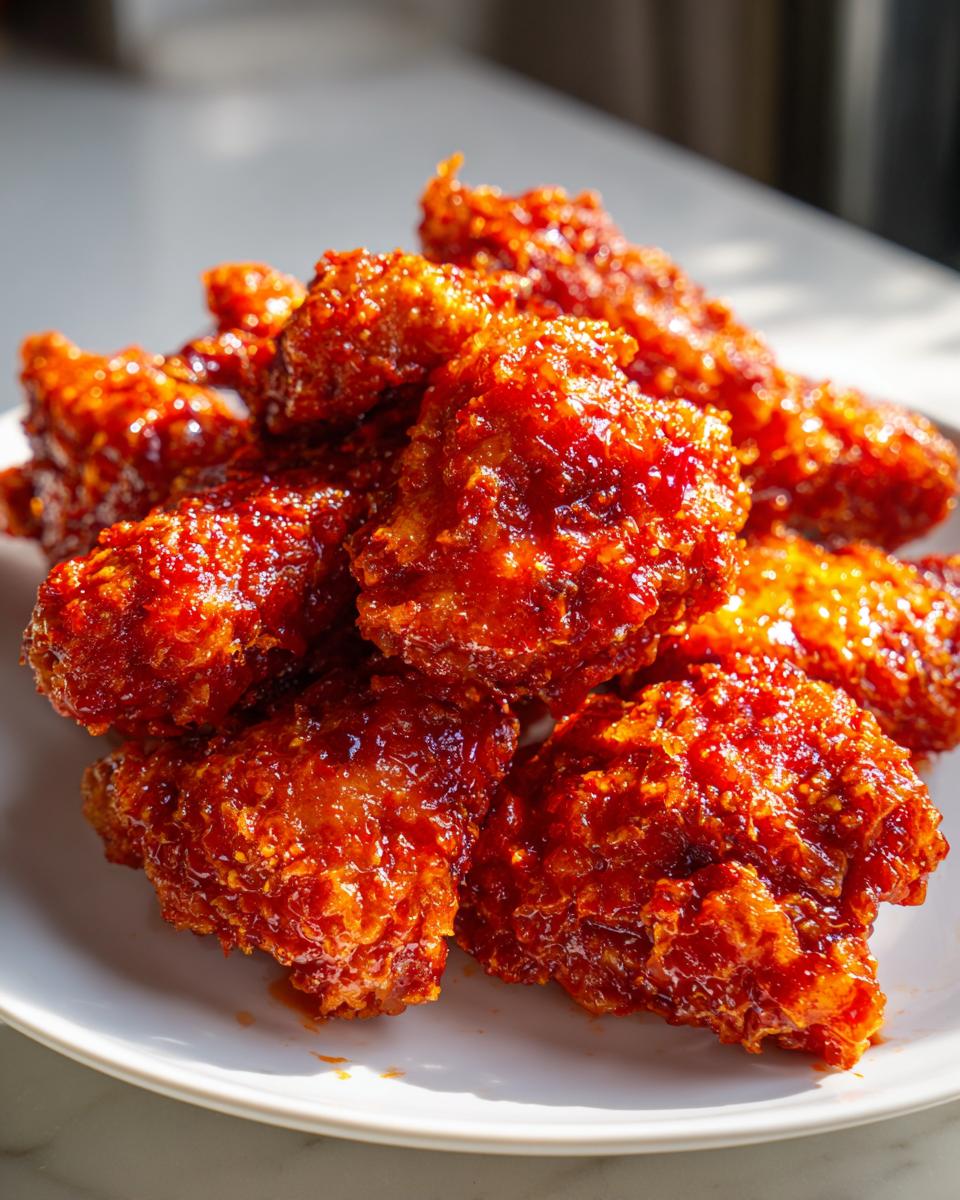
Okay, let’s be real. If you manage to have leftovers of this korean fried chicken, you deserve a medal! But if you do have some remaining pieces clinging to that amazing sauce, you want to store them correctly so you can enjoy them the next day.
My biggest rule here is speed and airflow. You absolutely must get these beauties into the fridge as soon as they cool down slightly after you’re done eating, but definitely wait until they aren’t piping hot anymore. Put them in a container that isn’t airtight—I just use a regular plastic container with the lid slightly ajar, or even better, layer them on a plate lined with paper towels and loosely cover them with foil. This lets a bit of moisture escape, which is crucial for texture retention.
The Only Way to Bring Back That Crunch
Now for the magic of resurrection! Throwing leftover fried chicken in the microwave is a culinary crime, okay? It steams the crust and turns that glorious, shatteringly crisp exterior into soft sadness. Don’t do it! We need dry heat if we want to bring back that double-fried glory.
You have two reliable ways to restore the crispness for your second meal:
- The Oven Method: This is my trusted way. Preheat your oven to about 375°F (190°C). Lay the chicken pieces out on a wire rack placed over a baking sheet. Don’t stack them! Pop them in for about 8 to 12 minutes. Keep an eye on them, especially if they are already sauced, but that dry heat will wick away enough moisture to reactivate the crunch.
- The Air Fryer Shortcut: If you have an air fryer, use it! It’s basically a miniature convection oven, so it works perfectly for reheating. Set it to 350°F (175°C) and cook for just 4 to 6 minutes. They come out unbelievably crispy, almost like they were just freshly made.
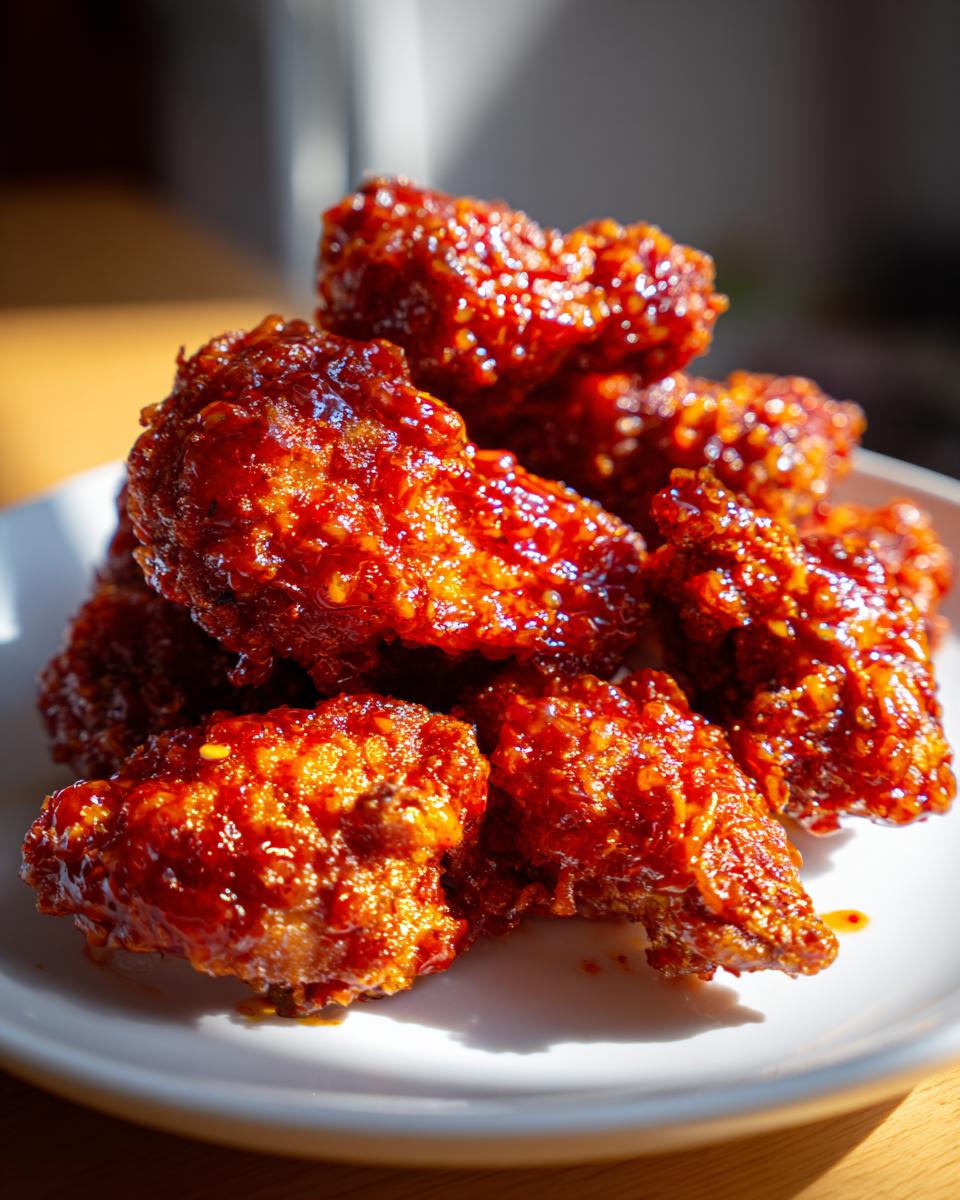
Remember, if the chicken is heavily coated in that sticky glaze, the reheating might take a tiny bit longer because the sugars in the sauce can caramelize quickly. Just watch the color, and you’ll have amazing leftovers ready for an easy Korean chicken dinner redo!
Frequently Asked Questions About Authentic Korean Fried Chicken
I always get so many great questions rolling in after people try this recipe, and that’s fantastic! It means you’re diving deep into what makes this authentic Korean fried chicken different from your standard takeout bucket. Getting those little details right is what takes us from good fried chicken to ‘I flew to Seoul for this’ fried chicken!
Can I make this Dakgangjeong recipe in an Air Fryer?
Totally, you can! Look, while the double-fry method gives you that restaurant-style crunch, the air fryer is great for cutting down on oil and mess, which I totally get for a weeknight meal. If you’re going that route for your Dakgangjeong recipe, try coating your pieces as usual, but instead of frying, bake them at about 380°F (195°C) for about 15 minutes. Then, take them out, crank the heat up to 400°F (205°C), and cook for another 5 to 7 minutes until they are truly golden. You might even skip my resting period since the heat transfer is gentler, but definitely aim for that two-stage cooking process for the best impact!
What is the difference between this and regular fried chicken?
That’s such a smart question! The major difference comes down to two things: the coating and the frying. Most simple American fried chicken relies heavily on flour and maybe some egg wash, which can create a thicker, fluffier crust. For this crispy Korean chicken recipe, we rely heavily on potato starch or cornstarch. This starch creates an incredibly thin, almost translucent armor that goes super brittle when fried. Combine that thin starch coating with the double-fry technique, and you get that famously thin, shatteringly crisp skin that just screams ‘Korean Fried Chicken’ the second you bite into it. It holds up better to the glaze, too!
We also rely on that buttermilk marinade for juiciness—regular fried chicken often skips that step! See? Little differences, HUGE payoff!
Nutritional Estimates for Your Korean Fried Chicken Meal
Now, I know when we’re talking about double-fried chicken coated in a sticky sweet and spicy glaze, we aren’t exactly aiming for a low-calorie salad here! But, knowing what you’re eating is important, even when it’s comfort food. I wanted to share the approximate nutritional breakdown for this recipe so you can plan your meal accordingly. Remember, because this recipe makes 4 generous servings and this is deep-fried indulgence, these numbers are estimates based on the ingredients listed in the recipe card.
Please keep in mind that frying oil absorption can really vary based on your frying temperature and rest time, so treat these numbers as a good guideline for your korean fried chicken feast.
- Serving Size: 4 pieces
- Calories: Approximately 650 per serving
- Fat: Roughly 35g total (with about 8g saturated fat)
- Protein: A solid 38g of protein to keep you full!
- Carbohydrates: Around 45g (this accounts for the starch coating and the sugary glaze)
- Sugar: Expect about 25g in that mouth-watering gochujang sauce.
This is definitely weekend food, not every-night food, but wow, is it worth it when you want that authentic, incredible crunch. Enjoy every single bite!
Share Your Crispy Korean Fried Chicken Creations
Wow, we did it! You’ve navigated the buttermilk marinade, you braved the double fry, and you’ve successfully made some of the most outrageously crispy Korean chicken recipe I’ve ever tasted outside of Seoul. I truly hope your kitchen smells incredible right now and that the crunch factor was off the charts!
Now, I genuinely want to see your results! Cooking should be a connection, and nothing makes me happier than seeing you all succeeding in creating these reliable, delicious meals.
If you absolutely loved this recipe—if it saved your dinner party or just made Tuesday feel like a celebration—please give it a rating below. Five stars if you think it’s the best KFC recipe at home you’ve ever tried!
Don’t be shy; drop your feedback in the comments. Tell me if you tried the soy garlic sauce too (maybe next time?) or what amazing side dish you paired with your sticky, spicy chicken. Seriously, upload a photo if you can—I love seeing your masterpieces! Happy cooking, everyone!
PrintUltra Crispy Double-Fried Korean Fried Chicken with Sweet & Spicy Gochujang Sauce
Make authentic, ultra-crispy Korean Fried Chicken at home using the double-fry technique. This recipe includes instructions for the classic sweet and spicy gochujang glaze, perfect for a satisfying dinner.
- Prep Time: 20 min
- Cook Time: 25 min
- Total Time: 1 hour 45 min
- Yield: 4 servings 1x
- Category: Dinner
- Method: Deep Frying
- Cuisine: Korean
- Diet: Non-Vegetarian
Ingredients
- 2 lbs chicken pieces (wings, drumettes, or thighs)
- 1 cup buttermilk
- 1 teaspoon salt
- 1/2 teaspoon black pepper
- 1 cup potato starch (or cornstarch)
- 1/2 cup all-purpose flour
- 1 teaspoon baking powder
- Vegetable oil, for frying
- For the Sweet & Spicy Gochujang Sauce:
- 1/4 cup gochujang (Korean chili paste)
- 3 tablespoons honey
- 2 tablespoons soy sauce
- 2 tablespoons rice vinegar
- 1 tablespoon brown sugar
- 1 clove garlic, minced
- 1 teaspoon grated fresh ginger
- For Garnish (Optional):
- 1 teaspoon sesame seeds
- 1 green onion, sliced
Instructions
- Prepare the chicken: Place the chicken pieces in a bowl. Pour buttermilk over the chicken, ensuring it is fully coated. Add salt and pepper, mix well, and let it marinate in the refrigerator for at least 1 hour, or up to 4 hours.
- Mix the dry coating: In a separate shallow dish, whisk together the potato starch, flour, and baking powder.
- Coat the chicken: Remove the chicken from the buttermilk, letting excess drip off slightly. Dredge each piece thoroughly in the dry coating mixture, pressing firmly to create a thick, even layer. Shake off any loose excess flour.
- First Fry: Heat about 3 inches of vegetable oil in a deep, heavy-bottomed pot or Dutch oven to 325°F (160°C). Carefully place the chicken pieces into the hot oil, ensuring you do not overcrowd the pot. Fry for 8 to 10 minutes until the chicken is cooked through and pale golden. Remove the chicken with a slotted spoon and place it on a wire rack set over a baking sheet. Let the chicken rest for at least 15 minutes.
- Prepare the sauce: While the chicken rests, combine all sauce ingredients (gochujang, honey, soy sauce, rice vinegar, brown sugar, garlic, and ginger) in a small saucepan. Heat over medium-low heat, stirring constantly until the sugar dissolves and the sauce thickens slightly, about 3 to 5 minutes. Remove from heat.
- Second Fry (For maximum crispiness): Increase the oil temperature to 375°F (190°C). Return the rested chicken pieces to the hot oil in batches. Fry for an additional 2 to 3 minutes until the crust is deep golden brown and extremely crispy. Remove and drain immediately on a clean wire rack.
- Glaze the chicken: Place the hot, double-fried chicken into a large bowl. Pour the prepared gochujang sauce over the chicken. Toss quickly and gently until every piece is evenly coated in the sticky glaze.
- Serve immediately, garnished with sesame seeds and sliced green onions.
Notes
- For the juiciest technique, ensure your oil temperature is accurate for both frying stages. Do not skip the resting period between the first and second fry.
- If you prefer a less spicy flavor, reduce the amount of gochujang in the sauce by half and substitute with ketchup or water.
- This recipe works well for wings, drumettes, or cut-up boneless thighs.
Nutrition
- Serving Size: 4 pieces
- Calories: 650
- Sugar: 25g
- Sodium: 850mg
- Fat: 35g
- Saturated Fat: 8g
- Unsaturated Fat: 27g
- Trans Fat: 0g
- Carbohydrates: 45g
- Fiber: 2g
- Protein: 38g
- Cholesterol: 120mg