

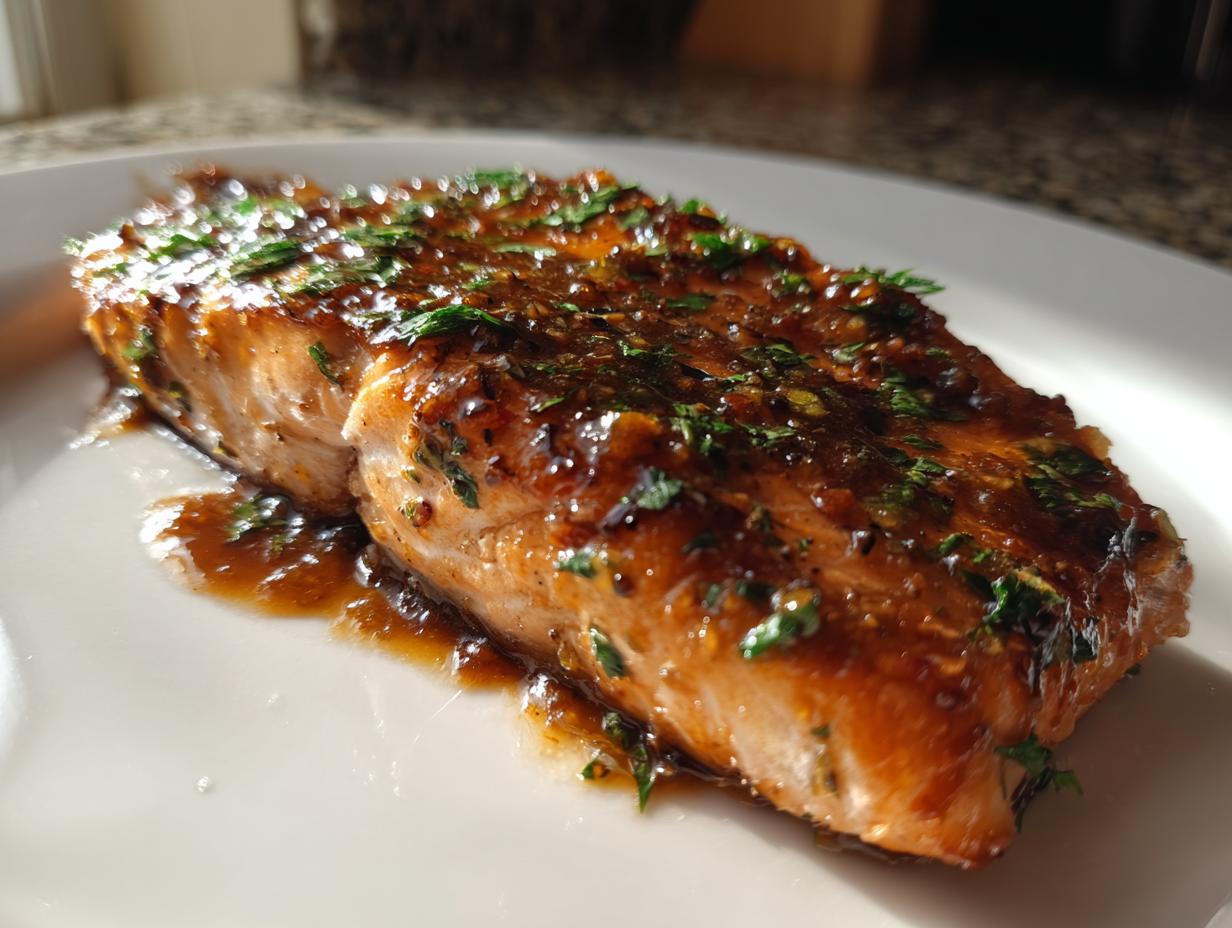
Can we just agree that ordering takeout for tonight’s dinner feels like a failure sometimes? I always want that restaurant flavor—but trust me, you don’t need to call ahead! This Texas Roadhouse Style Baked Salmon is my answer to those busy nights when I want a spectacular dinner on the table fast. We’re talking unbelievably moist and flaky salmon with that signature sweet and savory caramelized glaze that clings perfectly to the fish. Every single time I list a recipe here on Kings Cook, I’ve tested it dozens of times to make sure it works flawlessly in your home oven. This amazing baked salmon is ready in under 30 minutes, so ditch the delivery app and let’s make something incredible!
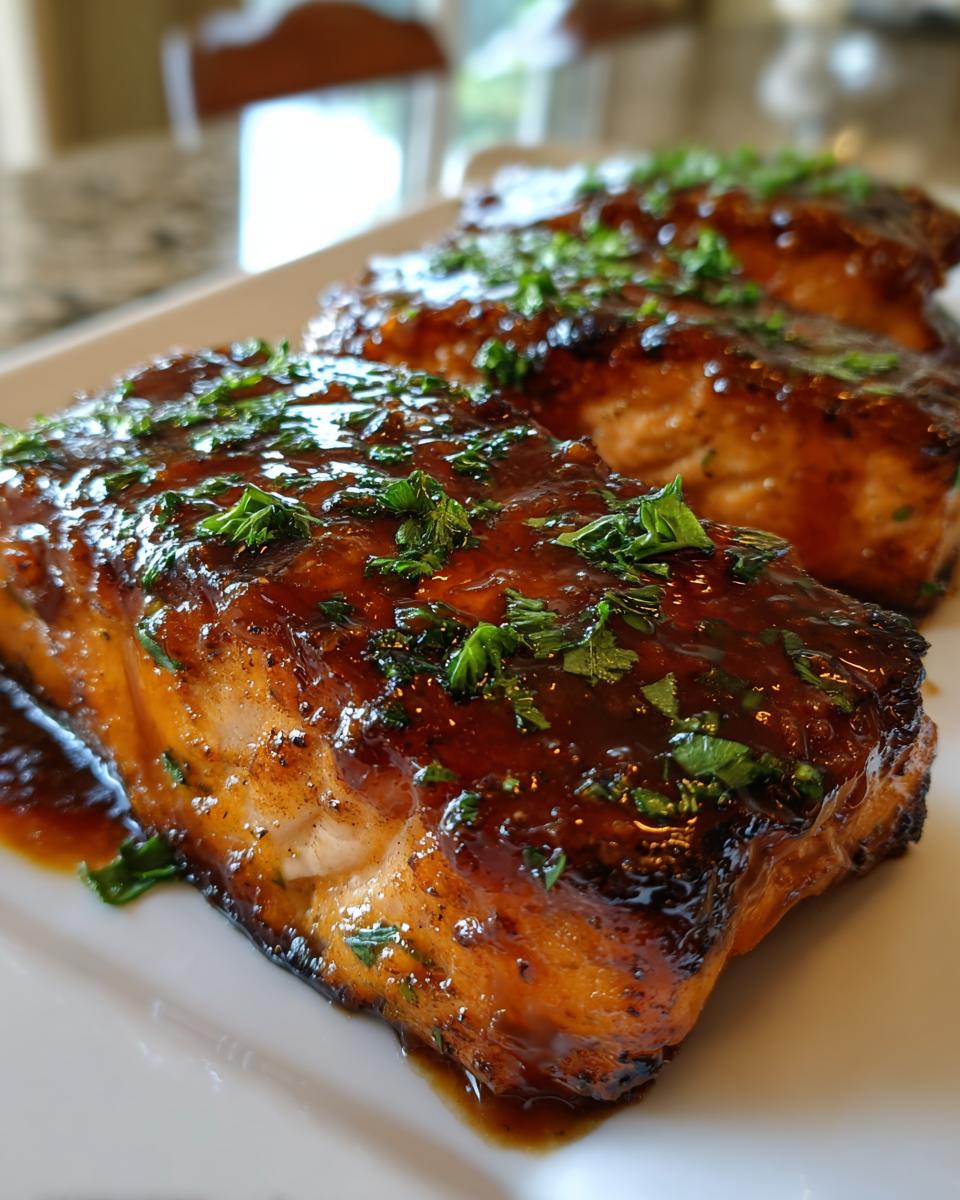
- Why This Texas Roadhouse Style Baked Salmon is Your New Weeknight Favorite
- Ingredients for the Best Baked Salmon Recipe
- Mastering the Glaze: Creating Your Simple Salmon Marinade
- Step-by-Step Instructions for Flaky Salmon Fillets
- Ingredient Notes and Substitutions for Your Salmon
- Serving Suggestions for Your Easy Salmon Dinner Ideas
- Storage and Reheating Instructions for Leftover Salmon
- Frequently Asked Questions About Baked Salmon
- Estimated Nutritional Data for This Flavorful Baked Fish
- Share Your Texas Roadhouse Style Salmon Creation
Why This Texas Roadhouse Style Baked Salmon is Your New Weeknight Favorite
Honestly, I developed this recipe because I was tired of sacrificing flavor during the week. This isn’t just some bland sheet pan fish; it’s pure indulgence that cooks incredibly fast. It truly delivers on a few key promises that matter when life gets busy:
- Quick Weeknight Salmon: Seriously, you only need about 10 minutes of prep time. It’s the definition of a Salmon in 30 Minutes meal.
- Texture Perfection: We nail that **Juicy Baked Salmon** interior while keeping the glaze caramelized. Nobody likes dry fish!
- Flavor Jackpot: It tastes exactly like that steakhouse version, giving you **Restaurant Quality Salmon at Home** without the wait or the huge bill.
You can trust me on this one; it’s a staple now. If you’re looking for more quick ideas, check out my collection of weeknight dinner recipes!
Ingredients for the Best Baked Salmon Recipe
When you’re making something this simple, the quality of your main ingredient really matters. I always try to buy thick-cut, beautiful fillets when possible, but whatever you find works as long as you pat them completely dry before glazing—that’s the quick trick for texture! For this steakhouse classic, you’ll need
- 4 (6 ounce) **salmon** fillets, skin on or off
- 2 tablespoons unsalted butter, melted
- 2 tablespoons honey
- 1 tablespoon Worcestershire sauce
- 1 teaspoon smoked paprika
- 1/2 teaspoon garlic powder
- 1/4 teaspoon onion powder
- 1/4 teaspoon black pepper
- 1/4 teaspoon salt
- 1 tablespoon fresh parsley, chopped (for garnish)
This list is short because the flavor comes mostly from the glaze, which we’ll tackle next. If you are interested in other simple ways to prepare this fish, take a peek at my guide for easy oven baked salmon.
Mastering the Glaze: Creating Your Simple Salmon Marinade
Okay, here’s where the magic for this amazing **salmon** happens! That signature sweet, savory, and slightly smoky flavor isn’t some complicated restaurant secret. It’s all in the glaze. I call this balancing act the sweet/savory sweet spot. You need the richness of melted butter, obviously, but the three heavy hitters are the honey, the Worcestershire sauce, and that beautiful smoked paprika.
The honey gives us the gorgeous caramelization on top, which helps us get those slightly crisped edges we crave. The Worcestershire? That’s your secret weapon for depth—it brings that earthy, slightly tangy, umami punch. And the smoked paprika? That gives us that hint of smoky flavor, mimicking a wood fire without actually needing a smoker. It’s what takes this from good to ‘Why didn’t I make this sooner?’
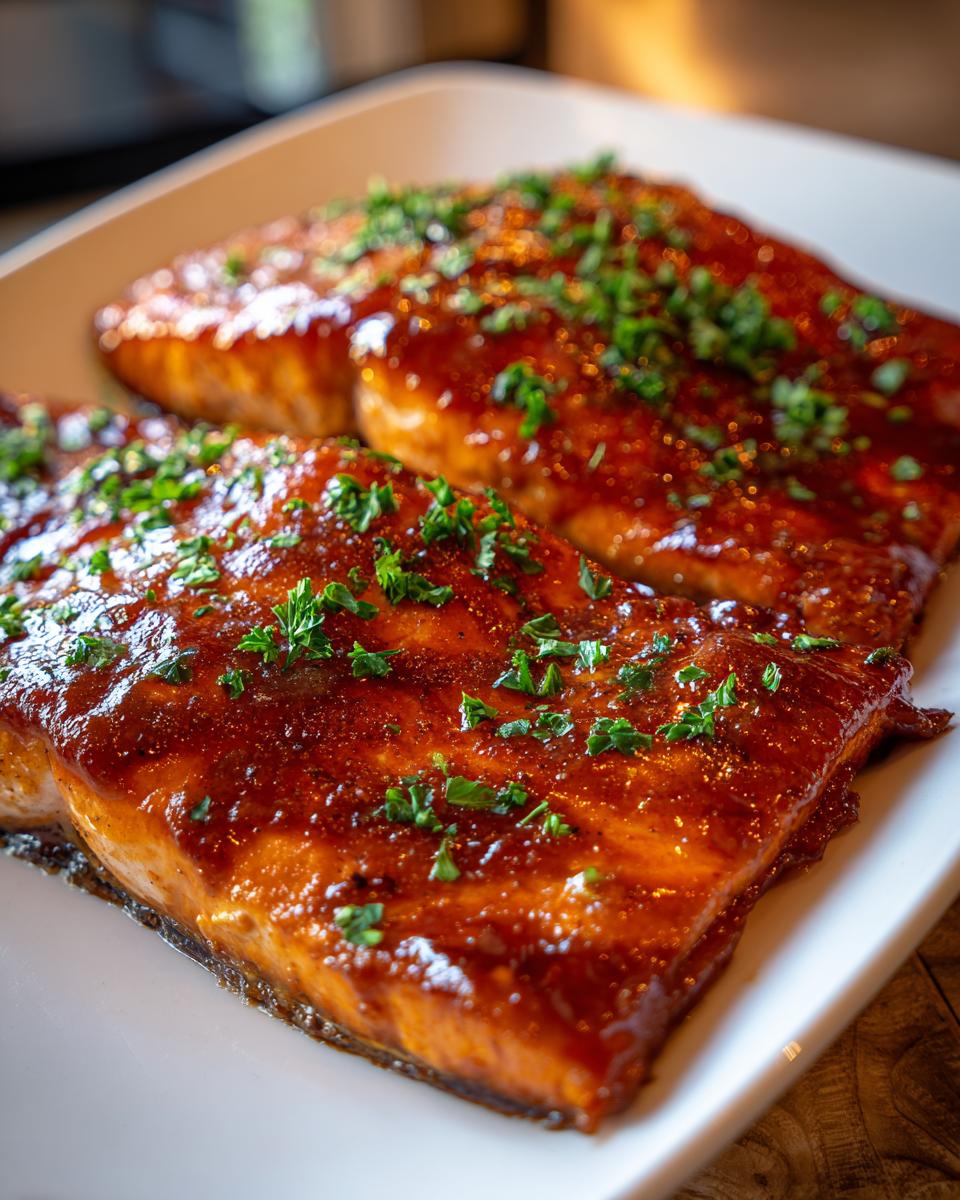
My expert tip for the whisking phase, which I learned from years of making glazes that sometimes separate? Whisk the honey and the melted butter together *first* until they look emulsified—almost creamy. Then, slowly drizzle in the Worcestershire while continuing to whisk vigorously. This helps everything blend smoothly so you get an even coating on every single fillet.
Tips for Achieving a Crispy Skin Salmon Finish
If you decide to use skin-on fillets, you absolutely deserve crispy skin! It’s a completely different texture experience, and I highly recommend it if you love that crunch. The key here has two parts: temperature and contact.
First, make sure your oven is hot—400 degrees is definitely the way to go for a quick bake. Second, don’t let the wet glaze sit directly on the skin for too long before baking. For the absolute crispiest finish, you need to get the skin directly onto a hot surface. I always recommend placing the **salmon** directly on a baking sheet lined with foil (not parchment paper, which traps steam), or even better, use a wire rack set over your baking sheet. The air circulation underneath is what crisps up the skin beautifully! If you want an extra crunch right at the end, watch it closely and flick the broiler on high for just 60 or 90 seconds until you see those edges bubble.
Step-by-Step Instructions for Flaky Salmon Fillets
Now that we have our beautiful, glossy glaze ready to go, the actual cooking part moves super fast. This is why this recipe is perfect for busy nights—you walk away and come back to restaurant-quality results! Remember, the heat needs to be high to caramelize that sugar in the glaze but fast enough to keep the inside of the **salmon** moist and tender.
- First things first: Get your oven going! Preheat it to 400 degrees Fahrenheit (200 Celsius). I hate waiting for an oven to heat up, so get this going right away. Line your baking sheet with parchment paper or foil—I always go foil if I’m worried about sticking, though parchment is easier to clean up later! Then, place your fillets on the prepared sheet.
- Grab those paper towels! Listen, you have to pat those **salmon** fillets totally dry. Seriously, moisture on the outside equals steamed fish, not baked and glazed perfection. Do it until they feel slightly tacky, not wet.
- Time to paint! Brush or spoon that gorgeous glaze mixture evenly over the top surface of each fillet. Don’t worry about drizzling the sides too much; we want the flavor right on top where it can caramelize nicely.
- Pop it in! Bake for just 12 to 15 minutes. I know, it seems fast, but that high heat does the job quickly. This timing ensures you get perfectly flaky salmon that melts on your tongue. If you’ve paired it with asparagus, check out my sheet pan salmon and asparagus guide for timing tips!
- The final touch—and this is key if you want those restaurant edges like the folks at Texas Roadhouse! If the fish looks done but you want a little extra caramelization, quickly switch your oven to broil for the last minute or two. Keep your eye glued to the oven door during this part, trust me, you don’t want burnt sugar!
- Pull it out, cover it loosely with foil, and let it rest for about five minutes. This resting time locks in all the juices, guaranteeing you serve up incredibly juicy baked salmon. Garnish with fresh parsley right before serving for that pop of color.
Baking Times for Perfect Salmon
The 12 to 15-minute window is my standard for the 6-ounce fillets I usually buy. But listen, not all *salmon* fillets are created equal, right? If yours are super thin—maybe only half an inch thick—they might be done closer to 10 minutes. If you have really thick beauties, say almost an inch and a half thick, you might push it to 18 minutes.
How do you know for sure? Forget the timer for a second and check for flaking. Gently insert a fork or the tip of a sharp knife into the thickest part of the fillet and give it a slight twist. If it separates effortlessly into opaque, clean flakes, it’s done! If the center still looks slightly translucent or jiggly, put it back in for two more minutes. That’s how you ensure it’s tender instead of tough—we are aiming for that perfect, flaky result every single time.
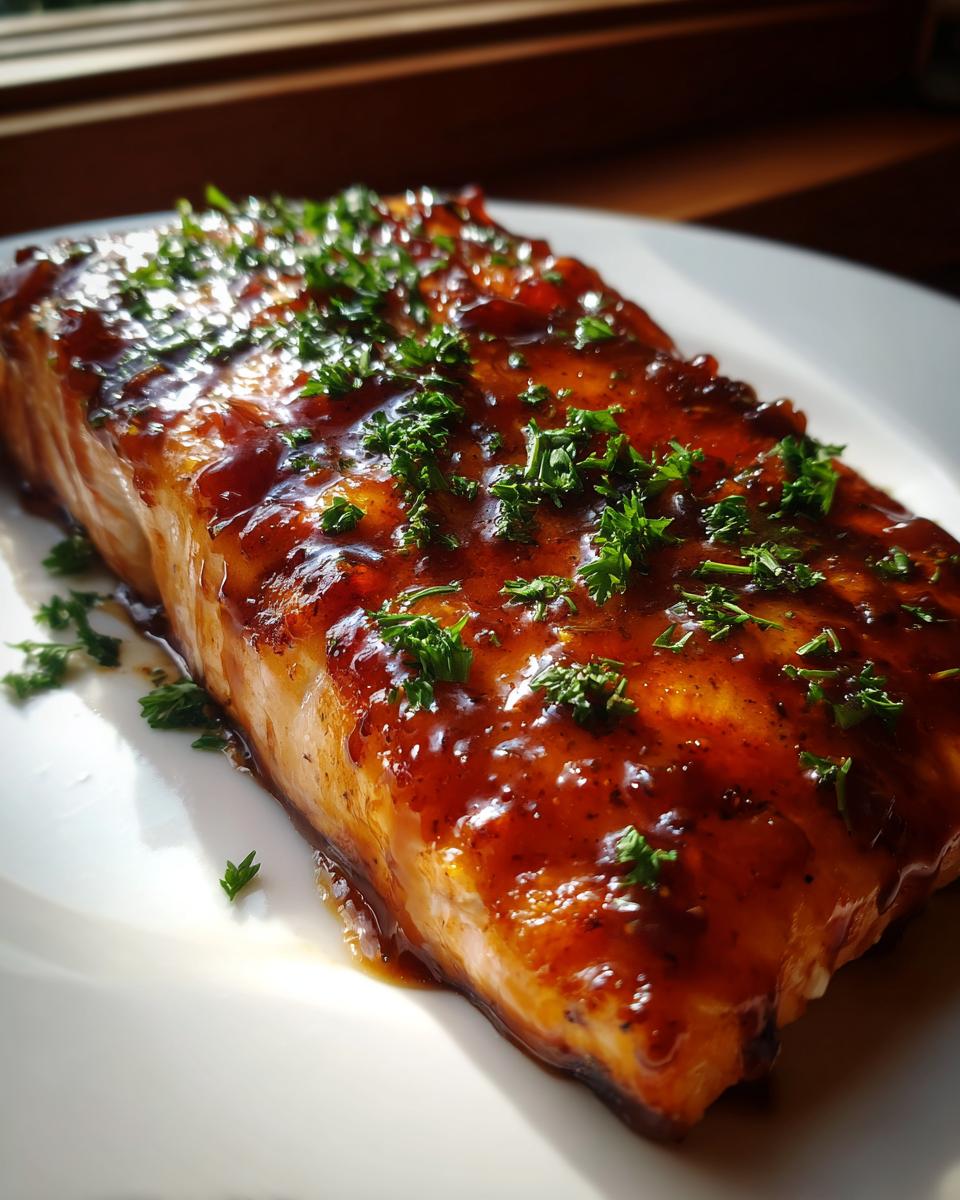
Ingredient Notes and Substitutions for Your Salmon
Even though I preach following the recipe exactly when it comes to classics like this amazing **salmon**, I know life happens! You open the pantry, and oh no—you’re out of Worcestershire sauce. Don’t panic! That’s why I always include notes on flexibility; it helps you feel confident even when you’re missing one tiny thing. My goal is to help you feel great about cooking, not guilty about substitutions.
Let’s talk sweetness first. If you’re out of honey, maple syrup is a fantastic backup. Since the recipe is for a sweet and savory glaze, using maple syrup still gives you that essential sticky, caramelized top layer. You might find the flavor leans a tiny bit earthier versus the floral notes of honey, but honestly, once it’s baked on that fish? Nobody can tell the difference! Try it next time if you want to mix things up.
That little bit of Worcestershire sauce is crucial for that deep, almost caramelized, umami flavor that mimics restaurant cooking. If you don’t have any, you can try mixing one teaspoon of low-sodium soy sauce with about half a teaspoon of balsamic vinegar. It gives you that salty depth and acidity that cuts through the butter and honey. It won’t be *exactly* the same, but it keeps that dark, rich color we want on our **salmon** fillets. Always make sure your substitutions are measured carefully, though!
Serving Suggestions for Your Easy Salmon Dinner Ideas
This particular **salmon** recipe, with that rich, sweet, and slightly tangy glaze, is incredibly versatile, which is why I love it for weeknight dinners! While it’s fantastic all on its own, it really shines when paired with some simple, savory sides that soak up just a tiny bit of extra glaze runoff from the baking sheet. It’s all about balancing the richness, you know?
Of course, you can never go wrong with rice. A simple bed of fluffy white rice or even some brown rice works great to catch those delicious caramelized bits. But if you want to stick with that Southern steakhouse feeling you get from this recipe, I always gravitate towards potatoes. Seriously, you have to try these garlic herb roasted potatoes alongside your fish. The savory herbs and garlic are the perfect counterpoint to the sweet honey glaze on the **salmon**.
If you’re trying to keep things really light and speedy—because sometimes 25 minutes isn’t fast enough!—then keep it green. Steamed asparagus or quick-sautéed broccoli florets seasoned with just a little squeeze of lemon juice are fantastic. A simple green veggie brightens up the plate and makes the whole meal feel incredibly healthy and satisfying. Whatever you pick, the main star—that gorgeous, flaky **salmon**—is going to steal the show every time!
Storage and Reheating Instructions for Leftover Salmon
The wonderful thing about this recipe is that even the leftovers hold up surprisingly well! Unlike some fish that get weird and dry overnight, this glazed **salmon** tends to stay quite juicy because of that honey glaze locking in the moisture during baking. But you still have to treat leftovers right, or you risk losing that beautiful texture we worked so hard to achieve.
When storing, the key is to get it into an airtight container as soon as it’s completely cool. I usually seal mine up quickly and pop it in the fridge. You should aim to eat any leftovers within two, maybe three days max. Any longer than that, and you start sacrificing that fresh-from-the-oven quality, even if the fish is technically safe to eat.
Reheating is where most people go wrong, making their gorgeous **salmon** tough! Never, ever blast it in the microwave on high heat—that just steams the outside until it gets rubbery. To keep it juicy, I have two favorite ways to bring this back to life.
The best method for maintaining flakiness is low and slow heat. Set your oven to a super low temperature, maybe 275 degrees. Place the cold salmon fillet in a small, oven-safe dish and add just a teaspoon of water or chicken broth to the bottom of the dish. Cover the dish tightly with foil—it needs to steam gently. Heat it for about 10 to 12 minutes, or until it’s just warmed through. That little bit of moisture keeps it tender!
If you’re in a real rush and only reheating one portion, you can flash-sear it in a non-stick pan. Preheat a pan over medium-low heat with just a tiny amount of olive oil. Place the **salmon** flesh-side down for maybe 30 seconds just to pick up a little bit of heat, then flip it over for another 45 seconds. The goal isn’t to cook it more, just to warm it gently. This method sometimes even adds a little extra crispness back to those edges. Trust me, using gentle heat is the secret to enjoying leftover baked fish!
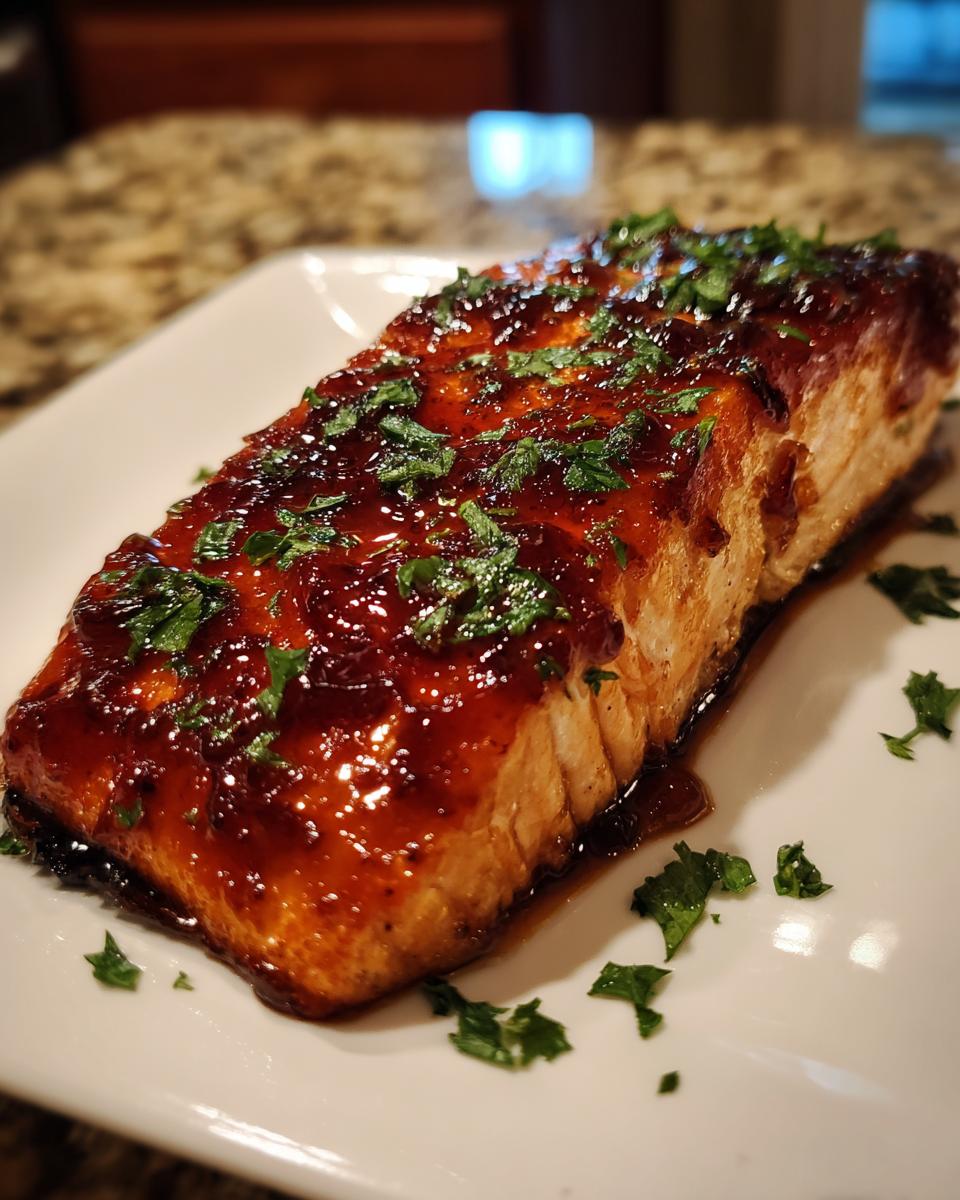
Frequently Asked Questions About Baked Salmon
I know when you’re trying a new recipe, especially for something as delicate as **salmon**, you’ve probably got a few nagging questions hiding in the back of your mind. I get it! I’ve gathered a few of the most common things people ask me about getting this dish—or any **Healthy Salmon Meal**—just right. Hopefully, this covers what you’re wondering!
Can I use frozen salmon fillets instead of fresh ones?
Yes, you absolutely can use frozen **salmon**, but you have to thaw it properly first. You absolutely cannot bake it straight from frozen, or the outside will turn to mush while waiting for the inside to catch up. I recommend wrapping the frozen fillets tightly and letting them thaw slowly overnight in the refrigerator. If you forget, you can do a fast thaw: seal the fish in a zip-top bag and submerge that bag in a bowl of cold water. Change the water every 30 minutes until it’s mostly thawed. Then, just make sure you pat it bone-dry before applying the glaze!
Can I adapt this recipe for my Air Fryer?
Oh, I love using the air fryer for fish! It’s brilliant for getting that crispy exterior we talked about without even needing the broiler. If you’re looking for a full guide, definitely check out my Air Fryer Salmon Bites recipe, but for this Texas Roadhouse style glaze? Absolutely. Preheat your air fryer basket to 380°F. Brush the glaze on and cook for about 10 to 12 minutes total. Because the air fryer circulates heat so aggressively, it cooks faster, so start checking around the 10-minute mark to see if your **salmon** is flaking perfectly. It gives you a fantastic texture!
What is the safe final internal temperature for baked salmon?
Food safety first, always! For **salmon**, and most seafood really, you want to see 145°F internally, according to the USDA. However, I feel like fish tends to look overdone right at that temperature. Most chefs, myself included, pull it off the heat when it hits about 135°F to 140°F. Why? Because carry-over cooking takes it the rest of the way while it rests during those crucial five minutes after coming out of the oven. This guarantees you get that lovely, **Juicy Baked Salmon** consistency instead of something too firm.
Is using Worcestershire sauce necessary for this recipe?
It really is the backbone of that authentic, savory, steakhouse flavor profile! The deep, slightly fermented, umami quality from the Worcestershire sauce is what cuts through the sweetness of the honey and balances the smoked paprika. While you *could* omit it if you have a serious aversion, you’d be missing that characteristic flavor we’re trying to achieve. I highly recommend finding a substitute like soy sauce mixed with a tiny bit of vinegar if you must skip it, just so you get that dark, complex baseline flavor our baked **salmon** needs.
Estimated Nutritional Data for This Flavorful Baked Fish
I always get requests for the nutrition breakdown, and honestly, I love that so many of you are keeping track! It’s fantastic that we can make something that tastes this indulgent—like we just visited a big steakhouse—but still fits into a real, healthy meal plan. Remember, cooking at home gives you so much control over what actually goes into your food, which is huge, right?
The numbers below are an estimate based on the ingredients listed for a single serving (one fillet) when this recipe yields four portions. Things like the specific cut of fish you choose or if you skip the garnish can change things a little bit, so take these as a great guideline rather than a strict scientific measurement. I always say, if it tastes amazing and makes you feel good, you’re doing great!
Here is the breakdown we calculated:
- Serving Size: 1 fillet
- Calories: 320
- Sugar: 8g
- Sodium: 350mg
- Fat: 18g
- Saturated Fat: 7g
- Unsaturated Fat: 11g
- Trans Fat: 0g
- Carbohydrates: 9g
- Fiber: 0g
- Protein: 30g
- Cholesterol: 85mg
See that protein number? Thirty grams of lean protein in every serving! That’s why I love this so much as a **Healthy Salmon Meal** option. It keeps you feeling full and satisfied for hours without weighing you down. It’s really a perfect balance of flavor and nutrition, all wrapped up in that beautiful sweet and savory glaze we mastered earlier.
Share Your Texas Roadhouse Style Salmon Creation
Well, we made it! I am so thrilled you took the time out of your busy schedule to create this restaurant-worthy dish at home. I truly believe that when you follow these steps, you end up with the most flavorful, perfectly flaky, and juicy baked fish you’ve ever made.
Now, the most important part of my kitchen is hearing from you! Did this hit the mark? Did you achieve that crispy, caramelized top layer we were aiming for? Please, please, please come back down here and leave this recipe a 5-star rating. A little click helps other folks find this amazing dinner idea, and those comments about the texture make my day!
Also, if you snapped a picture of your beautiful glazed fillets, you simply have to tag me on social media! I love seeing your dinner table setups and hearing how this simple dish made your weeknight feel a little more special. It’s such a joy seeing my recipes travel from my kitchen to yours.
If you’re feeling inspired and want to learn a little more about the mission behind Kings Cook and how I test every single recipe to make sure it works perfectly for you, head over to my About Page! Thank you again for cooking with me. Happy eating!
PrintTexas Roadhouse Style Baked Salmon with Sweet and Savory Glaze
Make restaurant-quality Texas Roadhouse Style Baked Salmon at home. This easy recipe delivers incredibly moist and flaky salmon with a sweet and savory caramelized glaze.
- Prep Time: 10 min
- Cook Time: 15 min
- Total Time: 25 min
- Yield: 4 servings 1x
- Category: Dinner
- Method: Baking
- Cuisine: American
- Diet: Low Fat
Ingredients
- 4 (6 ounce) salmon fillets, skin on or off
- 2 tablespoons unsalted butter, melted
- 2 tablespoons honey
- 1 tablespoon Worcestershire sauce
- 1 teaspoon smoked paprika
- 1/2 teaspoon garlic powder
- 1/4 teaspoon onion powder
- 1/4 teaspoon black pepper
- 1/4 teaspoon salt
- 1 tablespoon fresh parsley, chopped (for garnish)
Instructions
- Preheat your oven to 400 degrees Fahrenheit (200 Celsius). Line a baking sheet with parchment paper or aluminum foil for easy cleanup.
- Pat the salmon fillets dry using paper towels. Place the fillets on the prepared baking sheet.
- In a small bowl, whisk together the melted butter, honey, Worcestershire sauce, smoked paprika, garlic powder, onion powder, black pepper, and salt to create the glaze.
- Brush or spoon the glaze mixture evenly over the top of each salmon fillet.
- Bake for 12 to 15 minutes, depending on the thickness of your fillets, until the salmon is cooked through and flakes easily with a fork. For crispier edges, you can briefly broil for the last 1-2 minutes, watching closely to prevent burning.
- Remove from the oven. Garnish with fresh chopped parsley before serving.
Notes
- For extra crispy skin, place the salmon skin-side down on a wire rack set over the baking sheet before glazing and baking.
- This recipe works well for quick weeknight dinners and results in juicy baked salmon.
- You can substitute maple syrup for honey if you prefer a slightly different sweetness profile.
Nutrition
- Serving Size: 1 fillet
- Calories: 320
- Sugar: 8
- Sodium: 350
- Fat: 18
- Saturated Fat: 7
- Unsaturated Fat: 11
- Trans Fat: 0
- Carbohydrates: 9
- Fiber: 0
- Protein: 30
- Cholesterol: 85