

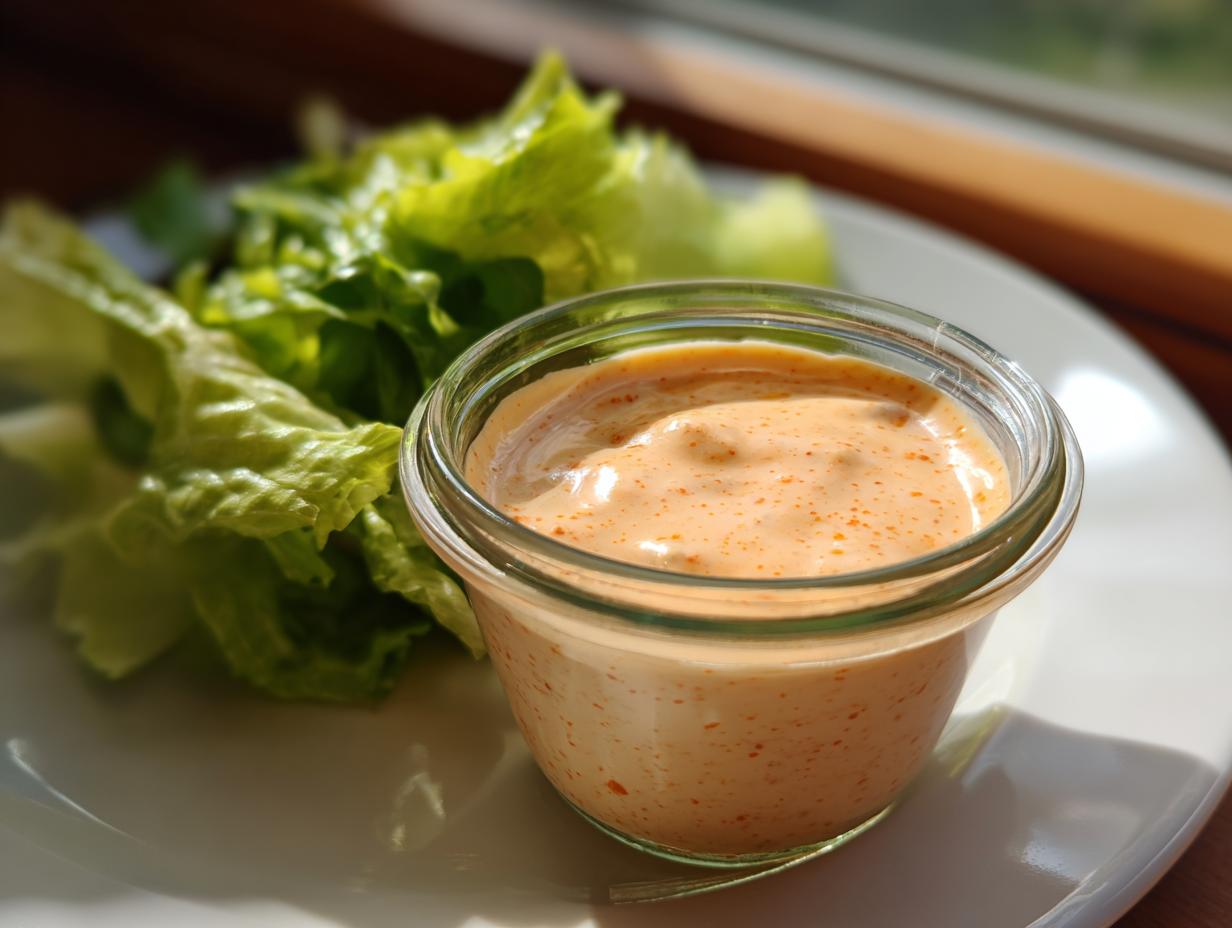
Are you tired of staring down a sad, watery bottle of store-bought salad dressing, wondering what exactly all those unpronounceable ingredients are doing in there? Trust me, I’ve been there. When I was studying nutrition science, opening up the ingredient list on commercial products just confirmed my fears—there had to be a better, cleaner way to dress a simple green salad.
That’s why I put together this ultimate guide! Forget complicated techniques and endless trips to specialty stores. Here at Kings Cook, my goal is simple: to help you feel completely confident whipping up fantastic flavors right on your counter. You’re going to get three incredibly reliable, super easy, homemade salad dressing recipes today. We’ve got a versatile everyday vinaigrette, a rich creamy ranch style, and a perfectly balanced maple Dijon. These take five minutes, and I promise, they’ll make you ditch the bottle for good! If you want to read more about my kitchen philosophy, check out my About Page!
- Why Make Your Own Salad Dressing? The Kings Cook Promise
- Essential Ingredients for Perfect Homemade Salad Dressing Recipes
- Recipe 1: The Everyday Vinaigrette Salad Dressing
- Recipe 2: Maple Dijon Vinaigrette Salad Dressing
- Recipe 3: Creamy Southwest Ranch Salad Dressing Ideas
- Serving Suggestions and Flavorful Salad Toppings
- Storage and Meal Prep for Homemade Salad Dressing
- Frequently Asked Questions About Making Salad Dressing
- What to Cook Next After Mastering Salad Dressing
Why Make Your Own Salad Dressing? The Kings Cook Promise
Honestly, once you see how simple it is to make your own salad dressing, you’ll never go back to the shelf. I’ve tested every single recipe here rigorously in my own home kitchen so you don’t have to waste a drop of olive oil on a failed batch!
The switch is huge for three main reasons:
- Better Flavor: Fresh ingredients just taste brighter and livelier!
- Healthier Choices: You control exactly what goes in.
- Cost Savings: It’s surprisingly affordable to whip up a batch.
When you commit to these homemade salad dressing recipes, you’re getting that real, clean-eating flavor every time. You can find some of my favorite quick ideas for using them over on my Easy Lunch Ideas page too!
Ingredient Control for the Best Healthy Salad Dressings
This is the biggest game-changer for me, thanks to my background in nutrition. Store-bought dressings are often packed with sugars, weird stabilizers, and too much sodium. When you’re making this at home, you are the boss! You get to use real oils and fresh citrus, keeping your meals truly clean.
Essential Ingredients for Perfect Homemade Salad Dressing Recipes
Before we jump into shaking jars, let’s talk about the building blocks. Every single jar of incredible homemade salad dressing recipes relies on three simple players: the fat, the acid, and the emulsifier. Get those ratios right, and you can make limitless flavor combinations!
The fat is usually a quality olive oil—it carries all the flavor and gives you that satisfying mouthfeel. Then you need the acid, like lemon juice or vinegar, for that necessary zip and brightness. Finally, the emulsifier, which is just a fancy word for what holds the oil and acid together so your dressing doesn’t immediately separate into an oily slick on top of your beautiful greens. Dijon mustard is my MVP emulsifier, trust me!
I’m obsessed with keeping things easy and accessible, so you won’t need any specialty equipment here. You can find all the basics at any grocery store, which keeps our whole endeavor budget-friendly!
Ingredient Notes and Simple Substitutions for Your Salad Dressing
The beauty of these bases is their flexibility. If you don’t have lemon juice for our first recipe, swap in white wine vinegar—it works just as wonderfully! Similarly, remember the creamy ranch recipe uses Greek yogurt, but if you’re making a vegan salad dressing, simply swap that yogurt for a thick cashew cream or a plain, unsweetened vegan yogurt alternative. Good news, too: these core recipes are naturally excellent gluten free dressing options, which makes them safe for pretty much everyone at the table!
Recipe 1: The Everyday Vinaigrette Salad Dressing
Let’s start with the workhorse of my pantry, the Everyday Vinaigrette. If you are only going to master one salad dressing recipe today, this needs to be it! It’s so clean, so bright, and you can truly have it on the table in under five minutes. It’s the definition of a 5 minute salad dressing that tastes a million times better than anything bottled.
I use this exact ratio—three parts oil to one part acid—as my blueprint for almost all vinaigrettes. This recipe specifically shines when you need a simple lemon dressing for salad. I think the fresh lemon juice really wakes up everything it touches. I often make a big batch and then play with it later. For example, if I need something for a cucumber salad, I’ll blend in a little fresh dill. If I’m making a quinoa salad, I might add a pinch of dried oregano. It’s just the perfect starting point!
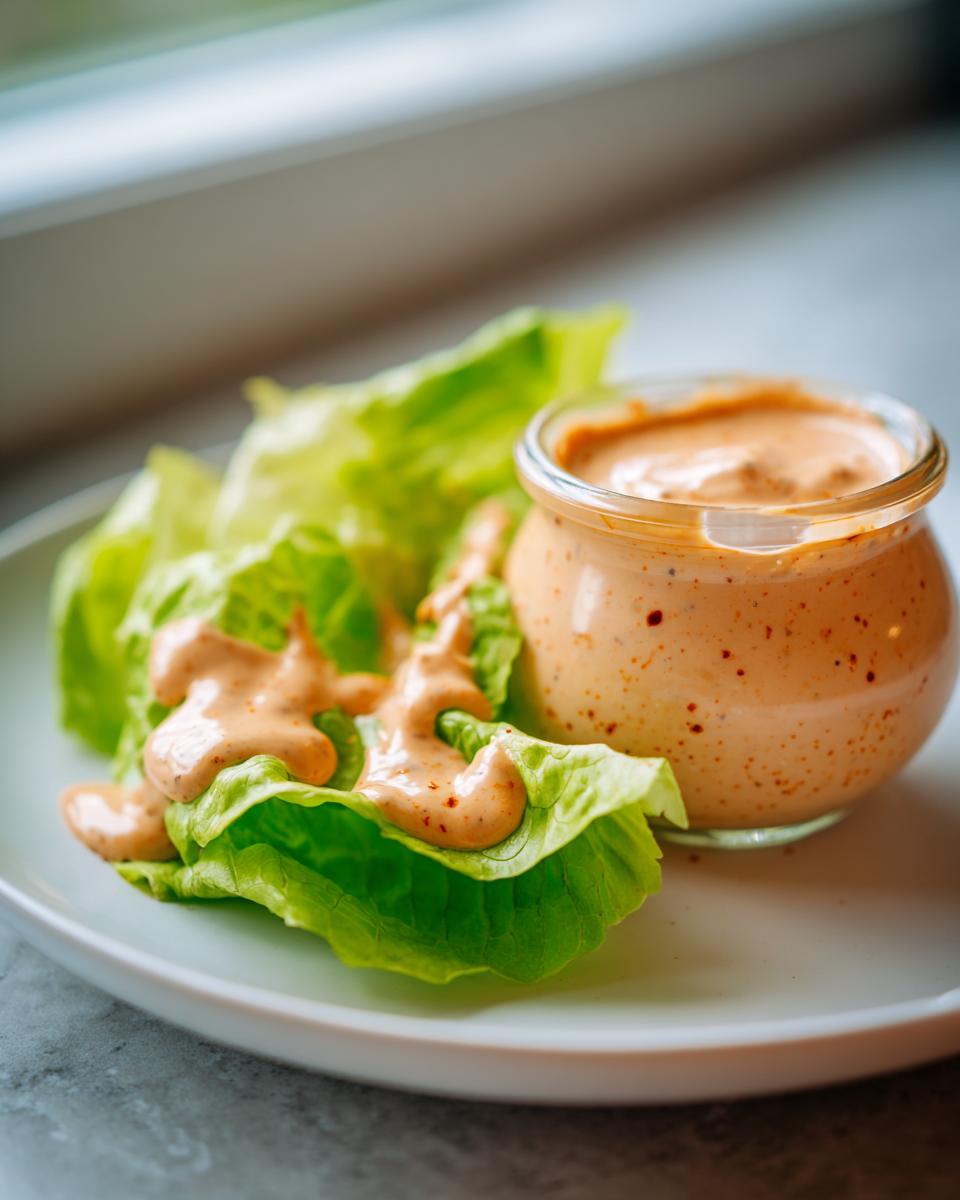
How to Prepare This Easy Vinaigrette Dressing
This is where the magic of the ‘shake in a jar’ method comes in. Seriously, toss the whisk! Grab a clean jar with a lid that seals tightly—I prefer the half-pint size for this ratio. Dump in your olive oil, your lemon juice or vinegar, that little dollop of Dijon mustard (keeping that emulsifier close!), and your salt and pepper.
Secure the lid and just shake it like you mean it! You have to work it until it looks creamy, not separated. Remember that 3:1 oil-to-acid ratio I mentioned? That’s key for balance. If you shake it hard enough, the oil and acid bond beautifully, and you get a perfectly combined dressing ready to go. Don’t forget, you can check out other great ideas for simple homemade sauces over at Gimme Some Oven!
Recipe 2: Maple Dijon Vinaigrette Salad Dressing
Okay, if you want just a touch of sweetness to go with your tang, this Maple Dijon Vinaigrette is what you need! This leans into the flavor profile of a classic maple mustard vinaigrette beautifully. It’s still quick—we’re talking minutes—so it absolutely earns its spot as an easy vinaigrette dressing staple.
The little bit of pure maple syrup we use here is brilliant because it gives you that warm, complex sweetness that white sugar just can’t touch. More importantly, that slight sweetness is the perfect counterbalance needed when you’re using tangy apple cider vinegar. It just rounds out the sharp edges, making it fantastic for heartier greens or even as a glaze for roasted vegetables, check out my bruschetta recipe for another fresh flavor idea!
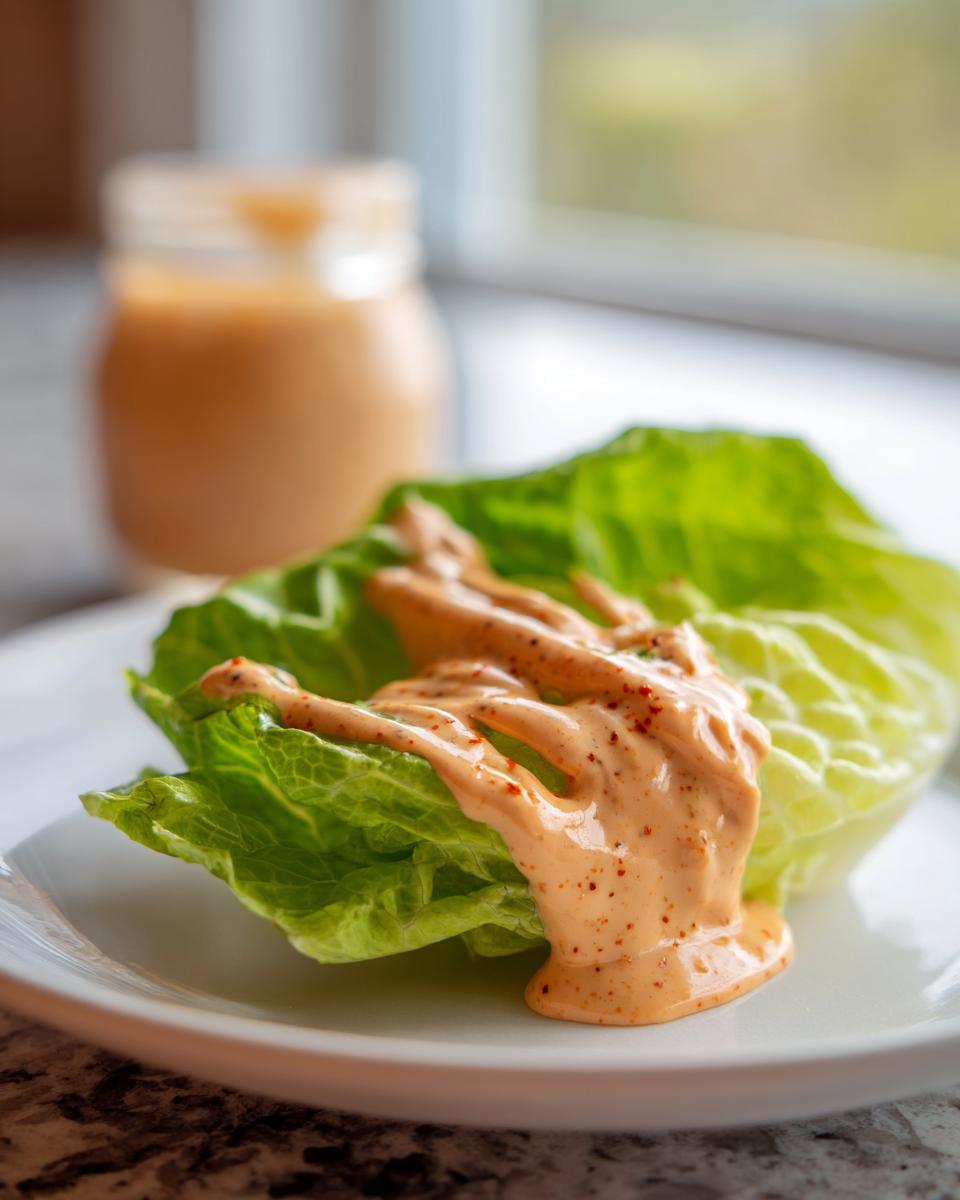
Tips for Making the Maple Dijon Salad Dressing in a Jar
We are sticking to our ‘shake, don’t stir’ rule here! When you put all the ingredients into your jar, make sure you give it a really good initial shake before sealing it up and popping it in the fridge. You want that maple syrup fully dissolved into the acid component before the cold thickens everything up. If you let it sit for too long in the fridge, the oil might firm up a little bit.
Don’t panic if that happens! That’s the beauty of the dressing in a jar technique. You just let the jar sit on the counter for about ten minutes to warm up slightly, and then shake it again vigorously. It will come right back together, just like magic. For more tips on making a perfect version of this, you should see what the folks at Foolproof Living have to say!
Recipe 3: Creamy Southwest Ranch Salad Dressing Ideas
Alright, time to switch gears from bright vinaigrettes to something rich and satisfying! If you think homemade means giving up that classic creamy texture, think again. This Southwest Ranch is one of my absolute favorite creamy salad dressing ideas, and I swear by it, especially when I’m serving a big, hearty grain bowl or something like my King Ranch Chicken Casserole nearby!
The secret to keeping this recipe on the lighter side, in true Kings Cook fashion, is swapping out most of the mayonnaise for plain Greek yogurt. It gives you that wonderful tang and thickness without weighing everything down. You won’t believe how much flavor we pack into this—the cumin and chili powder really give it that perfect southwestern kick. It’s a real crowd-pleaser, and once people taste this homemade version, they never want the bottled stuff again!
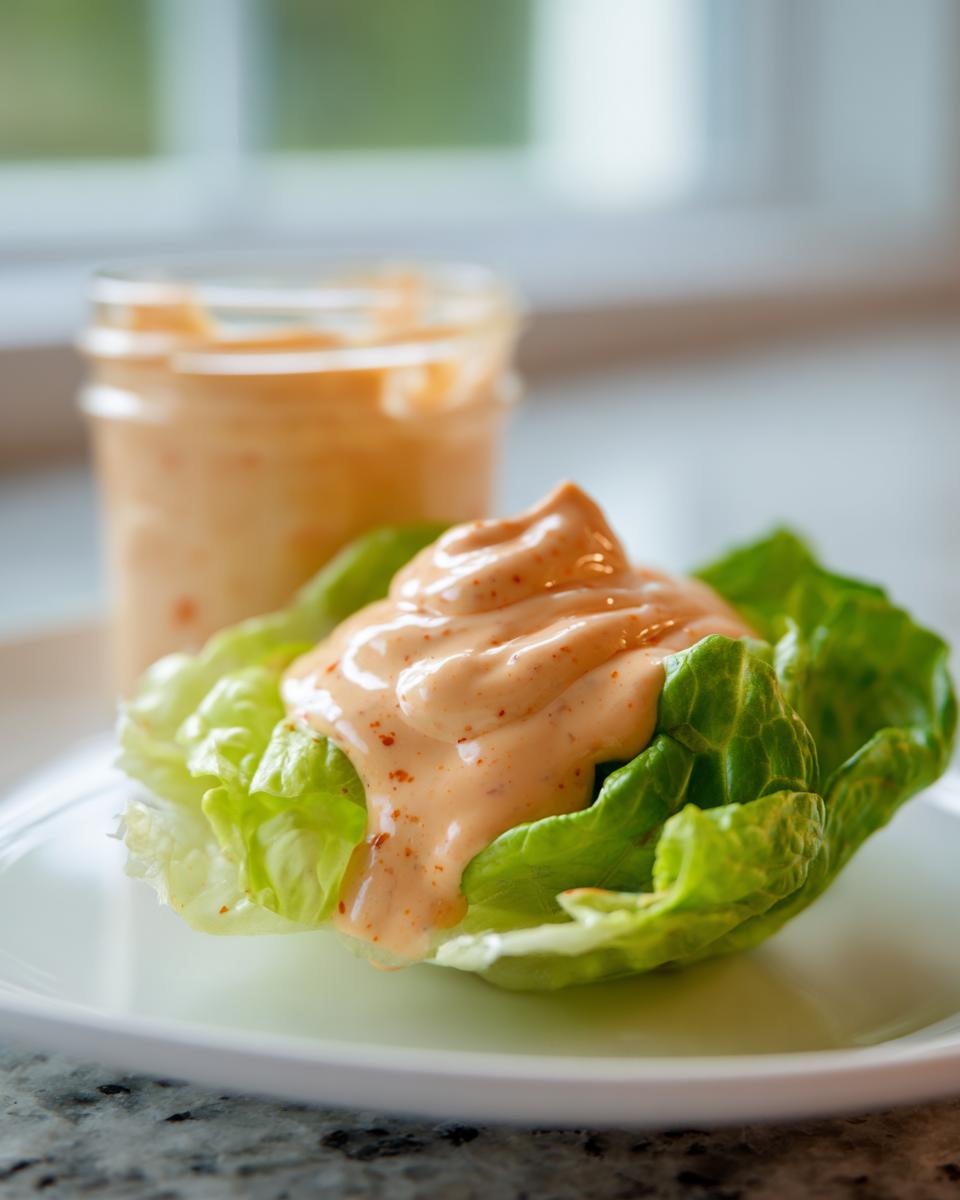
Achieving the Right Consistency for This Creamy Salad Dressing
When you’re mixing up this ranch dressing recipe homemade style, the Greek yogurt will naturally be quite thick, which is great, but it might be too thick for drizzling straight out of the jar. That’s where the water comes in.
My best advice here is to whisk everything together first—the yogurt, the lime juice, all those wonderful spices. Then, add the water one teaspoon at a time. You are going for a consistency that pours smoothly from a spoon, but that still clings nicely. If you try to add too much water at once, you’ll end up with something watery, and you can’t put the moisture back once it’s gone! Whisk continuously until it looks totally uniform and smooth. Don’t forget to check out the spice combinations in the version on Build Your Bite for a little heat inspiration!
Serving Suggestions and Flavorful Salad Toppings
Now that you have three fantastic homemade salad dressing options, we need to talk about what to put them on! These aren’t just for sad little side salads, trust me. Our Everyday Vinaigrette is absolutely brilliant when coating simple, delicate things like mixed field greens or thinly sliced cucumbers. It’s what I call a perfect dressing for green salads because it enhances, rather than overwhelms the fresh taste.
The Maple Dijon, with its touch of sweetness, is amazing when drizzled over a warm roasted vegetable medley or even a grain bowl. It gives everything a lovely shine! And that creamy Southwest Ranch? It’s robust enough to handle chunky, hearty fare. Think about pouring it over a big chopped salad with black beans and corn, or serving it alongside baked sweet potato fries!
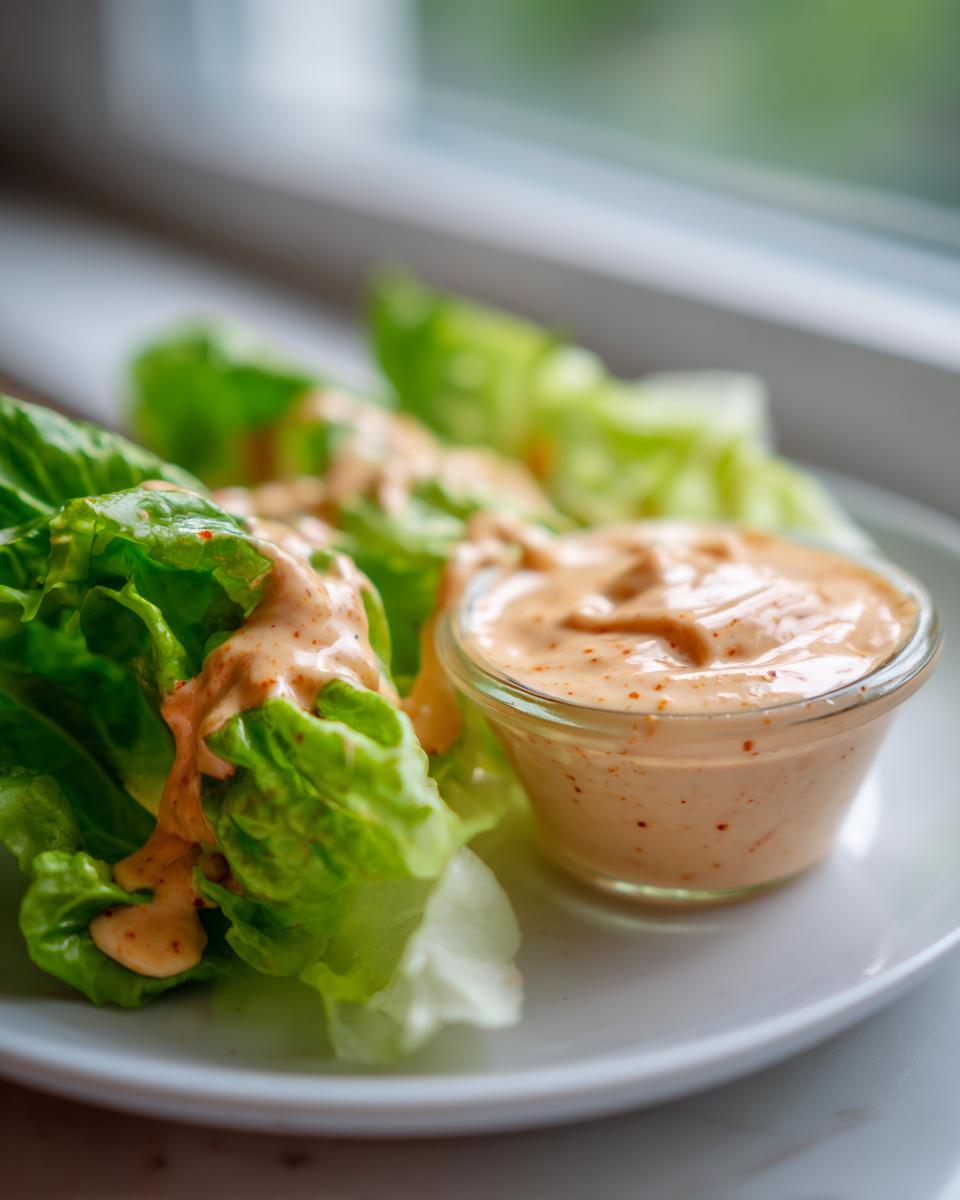
Don’t forget, the dressing is only half the story. Adding crunch is vital! Toss in some toasted pecans, sunflower seeds, or even some crispy fried onions for wonderful texture. These flavorful salad toppings make a huge difference between a side dish and a memorable meal. If you’re looking for a recipe where toppings are key, you absolutely must check out my Hearty Cobb Salad!
Storage and Meal Prep for Homemade Salad Dressing
The best part about making your own is that these are fantastic meal prep salad sauces! You can whip up a batch of vinaigrette on Sunday, and it should stay perfectly fresh in an airtight container in the fridge for up to two weeks. Easy peasy!
Now, our creamy options—like that Southwest Ranch—are a bit more perishable since they use fresh yogurt. I always aim to use those up within about one week. They need that refrigeration to stay safe.
Here’s my quick tip for the vinaigrettes: when you pull them from the cold fridge, the oil might look a little thick or separated. Don’t worry about that one bit! Just let the jar sit on your counter for about ten minutes to warm up slightly, and then shake it hard. It will emulsify beautifully again, ready for your next Buddha bowl!
Frequently Asked Questions About Making Salad Dressing
I know that even with the clearest instructions, questions pop up once you step into the kitchen on your own. That’s completely normal! I gathered up a few things I hear most often when readers are first starting out with their homemade salad dressing recipes.
Can I make a vegan salad dressing using these base recipes?
Yes, absolutely! That’s one of the brilliant things about focusing on ratios rather than strict ingredient formulas. For our vinaigrettes, if a recipe ever called for honey (ours skips it by using maple syrup, thankfully!), you just need to make sure you’re using pure maple syrup or agave instead if you want to keep it truly vegan. For the creamy Southwest Ranch, that’s where you need to swap out the Greek yogurt. You can easily find a thick, plain, unsweetened cashew-based cream or even a soy yogurt that works exactly the same way. Keep the spice blend the same, and you’ve got a great vegan salad dressing!
How do I fix a salad dressing that has separated?
Oh, this happens to everyone, even me! If you bring your vinaigrette out of the fridge and it looks like two distinct layers, don’t panic or think you ruined it—that’s just oil being stubborn when it gets cold. You don’t need to re-emulsify it with more mustard every time. Just let the jar sit on your counter for about ten minutes until it loosens up a bit. Then, seal the lid tightly and shake it like crazy again! It will come right back together beautifully, nice and thick, ready to pour over your veggies.
What is the best way to get a tangy salad dressing recipe?
If you are looking for that fantastic, sharp flavor—that zing that cuts right through rich ingredients—you need to play with the acid content! Remember how I said the blueprint for a vinaigrette is usually 3 parts oil to 1 part acid? If you secretly crave more bite, just adjust that ratio. Try 2 parts oil to 1 part acid instead. This immediately gives you a much more tangy salad dressing recipe! I do this often when I’m using a very neutral olive oil that doesn’t have much pepperiness mixed in.
What to Cook Next After Mastering Salad Dressing
Wow, look at you! You’ve conquered the world of homemade sauces, and now your salads are ready for their close-up. Since you’re clearly in that fresh and vibrant headspace, why not use these incredible new dressings right away? You should definitely try making my bright Greek Salad Recipe next—the lemon vinaigrette is divine on it!
Or, if you’re craving something a little heartier that needs a creamy dressing kick, my famous Caesar Salad Recipe is waiting for you. Happy cooking, my friend!
PrintThe Ultimate Homemade Salad Dressing Guide: 3 Essential Recipes
Welcome! I’m Kate, and I created this guide to help you feel confident making your own salad dressings. You get three reliable, easy-to-make recipes: a versatile Everyday Vinaigrette, a creamy Southwest Ranch, and a Maple Dijon Vinaigrette. Make these in minutes and stop buying bottled dressing.
- Prep Time: 5 min
- Cook Time: 0 min
- Total Time: 5 min
- Yield: About 3/4 cup per batch
- Category: Condiment
- Method: Shaking/Whisking
- Cuisine: American
- Diet: Vegetarian
Ingredients
- For the Everyday Vinaigrette: 1/2 cup extra virgin olive oil, 1/4 cup fresh lemon juice or vinegar (like white wine or apple cider), 1 teaspoon Dijon mustard, 1/2 teaspoon salt, 1/4 teaspoon black pepper
- For the Maple Dijon Vinaigrette: 1/3 cup extra virgin olive oil, 2 tablespoons apple cider vinegar, 1 tablespoon pure maple syrup, 1 teaspoon Dijon mustard, 1/4 teaspoon salt, Pinch of black pepper
- For the Creamy Southwest Ranch: 1/2 cup plain Greek yogurt (or vegan alternative), 1/4 cup water (add more for thinner consistency), 1 tablespoon lime juice, 1 teaspoon chili powder, 1/2 teaspoon cumin, 1/4 teaspoon garlic powder, 1/4 teaspoon onion powder, 1/4 teaspoon salt
Instructions
- Prepare the Everyday Vinaigrette: Combine olive oil, lemon juice/vinegar, Dijon mustard, salt, and pepper in a jar with a tight-fitting lid. Secure the lid and shake vigorously until the dressing emulsifies and thickens slightly.
- Prepare the Maple Dijon Vinaigrette: Combine olive oil, apple cider vinegar, maple syrup, Dijon mustard, salt, and pepper in a jar. Seal the jar and shake well until fully mixed. This is a great 5 minute salad dressing option.
- Prepare the Creamy Southwest Ranch: In a small bowl, whisk together the Greek yogurt, water, lime juice, chili powder, cumin, garlic powder, onion powder, and salt until smooth. Add more water, one teaspoon at a time, until you reach your desired consistency for drizzling.
- Taste and adjust seasonings for all dressings. You can add fresh herbs to any of these recipes for extra flavor.
- Store homemade salad dressing recipes in airtight containers in the refrigerator. Vinaigrettes last up to two weeks; creamy dressings last about one week.
Notes
- For any vinaigrette, the standard ratio is 3 parts oil to 1 part acid. Adjust this ratio based on how tangy you like your dressing.
- If your vinaigrette separates after refrigeration, let it sit at room temperature for 10 minutes, then shake again before serving.
- These recipes are naturally gluten free dressing options. For vegan salad dressing, use maple syrup instead of honey (if a recipe calls for it) and use a vegan yogurt or cashew cream base for creamy styles.
Nutrition
- Serving Size: 2 Tbsp (Vinaigrette estimate)
- Calories: 120
- Sugar: 2
- Sodium: 150
- Fat: 14
- Saturated Fat: 2
- Unsaturated Fat: 12
- Trans Fat: 0
- Carbohydrates: 2
- Fiber: 0
- Protein: 0
- Cholesterol: 0