

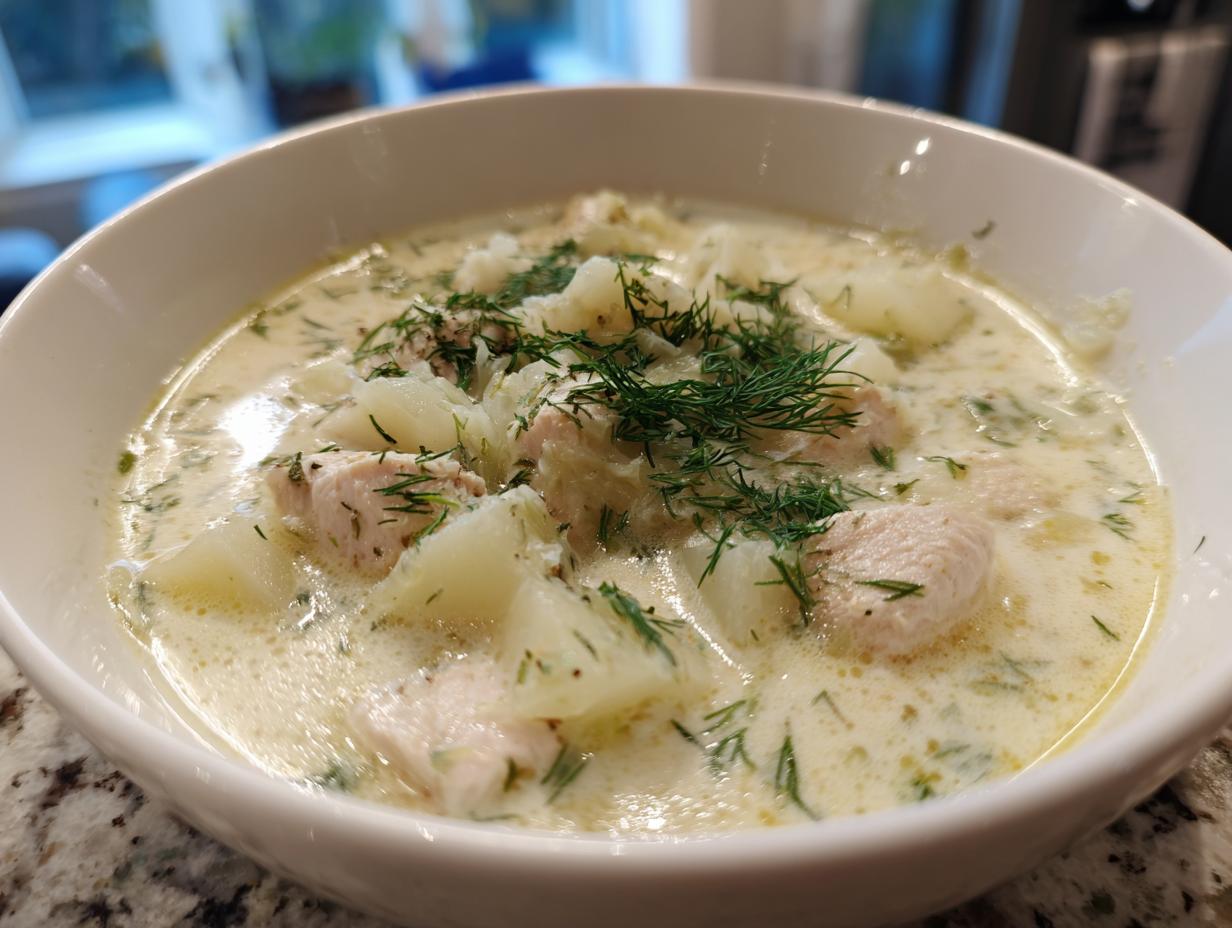
When the temperatures drop and you need a hug in a bowl, forget those thin, watery vegetable broths. We need serious comfort food, and nothing shouts cozy better than a rich, tangy sauerkraut soup. I’m Kate, and I promise you, this specific recipe—our Hearty Traditional Polish Sauerkraut Soup, known as Kapusniak—is the one you file away forever. I’ve tested this recipe dozens of times, tweaking the balance of sour and savory until it finally delivered that authentic, deep flavor we all crave on a cold evening.
- Why This Traditional Sauerkraut Soup Recipe Works (E-E-A-T)
- Gathering Ingredients for Your Hearty Sauerkraut Soup
- Step-by-Step Instructions for Authentic Kapusniak Recipe
- Tips for the Perfect Comforting Soup Ideas
- Variations on Traditional Sauerkraut Soup
- Serving Suggestions for Your Sauerkraut Soup
- Storage and Reheating Instructions for Sauerkraut Soup
- Frequently Asked Questions About Sauerkraut Soup
- Nutritional Estimates for This Sauerkraut Soup
- Share Your Kitchen Successes
Why This Traditional Sauerkraut Soup Recipe Works (E-E-A-T)
I know, I know, sauerkraut can be intimidating! It’s wildly sour, and if you get the ratio wrong, you end up with something that tastes like vinegar water. That’s where my relentless testing comes in. For this Hearty Sauerkraut Soup, I wanted that perfect bite of an Authentic European Soup—deep flavor, rich mouthfeel, but still bright on the palate. I must have made ten different batches before I settled on the exact amount of broth needed to mellow out the fermentation.
My biggest breakthrough? Realizing that the browned pork shoulder doesn’t just add chew; its rendered fat melts into the broth, providing the necessary richness to hug the sour notes. Cooking this soup slow and low is non-negotiable here; that’s how you get true depth.
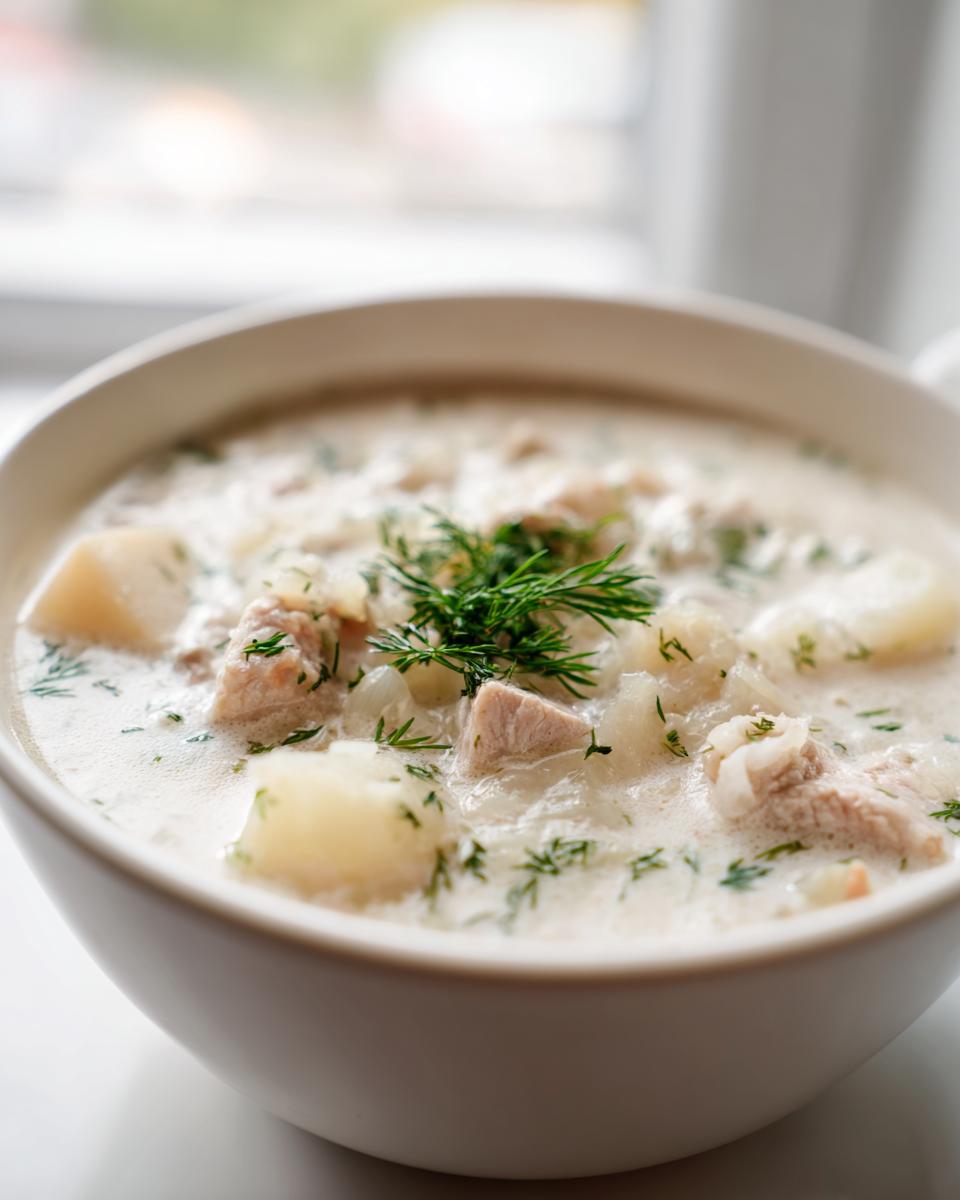
The Secret to Balancing Sauerkraut’s Tang
Here’s a little secret my grandmother taught me: Don’t be afraid of the brine, but don’t drown in it either. We are only rinsing the sauerkraut lightly, maybe squeezing out the excess just enough so it doesn’t immediately overwhelm the pot. If you rinse it completely clean, you lose all that wonderful probiotic tang that Kapusniak is known for! The pork fat and the slow simmer work together to soften that acidity into a beautifully savory backbone for the entire dish.
Gathering Ingredients for Your Hearty Sauerkraut Soup
Okay, let’s talk about what you need to pull this off. The great news is that this is certainly one of the most budget-friendly soup options out there! I always aim for ingredients I can grab on a regular grocery run, keeping with the spirit of real home cooking. When you look at our ingredient list, you’ll see that specifics matter—I’m not just throwing things in a pot! Those cubed pork pieces need to brown properly, which is why cutting them to a uniform 1-inch size is important so they cook evenly. If you ever want to try using similar cuts of meat for a different dinner, my recipe for slow cooker pulled pork goes into detail on getting those tough chunks tender!
We are using chicken or vegetable broth today, but be mindful: if you use a store-bought broth that’s already high in salt, you’ll want to pull back on adding extra salt later. That savory depth we are chasing here needs your attention from the very first step!
Ingredient Notes and Substitution Tips for Sauerkraut Soup
When it comes to sauerkraut, you have options, but I highly recommend seeking out the kind sold in refrigerated tubs or jars rather than canned, if you can find it. The refrigerated stuff just has a brighter, cleaner flavor profile, which really helps this Sauerkraut Soup Recipe shine. If you must use canned, make sure you drain it well!
Now, that pork shoulder is traditional, but if you need a much faster or smokier result, you can absolutely substitute it with 1 pound of smoked kielbasa. This turns it immediately into a fantastic Kielbasa Soup Recipe. If you’re making this vegetarian, skip the pork entirely, use great vegetable broth, and I love adding a cup of chopped mushrooms or canned white beans near the end for texture! Just remember, swapping the broth means your final sodium levels will be entirely up to you.
Step-by-Step Instructions for Authentic Kapusniak Recipe
Alright, this is where we turn ingredients into pure comfort! Making this Kapusniak Recipe is really about patience, especially with the pork. You can’t rush the depth of flavor that comes from proper browning. I promise, taking these few extra minutes at the start pays off huge when you get to the end. If you want to try browning meat in a different way sometime—say for pork chops—I have tested a great technique in my juicy pork chops recipe!
Building the Flavor Base: Searing and Sautéing
First things first: we need heat! Get your largest pot or Dutch oven over medium-high heat and add that tablespoon of olive oil. Once it shimmers, toss in those 1-inch pork cubes. You want a good, deep brown sear on all sides here—don’t overcrowd the pot or they’ll steam instead of brown. Once they get some color, pull them out and set them aside for a minute.
Now, lower that heat down to medium. That little bit of fat left behind is gold! Toss in your onion and let it cook until it’s soft and translucent, maybe about five minutes. That lets the onion sweeten up the pot. Then, add your minced garlic for just 60 seconds until you can really smell it. Be quick with the garlic; burned garlic tastes bitter, and we aren’t having that!
Simmering Your Sauerkraut and Potato Soup
Time to bring everything together! Return that gorgeous browned pork to the pot. Now, dump in the drained sauerkraut, the broth, your diced potatoes, the bay leaf (you must use the bay leaf, it adds that lovely old-world savory note!), the marjoram, and the optional caraway seeds. If you skip the marjoram, it just won’t taste right, trust me.
Get this whole glorious mess up to a boil, then immediately drop the heat way, way down to low. Cover it up tight and let it simmer. This is where the magic happens for this Hearty Sauerkraut Soup. You’re looking at a minimum of an hour, but truthfully, 90 minutes is better. You are waiting for that pork to become fall-apart tender. That long simmer time is what makes it feel like true Comforting Soup Ideas.
Finishing Touches for the Best Sauerkraut Soup
Once that pork is tender, fish out that bay leaf and toss it—it did its job! Now comes the final check: taste it! Does it need salt? Pepper? Only you know. If you decided to add the heavy cream to make it richer, pour it in slowly now, stirring gently. This is crucial: if you add the cream and then turn the heat back up and boil it? Oops! It might curdle, and nobody wants a broken soup. Let it warm through gently for about ten minutes off the boil, and then it’s ready to serve.
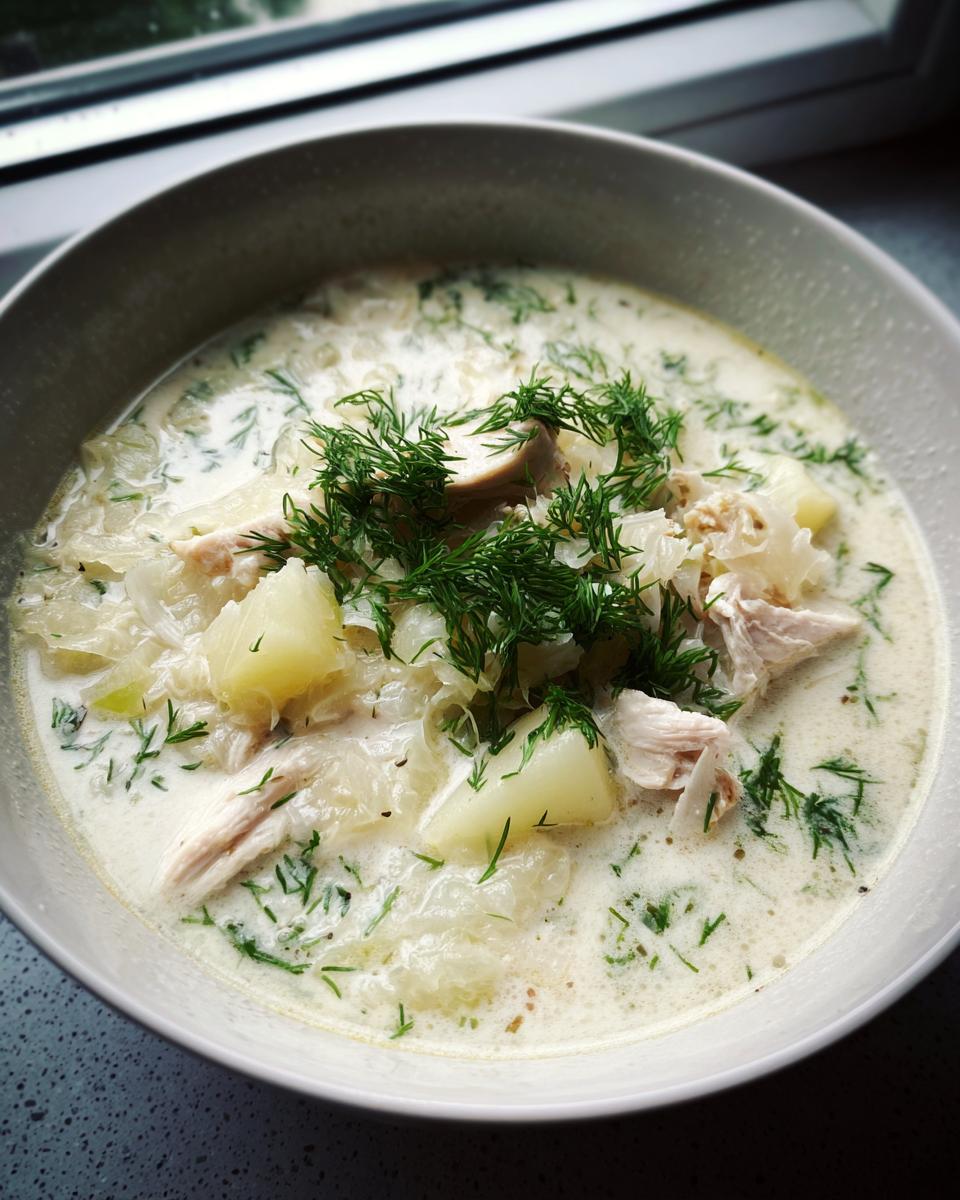
Tips for the Perfect Comforting Soup Ideas
Achieving that deeply satisfying bowl of Kapusniak means paying attention to a few expert details I learned over the years. If you want your homemade soup to knock the socks off store-bought versions, remember this: time equals flavor payoff. Don’t rush that simmer, even if you’re hungry!
For instance, when I’m making my French Onion Soup, I always tell people the same thing: caramelize without burning the onions, and you win. It’s the same idea here. We need that low, slow heat to marry the pork fat with the acidity of the kraut, creating that signature flavor profile for our Tangy Winter Soup.
Also, if you’re using the kielbasa shortcut I mentioned, make sure you get a good smoked variety; it brings back some of that smoky depth we lose by skipping the pork shoulder roast time. You can see how I apply similar slow-flavor techniques when I’m working on my recipe for caramelized French onion soup here. Also, if you decided to skip the pork for kielbasa, you might enjoy looking at this ready-made kielbasa and sauerkraut soup idea!
Variations on Traditional Sauerkraut Soup
While I absolutely adore this traditional Kapusniak with pork, I know not every night calls for a long simmer, and not everyone loves pork! That’s why I’ve tested a few ways to adapt this recipe to suit different tastes. If you love rich and velvety textures, consider making a Creamy Sauerkraut Soup. You can completely pivot this recipe by skipping the pork, using vegetable broth, and stirring in half a cup of heavy cream or even full-fat coconut milk at the very end—just follow the non-boiling rule!
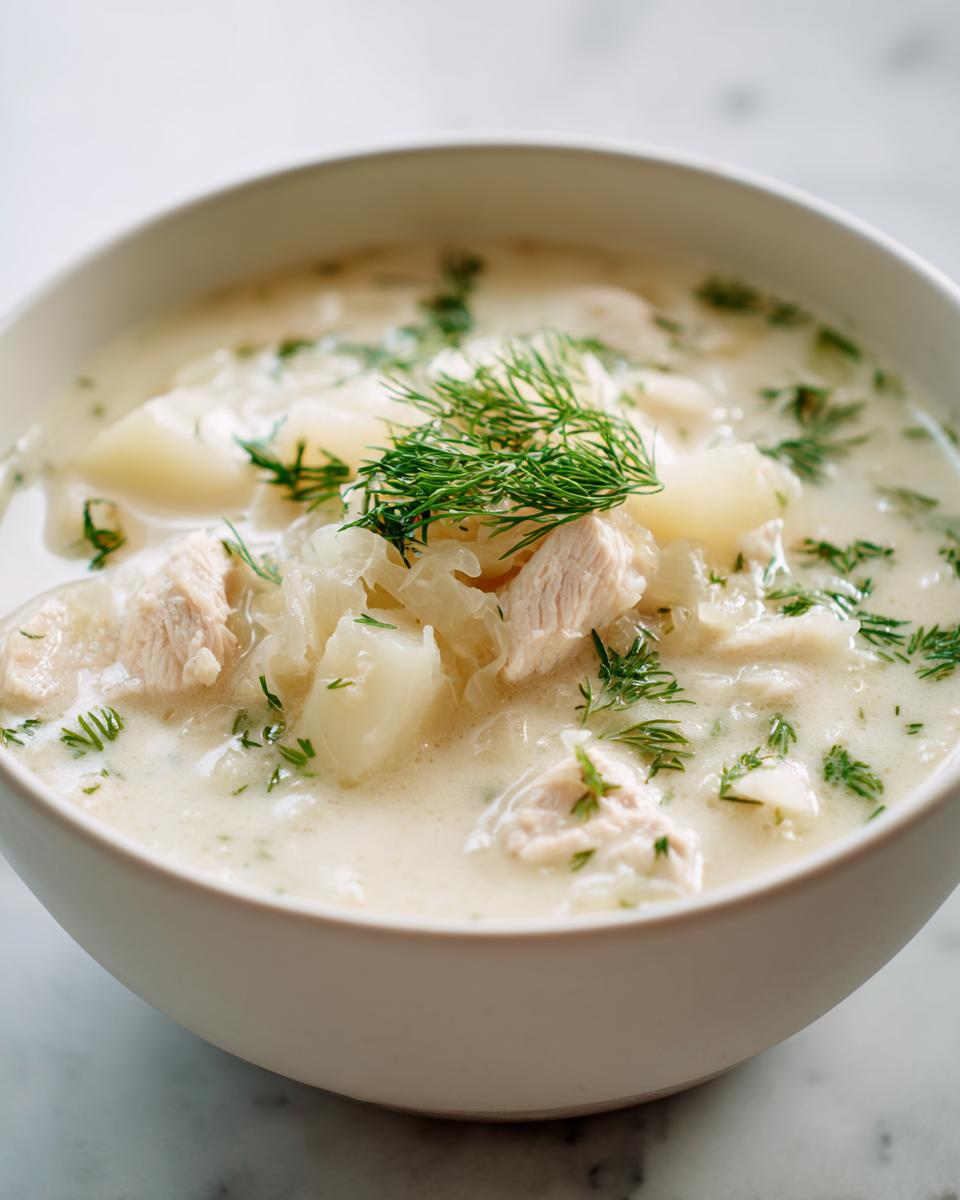
For an even quicker fix, swapping the pork shoulder for smoked sausage gives you a fantastic Sausage and Sauerkraut Soup that cooks much faster—usually just 30 minutes once boiling. If you’re looking to go meat-free, this is an easy one to adapt into a vegetarian dish. You’ll use vegetable broth, skip both the pork and any kielbasa additions, and maybe toss in some hearty white beans or meaty cremini mushrooms to keep it filling. Check out my basic vegetarian approach to broth-based soups here: minestrone soup recipe. For that creamy sausage version I mentioned, I saw another great take over at Creamy Sausage & Sauerkraut Soup if you need inspiration!
Serving Suggestions for Your Sauerkraut Soup
This gorgeous Kapusniak is designed to be the star, so you don’t need much fuss on the side, but texture contrast is everything! Since this is such an Easy Sauerkraut Dinner, I love pairing it with something crusty for dipping. Honestly, a thick slice of buttered rye bread is perfect, but if you have the time, my recipe for focaccia bread is amazing for soaking up every last bit of that rich, tangy broth.
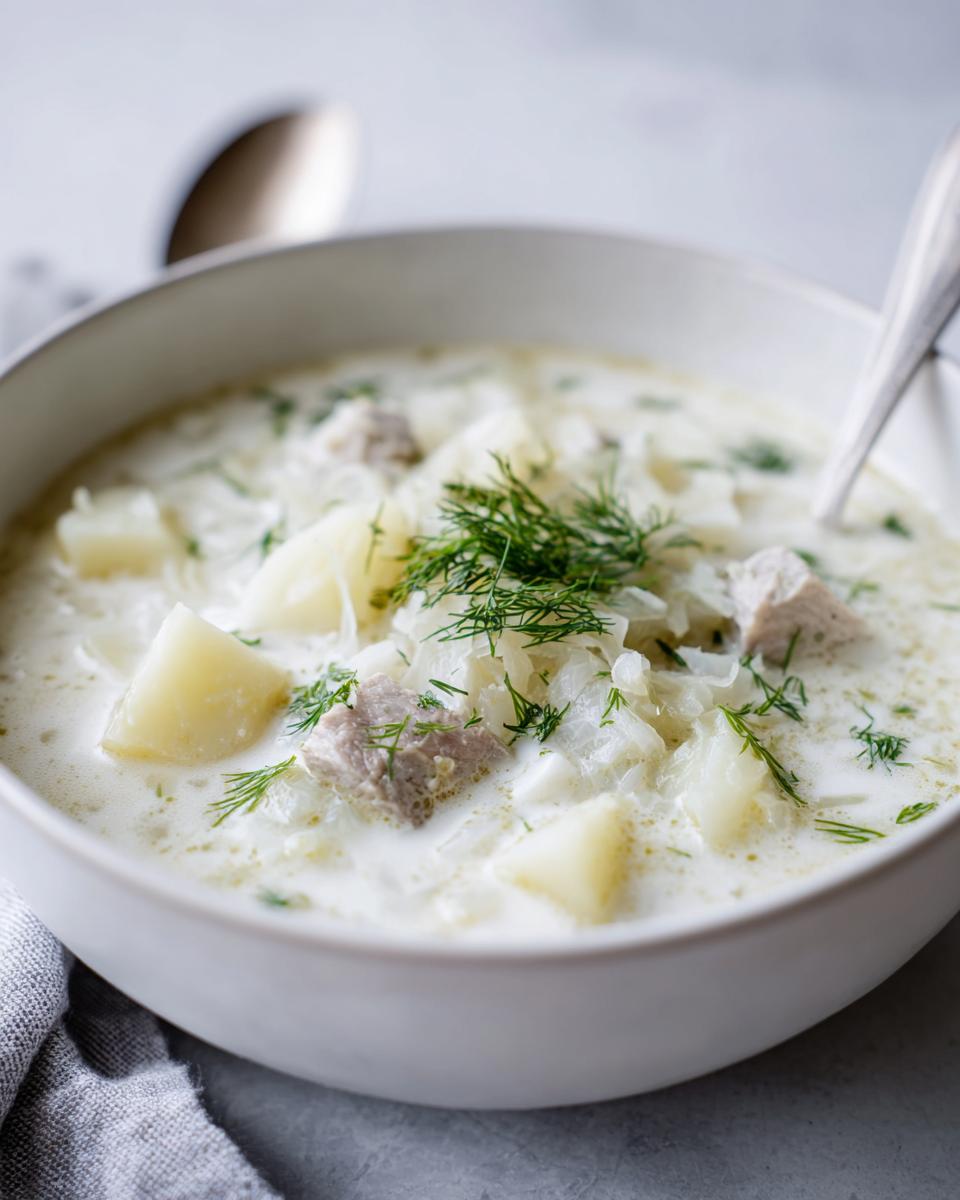
If you want a little freshness to cut through the richness, a tiny side salad tossed with just lemon juice and olive oil is all you need. Keep the sides simple, let that soup shine, and you’ve got a complete meal!
Storage and Reheating Instructions for Sauerkraut Soup
Because this soup is so hearty, you’ll almost certainly have leftovers, which is great because it tastes even better the next day! If you plan to keep it in the fridge, it will easily last four to five days. It reheats beautifully just on the stovetop over medium heat—no need to rush it.
Now, this is super important for trusting the recipe: if you added the heavy cream, only store it in the fridge. If you want to freeze this Sauerkraut Soup for later (which I totally recommend for busy weeks!), you MUST freeze it before adding the cream. The texture of the cream just doesn’t handle the deep freeze well. Omit it for freezing, then stir it in when you reheat a thawed portion. It stays perfect in the freezer for up to three months!
Frequently Asked Questions About Sauerkraut Soup
What is the difference between Kapusniak and other sauerkraut soup recipes?
That’s a great question that gets right into the heart of traditional cooking! Kapusniak is specifically the name for the well-loved Polish version of sauerkraut soup. While many cultures have warming soups made with fermented cabbage—like beautiful Ukrainian variations or creamier German styles—Kapusniak generally calls for that deep flavor foundation built by simmering pork shoulder or ribs until they are completely falling apart. The Polish style tends to be more robust and meat-forward than some lighter versions.
Can I make this Sauerkraut Soup Recipe vegan or vegetarian?
Yes, absolutely! It’s very easy to adapt this great Sauerkraut Soup Recipe to be vegetarian, even if the traditional flavor comes from pork. The key is swapping out the base entirely. You’ll use rich vegetable broth instead of chicken or meat broth. For that hearty, substantial texture that the pork usually gives you, I recommend adding about a cup of canned white beans (like cannellini) or some meaty brown mushrooms—sauté those with your onions at the beginning. It keeps that wonderful tangy profile without any meat!
How long does this Hearty Sauerkraut Soup need to simmer?
This is where you commit to that deep, comforting flavor. For this specific, Hearty Sauerkraut Soup featuring pork shoulder, you really need that low and slow cooking time. I insist on at least one full hour of gentle simmering after the initial boil, but 90 minutes is perfection. You aren’t just waiting for the potatoes to get soft; you are waiting for the connective tissue in that tougher pork cut to break down completely, melting into the broth and making the whole soup unbelievably tender and rich. Don’t lift that lid too often, let that time do the hard work for you!
Nutritional Estimates for This Sauerkraut Soup
I always try to give you guys a good ballpark idea of what you’re making, especially when it comes to cozy weeknight meals like this Kapusniak. Knowing the nutrition facts helps me plan my week, and I bet it helps you too! Remember, this is just an estimate based directly on the main ingredients listed—pork shoulder, potatoes, broth, and sauerkraut, served in the recommended 1.5-cup portion size.
Because we didn’t use a ton of processed fillers or tons of extra oil, this is actually a pretty great, low-fat option for a traditional eater. If you skip the optional heavy cream, the fat content stays quite low! But here is the fine print; take this as guidance, friends, because salt levels from different broths and brands of sauerkraut can really make these numbers jump around.
- Serving Size: 1.5 cups
- Calories: Approximately 350
- Fat: About 18g (This is where the optional cream adds a few extra points!)
- Carbohydrates: Around 25g
- Protein: A whopping 24g, thanks to that hearty pork!
- Sugar: Generally low, around 5g (mostly natural sugars from the veggies)
- Fiber: A good dose at about 5g
We are keeping this recipe relatively low on the sodium scale, sitting right around 650mg, but that number can change drastically depending on how salty your broth is. If you are watching sodium, definitely reach for a no-salt-added broth and then taste carefully before reaching for the salt shaker!
Share Your Kitchen Successes
And there you have it—the blueprint for my absolute favorite, deeply comforting, traditional sauerkraut soup! I truly hope you bring this Kapusniak recipe into your own home and let that amazing, tangy aroma fill your kitchen. It’s one of those meals that just feels soulful, you know?
When you make it, I absolutely need to know how it turned out! Did you stick strictly to the pork shoulder, or did you try the kielbasa shortcut? Did you add the cream for that extra silkiness? Please do me a huge favor: rate this recipe right down below with your stars—it helps other home cooks like you feel confident trying it out.
And seriously, if you snapped a picture of your finished bowl, tag me on social media! Seeing your creations is truly the best part of what I do here at Kings Cook. If you’re new here and haven’t already, pop over to my About Page! I’d love to connect with you personally outside of the recipes.
PrintHearty Traditional Polish Sauerkraut Soup (Kapusniak)

This Kapusniak recipe delivers a comforting and authentic Polish Sauerkraut Soup, balancing the tang of fermented cabbage with savory pork and potatoes for a satisfying winter meal.
- Prep Time: 20 min
- Cook Time: 90 min
- Total Time: 110 min
- Yield: 6 servings 1x
- Category: Dinner
- Method: Stovetop Simmering
- Cuisine: Polish
- Diet: Low Fat
Ingredients
- 1 tablespoon olive oil
- 1 pound pork shoulder, cut into 1-inch cubes
- 1 large onion, chopped
- 2 cloves garlic, minced
- 1 pound sauerkraut, drained and rinsed lightly
- 6 cups chicken or vegetable broth
- 2 medium potatoes, peeled and diced
- 1 bay leaf
- 1 teaspoon dried marjoram
- 1/2 teaspoon caraway seeds (optional)
- Salt and black pepper to taste
- 1/2 cup heavy cream (optional, for a richer soup)
- Fresh dill for garnish
Instructions
- Heat the olive oil in a large pot or Dutch oven over medium-high heat. Add the pork cubes and brown them on all sides. Remove the pork and set it aside.
- Reduce the heat to medium. Add the chopped onion to the pot and cook until softened, about 5 minutes. Add the minced garlic and cook for 1 minute more until fragrant.
- Return the browned pork to the pot. Add the drained sauerkraut, broth, diced potatoes, bay leaf, marjoram, and caraway seeds.
- Bring the mixture to a boil, then reduce the heat to low, cover, and simmer for 1 to 1.5 hours, or until the pork is tender.
- Remove the bay leaf. Season the soup with salt and pepper to your taste.
- If you prefer a creamy sauerkraut soup, stir in the heavy cream during the last 10 minutes of cooking. Do not boil after adding cream.
- Ladle the hearty sauerkraut soup into bowls. Garnish with fresh dill before serving.
Notes
- For a more authentic flavor, do not rinse the sauerkraut completely; a little brine adds necessary tang.
- If you want a quicker meal, substitute the pork shoulder with 1 pound of smoked kielbasa, sliced, added during the last 30 minutes of simmering.
- This soup freezes well; omit the cream if you plan to freeze leftovers, and stir it in when reheating.
Nutrition
- Serving Size: 1.5 cups
- Calories: 350
- Sugar: 5
- Sodium: 650
- Fat: 18
- Saturated Fat: 6
- Unsaturated Fat: 12
- Trans Fat: 0
- Carbohydrates: 25
- Fiber: 5
- Protein: 24
- Cholesterol: 65