

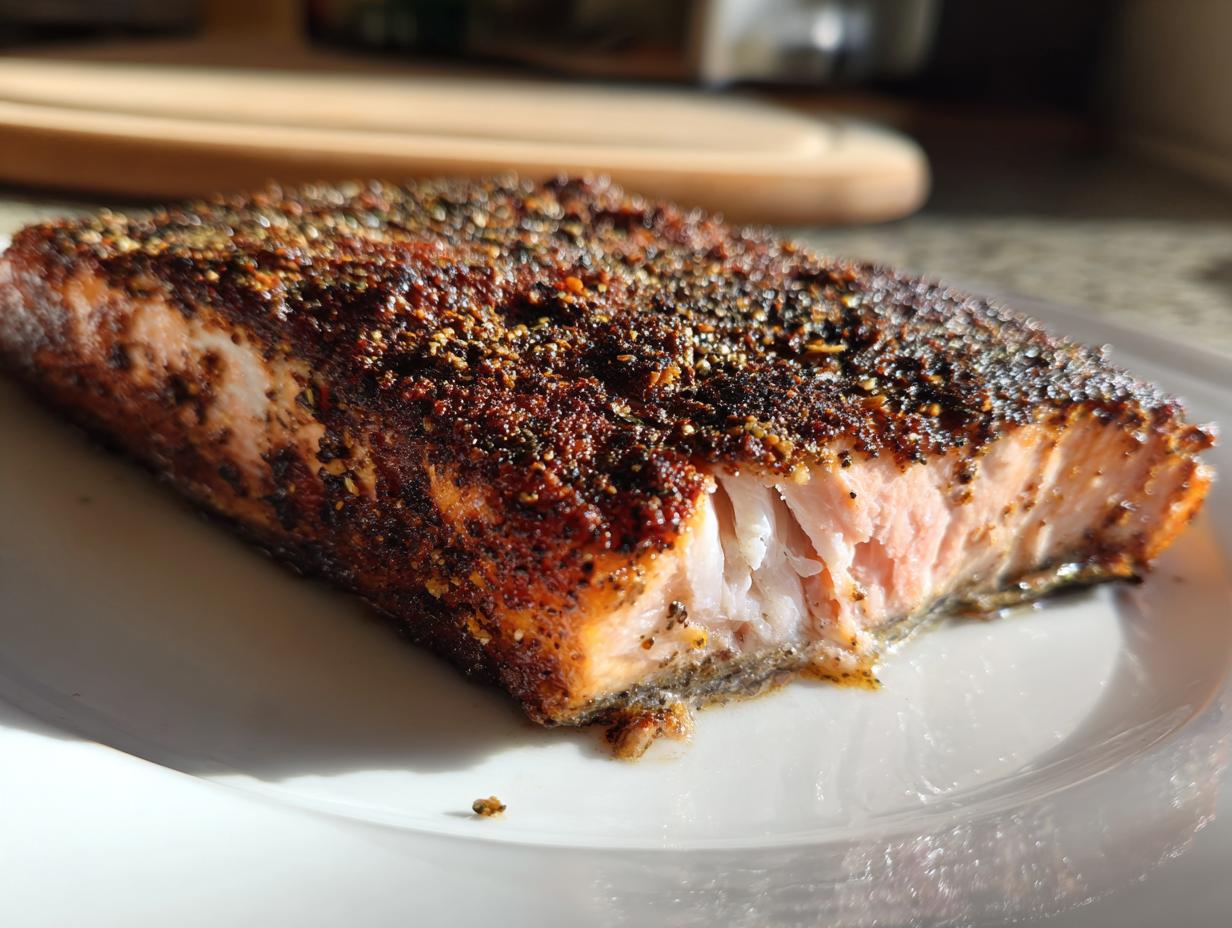
Have you ever ordered salmon at a great restaurant, where it comes out with this intense, dark, almost smoky crust, but the inside is perfectly flaky and moist? I used to think that required some secret technique only chefs knew. Trust me, it doesn’t! The real magic behind that incredible flavor and texture isn’t complicated; it all comes down to the spice blend you use. That’s why I’m so excited to share my absolute favorite blackened salmon seasoning recipe.
When I first started putting these recipes together for Kings Cook, I realized that the simplest things have the biggest impact. A quality rub means you don’t have to stress over marinades or fancy cooking methods. You just need the right combination of savory, spicy, and smoky notes to hit that perfect Cajun profile. This specific mix is what I used when my friend—yes, the one who thought she could burn water—successfully made her first gorgeous, charred salmon fillet!
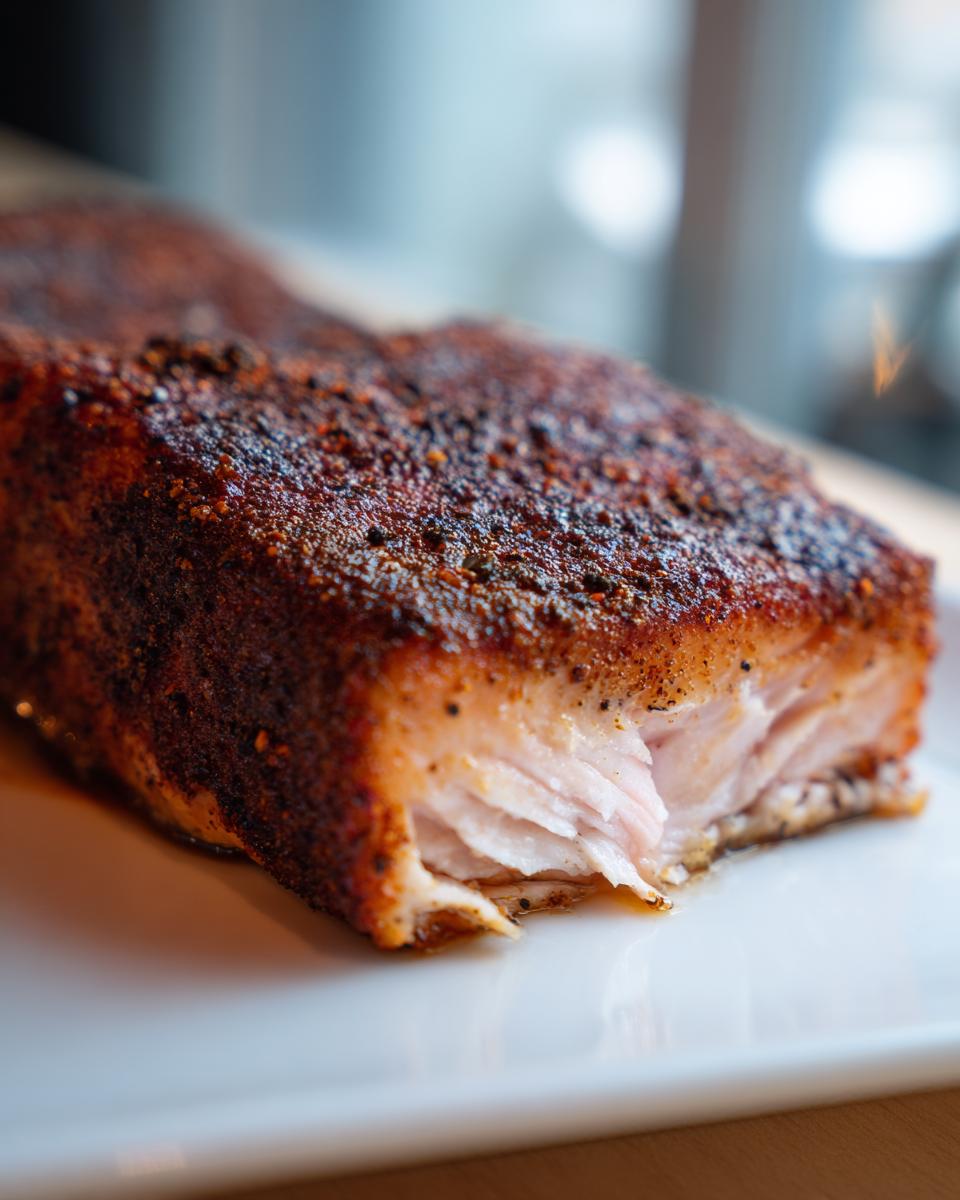
It’s about precision, not complexity. Once you mix this up, you’ll never go back to the store-bought container again. Head over to my About Page if you want to read more about how I believe simple, delicious food can build confidence in the kitchen. Now, let’s get this powerful spice rub mixed up!
- Why This Homemade Blackened Salmon Seasoning Mix Works (The Best Blackened Salmon Spice Blend)
- Ingredients for Your Easy Blackened Salmon Rub
- How to Make Blackened Fish Seasoning: Step-by-Step
- Applying the Blackened Salmon Seasoning: From Rub to Fillet
- Mastering the Authentic Blackened Salmon Technique
- Beyond Salmon: Using Your Blackened Salmon Seasoning
- Frequently Asked Questions About Blackened Salmon Seasoning
- Nutritional Snapshot of the Homemade Blackened Seasoning Mix
- Share Your Success with This Blackened Salmon Seasoning
Why This Homemade Blackened Salmon Seasoning Mix Works (The Best Blackened Salmon Spice Blend)
So many seasoning mixes fall flat because they’re either too salty or just taste like cayenne pepper decided to show up alone. That’s not what we’re doing here! This particular blackened salmon seasoning blend is based on tried-and-true ratios I’ve tested repeatedly. It’s specifically designed to mimic that authentic, dark crust you crave from Creole cooking without burning your beautiful fish right away.
The secret sauce is the balance. We use a heavy hand with the smoked paprika—that’s where your gorgeous color and deep, earthy smoke flavor come from. Then we layer in the intensity of cayenne pepper, but we keep it measured so it’s spicy and flavorful, not just painful! Finally, the onion and garlic powders give it that savory foundation that makes everything taste better.
Essential Components of Authentic Blackened Salmon Seasoning
Honestly, every spice in this rub plays a vital role. You can’t skip the dried thyme and oregano; they add that beautiful herbaceous lift that cuts through the richness of the salmon fat.
But if I had to point to the heavy hitters? It’s definitely the smoked paprika for that incredible color and smoky depth, and the cayenne pepper. Think of the cayenne as your wake-up call—it provides the heat but blends right into that savory base instead of screaming over the top of it.
Ingredients for Your Easy Blackened Salmon Rub
Okay, let’s talk about what goes into this powerhouse rub! When I say precision matters, I really mean it. This isn’t the time to eyeball things, especially the heat component. Having the right measurements means you can make this once and know that every fillet you cook from that batch will taste exactly the same—reliably delicious!
When you measure these spices, try to use dry measuring spoons for accuracy, especially for the herbs. We are building a beautiful, complex crust here, and you need to treat each component with respect. Remember, this entire mix is meant to be your secret weapon that works every time.
- Three full tablespoons of smoked paprika. And I mean smoked! We need that deep, barbecue-like flavor, so absolutely no sweet paprika here, please.
- Two tablespoons of onion powder. Make sure this is powder, not flakes!
- Two tablespoons of garlic powder. This gives us that essential savory backbone without burning like fresh minced garlic would during the high-heat blackening process.
- One tablespoon of dried oregano, and a full tablespoon of dried thyme. These herbs are non-negotiable; they give it that authentic Cajun character.
- One full tablespoon of cayenne pepper. Now, listen closely: this is where the heat comes in. If you are sensitive to spice, you can dial this back to two teaspoons, but I love a vibrant kick, so one full tablespoon is what I test and recommend!
- One tablespoon of coarse salt. Use what you like, but standard table salt measurement works perfectly fine here.
- One teaspoon of freshly ground black pepper. Again, fresh ground makes a difference for that little bit of sharpness.
- One teaspoon of ground cumin. This adds just a tiny hint of earthiness that deepens the overall flavor profile. Seriously, don’t leave it out!
Gather these up, and let’s move to the mixing bowl. You’ll be amazed how easily this comes together!
How to Make Blackened Fish Seasoning: Step-by-Step
Okay, putting these amazing ingredients together is the easiest part! Grab a dry bowl—we don’t want any stray water droplets messing with our blend. Just gently pour everything in there: the paprika, the onion and garlic powders, those herbs, the salt, pepper, cumin, and the glorious cayenne.
Now, don’t just stir it loosely with a fork! You absolutely have to whisk this thoroughly. I mean really get in there until you see no layers of any one spice. If you skip this, one bite might be overly salty and the next might taste like only thyme. We want even flavor in every single pinch. It should only take a minute or two of vigorous whistling—I mean whisking—to get it perfectly uniform. That’s it for the mixing!
Storage Tips for Your Homemade Blackened Seasoning Mix
Here’s the wonderful part about a dry rub like this: it’s so easy to keep on hand! Once it’s whisked beautifully, transfer the whole batch into an airtight container. A glass jar with a tight-sealing lid is my first choice. Keep it somewhere cool and dark, like inside your pantry. Because we aren’t adding any fresh ingredients or moisture, this homemade blackened seasoning mix is totally non-perishable and will stay vibrant and flavorful for months!
Applying the Blackened Salmon Seasoning: From Rub to Fillet
Now that we have our magnificent blackened salmon seasoning mixed—which, by the way, smells incredible just sitting in the jar—it’s time to dress that fish! This application process is crucial if you want that gorgeous, steak-like crust instead of a dusty coating. Don’t just sprinkle it on; we need to make it stick!
First and foremost, grab some paper towels and pat your salmon fillets completely dry. I mean bone dry! Any surface moisture will steam the spices instead of letting them form that crust when they hit the hot pan. Think of it like prepping meat for a perfect sear; moisture is the enemy of char.
Next, you need a binder. You can’t just push the dry rub onto the fish and expect it to stay there while you flip it. I usually melt just a little bit of unsalted butter—maybe a teaspoon per fillet—and brush it very lightly all over the top and sides. If you prefer oil, a neutral one like canola works fine too. The binder just needs to be tacky enough to hold the spices in place.
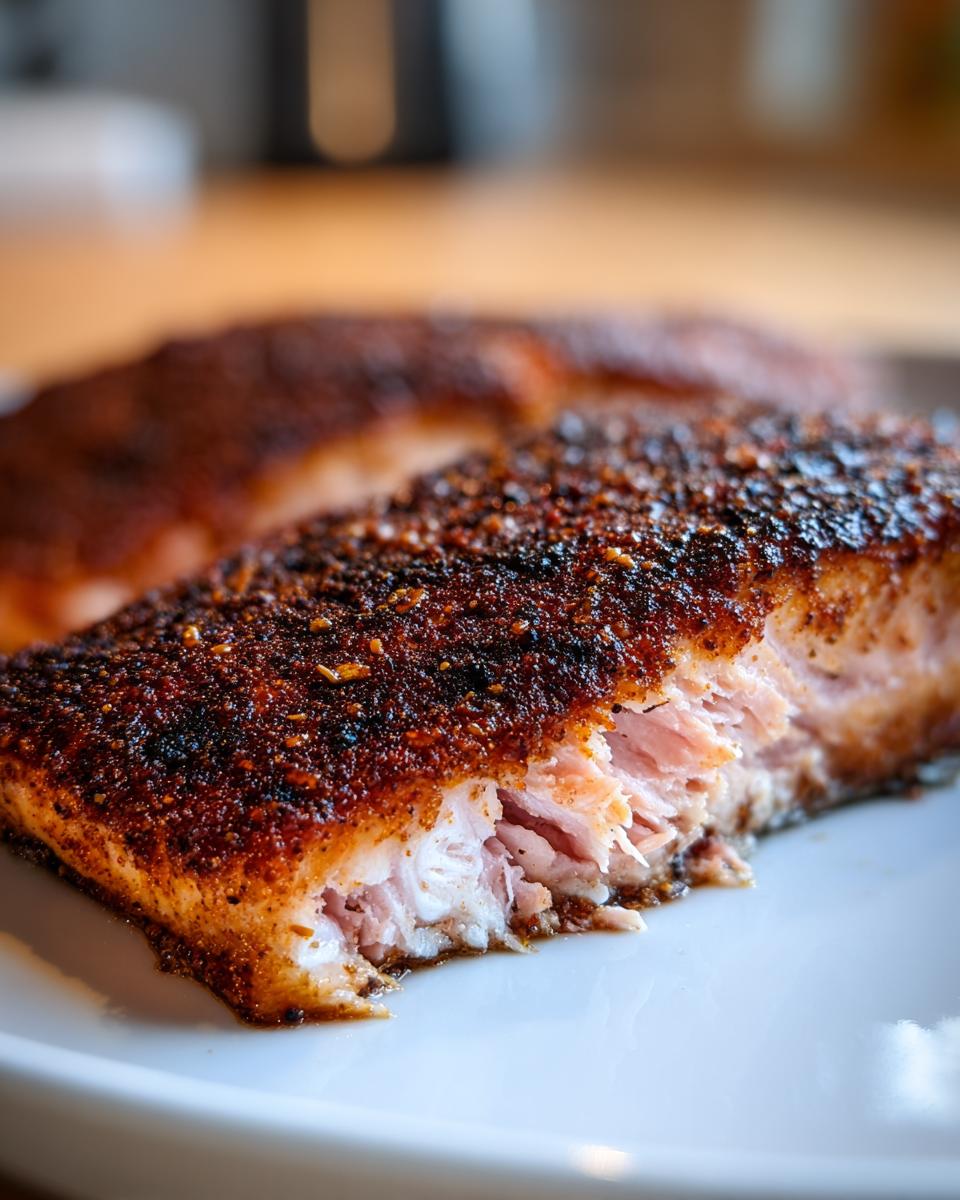
Here’s the advice that really changed things for me: be generous! For a standard 6-ounce salmon fillet, I use about one full tablespoon of the seasoning mix. You want to coat it so you can barely see the pink of the salmon underneath. Press the spice blend gently into the binder on all sides. This heavy coating is what creates that deep spicy salmon crust when it hits the heat. If you’re looking for other ways to wrap seafood in delicious, flavorful coatings, you might check out my Easy Crab Cakes Recipe!
Ingredient Substitution Guide for Spicy Salmon Crust Recipe
Life happens, and sometimes you’re in the middle of making this amazing rub and realize you’re out of one thing. Don’t panic! That’s why I test these things so you don’t have to stress.
- If you run out of Cayenne: This one is the most common swap! If you don’t have cayenne, you can safely substitute it with one extra teaspoon of smoked paprika and add a small pinch of chili powder if you have some on hand. You won’t get the exact same punchy heat, but you will keep that vibrant red color and the smoky flavor profile intact.
- Running low on Dried Thyme or Oregano? These function partly as bulk and partly as flavor. You can use a half-teaspoon of Italian seasoning in place of one of the herbs, but try to keep at least one of the originals for that specific Cajun undertone.
- Salt Check: If you are watching sodium intake, feel free to drop the added salt down to just half a teaspoon. Remember, the blackening process itself concentrates flavors, so it will still taste robust!
The goal is always a flavorful rub; the exact texture of the herbs might shift slightly, but the major players—paprika, onion/garlic, and cayenne—should always be present!
Mastering the Authentic Blackened Salmon Technique
This is where the real magic happens, and honestly, where most people get nervous! Blackening sounds scary, right? It sounds like you’re just going to burn your expensive salmon fillet to a crisp. I promise you, if you follow these steps for the authentic blackened salmon technique, you will get that restaurant-quality, dark, crackly crust while keeping the inside flaky and tender. Precision with heat management is everything here.
You absolutely need the right tool for the job. My number one rule for blackening anything—be it fish or chicken—is to use cast iron. A heavy cast iron skillet holds an incredible, consistent heat that you just can’t get from non-stick pans. You want that pan screaming hot before the fish even thinks about touching it. I mean smoking hot!
After you generously coat your salmon with the rub, you need a high smoke-point oil. Forget olive oil for this step; we need something like canola, grapeseed, or avocado oil. Add about a tablespoon to that screaming hot pan. When the oil shimmers instantly, you are ready. Carefully lay your seasoned fillet presentation-side down (usually the top side if you are cooking skinless). Don’t crowd the pan! If you’re cooking more than two fillets, do them in batches.
The timing is key: Cook undisturbed for about 3 to 4 minutes per side, depending on how thick your salmon is. I know it’s tough, but do not peek or move the fillet for those first 3 minutes! Moving it breaks that developing crust. Once you see that dark crust forming beautifully, carefully flip it over and cook for another 3 to 4 minutes. If you want the full rundown on mastering high-heat cooking like searing a perfect steak, check out my guide on the Perfect Ribeye Steak Recipe; the principles of heat transfer are very similar!
Achieving the Perfect Spicy Cast Iron Salmon Recipe Crust
How do you know when you’ve hit that perfect blackened stage without actually burning it? Pay attention to the color and the sound. You are aiming for a deep mahogany or truly black color on the spice layer. It should look almost like leather, but when you gently press the side of the fish, it should still feel firming up, indicating the inside is cooking nicely.
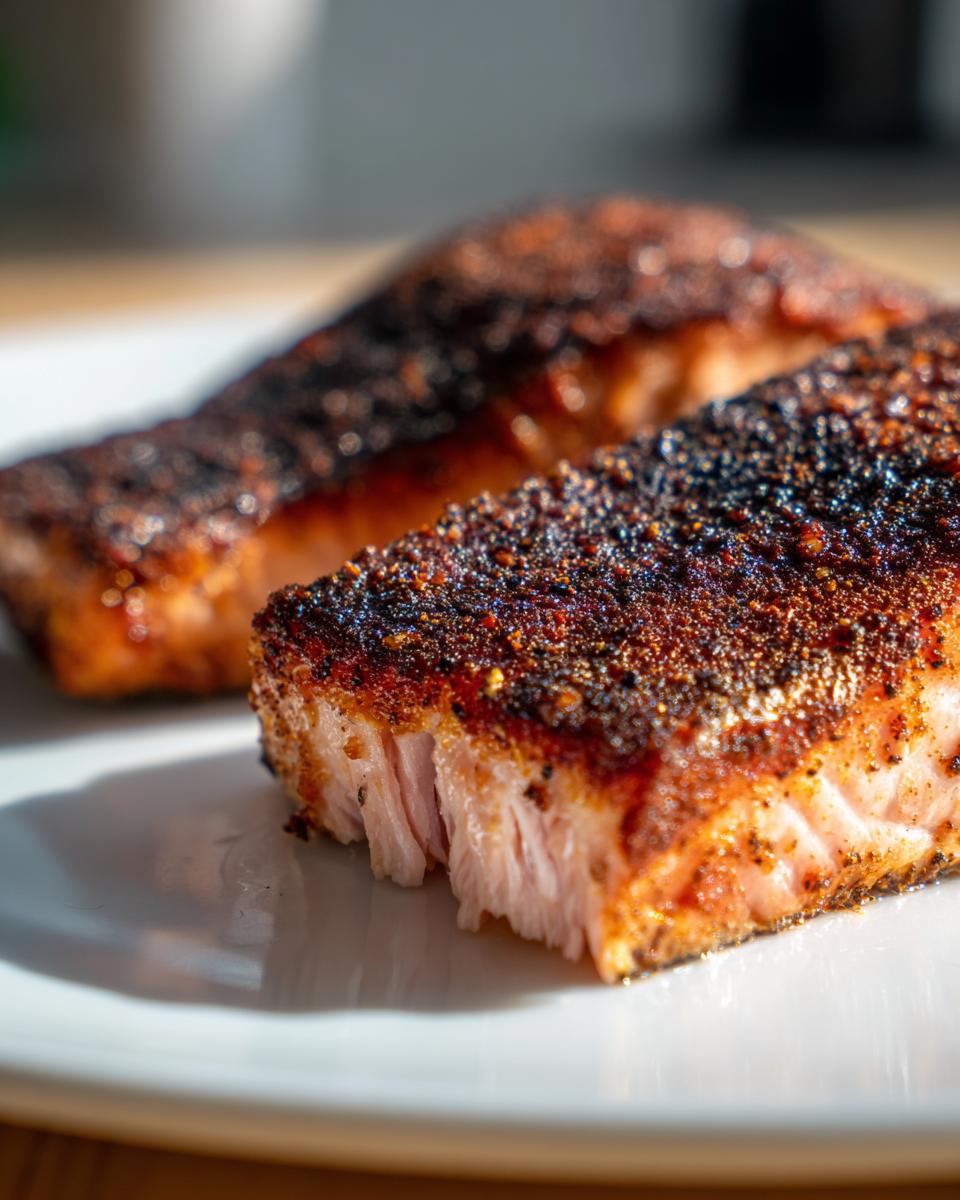
A successful crust will hiss loudly when it hits the oil, and by the time you flip it, it should peel away cleanly from the cast iron surface. If you are having trouble releasing the fish when you try to flip, it means it needs another 30 seconds to form that crust. If it’s smoking too much—like, really billowing smoke that chokes you out—your heat might be a touch too high, or your oil might have broken down. Turn the heat down just a hair, but always cook this rub hot!
Beyond Salmon: Using Your Blackened Salmon Seasoning
Honestly, once you mix up this small batch of blackened salmon seasoning, you’ll realize you have achieved something truly versatile. It’s too good to save only for fish, right? I mean, the components are just fantastic general-purpose Cajun/Creole flavor boosters. Anytime you want to add depth, smoke, and a little kick to a main dish, this rub is your answer. I keep a jar of this blend ready to go almost constantly in my pantry!
Don’t feel tethered to the sea! This mix is phenomenal on land-based proteins. Think about how well those smoky spices pair with poultry or lighter meats. It’s an instant weeknight flavor-maker that screams “I spent hours prepping this,” even though you only spent five minutes mixing the spices.
My absolute favorite use outside of salmon? Chicken thighs. They stand up perfectly to the high heat needed for blackening, and the rendered fat keeps the rub locked in place. If you need a great recipe to try these spices on, you should check out my guide for Juicy Pork Chops Recipe—the rub works wonderfully as a dry brine/crust for pork chops too!
- Chicken Breasts or Thighs: Pat them dry just like the salmon, apply a light coating of oil, and generously coat with the rub. Sear them in that hot cast iron skillet until they hit 165°F internally.
- Steak or Burgers: Use it as a finishing rub on steaks right before grilling, or work it into your ground beef when making gourmet burgers for a serious Cajun flair.
- Roasted Vegetables: Toss hearty vegetables like cauliflower florets, Brussels sprouts, or sliced potatoes in a little oil and about half a teaspoon of this seasoning before roasting. The heat turns the paprika into something magical!
See? It’s not just a salmon rub; it’s your new go-to for savory dinners across the board. Enjoy experimenting!
Frequently Asked Questions About Blackened Salmon Seasoning
I know that when you’re reading recipes, your brain starts firing off questions about what ifs and how tos. That’s totally normal! I’ve gathered the questions I get asked most often about this specific blackened salmon seasoning blend and the blackening process itself. Hopefully, these clear up any lingering doubts so you can feel completely confident heading into that hot skillet!
If you’re looking for more super reliable, flavor-packed ideas for your busy schedule, you should take a peek at my collection of Weeknight Dinner Recipes. Cooking fast doesn’t mean sacrificing flavor!
Can I make this a low-sodium blackened salmon seasoning mix?
You absolutely can! Because salt is one of the ingredients listed, it’s very easy to adjust. If you are watching your sodium intake, I recommend cutting the specified one tablespoon of salt down to just half a tablespoon. Better yet, skip the added salt entirely at first! Once you mix the remaining spices, taste a tiny amount on your finger. You might be surprised how much flavor the onion and garlic powders bring even without added salt. You can always add a sprinkle of salt directly onto the fish after it’s cooked if you find it needs a little something extra.
What is the difference between this rub and standard Cajun seasoning for salmon?
That’s a fantastic question because the terms get used interchangeably sometimes, but the technique requires differences! Standard Cajun seasoning is usually built for gentle seasoning, maybe for a gumbo simmer or a dredge on fried chicken. It has a great flavor base, but it’s often more balanced across all ingredients.
Our blackened salmon seasoning, however, is specifically formulated for high, fast heat application. We need a much higher ratio of paprika (for color and smoke) and cayenne (for the characteristic dark char) compared to a typical Cajun mix. We use less of the finer herbs because they can burn too easily at the necessary blackening temperature. Think of it this way: this rub is designed to create a protective, flavorful shell very quickly, which is exactly what the authentic technique demands!
Why do I need salmon to be completely dry before seasoning?
This is probably the most important non-spice tip for blackening success! If there is any moisture left on the salmon surface—even a little dampness from rinsing or the fridge—that water has to evaporate before the spices can truly stick and cook properly. When water evaporates, it steams the spices instead of searing them. You end up with a dull, slightly soggy coating rather than that beautiful, smoky, dark crust we are aiming for. Pat it down firmly with paper towels; it’s a non-negotiable step!
Can I use regular paprika instead of smoked paprika?
You certainly *can*, but I really, really wouldn’t recommend it for this recipe if you are seeking that truly authentic flavor! Regular paprika (sweet or Hungarian) just provides color; it doesn’t bring much flavor depth. The whole point of blackening is to achieve that deep, savory, almost campfire-like overtone to the spice, and that comes almost entirely from the smoked variety. If you have to substitute in an emergency, use regular paprika and add maybe a tiny, tiny shake of garlic salt for savory notes, but honestly, run to the store for smoked paprika. It makes all the difference!
Nutritional Snapshot of the Homemade Blackened Seasoning Mix
I always get asked questions about the nutrition facts, and I totally understand why! We want flavor, but we also want to know what we’re eating. Now, this section is super important because what I’m detailing here applies ONLY to the spice mix itself—one teaspoon of the rub as measured. This does *not* include the salmon, the oil you use for cooking, or any butter you brush on the fish. You need to factor those elements in separately, of course!
When I ran these estimates through my nutrition calculator based on the ingredients list, the results were actually pretty great. Since this blend uses almost zero sugar and minimal fat (thanks to that small amount of cumin and pepper), it’s mostly flavor-packed protein and fiber, which is fantastic!
Remember, these numbers are estimates based on ideal sourcing, but they give you a good baseline for understanding what you are adding to your meal. Cooking at home gives you total control, and seeing that these spices add so much punch for so few calories is just another reason homemade is always better!
- Serving Size: One teaspoon of seasoning mix
- Calories: Pretty low at just 15 calories!
- Fat: About 0.5 grams total.
- Saturated Fat: Negligible, around 0.1 grams.
- Carbohydrates: Just 2.5 grams.
- Sugars: Super low, less than 0.5 grams.
- Protein: Around 0.4 grams.
- Sodium: This is the place to watch if you are sensitive—we land around 450mg here, which comes mostly from the added salt we included for flavor balance during the blending process.
See? You can load up on flavor knowing you’re barely adding anything significant to your calorie or fat count. It’s pure seasoning power!
Share Your Success with This Blackened Salmon Seasoning
And just like that, you have the roadmap to making the most incredible, deeply flavorful, perfectly charred salmon you’ve ever made at home! Honestly, creating this blackened salmon seasoning blend is one of those kitchen victories that feels huge, even though it only took about five minutes to mix together. I truly hope that after trying this recipe, you feel that same surge of confidence I see in my friends every time they nail a technique they thought was too tricky.
I want to know how it went! Did you manage to keep the heat high enough for that rich, black crust? Or maybe you found your sweet spot with the cayenne level—was it a 1 teaspoon blend or did you go bold with the full tablespoon? Don’t keep those triumphs to yourself!
Please take a moment to leave a rating for the spice blend right below this section. If you have photos of your perfectly cooked fillets shining in that cast iron skillet, I would absolutely love to see them! You can always send them my way via my Contact Page. Hearing from you truly makes my day, and knowing I helped simplify dinner for you is why I started Kings Cook in the first place.
Go make some amazing food tonight. You deserve it!
PrintEasy Homemade Blackened Salmon Seasoning Mix
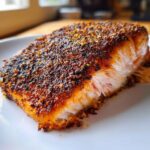
Create a flavorful, spicy, and savory crust on your salmon using this simple, homemade blackened seasoning blend. This rub is perfect for achieving that authentic Cajun-style char in your cast iron skillet.
- Prep Time: 5 min
- Cook Time: 8 min
- Total Time: 13 min
- Yield: About 1/2 cup of seasoning mix 1x
- Category: Main Dish
- Method: Pan-Searing
- Cuisine: Cajun/Creole
- Diet: Low Fat
Ingredients
- 3 tablespoons smoked paprika
- 2 tablespoons onion powder
- 2 tablespoons garlic powder
- 1 tablespoon dried oregano
- 1 tablespoon dried thyme
- 1 tablespoon cayenne pepper (adjust for heat preference)
- 1 tablespoon salt
- 1 teaspoon black pepper
- 1 teaspoon ground cumin
Instructions
- Combine all the seasoning ingredients in a small bowl.
- Whisk the spices together thoroughly until the mixture is uniform. This ensures even flavor distribution.
- Store the homemade blackened seasoning mix in an airtight container in a cool, dark place for best flavor.
- To use, pat your salmon fillets dry with paper towels.
- Lightly brush the salmon fillets with melted butter or oil.
- Generously coat all sides of the salmon with the blackened spice blend, pressing gently so the rub adheres well. Use about 1 tablespoon of seasoning per 6-ounce fillet.
- Heat a cast iron skillet over medium-high heat until very hot. Add 1 tablespoon of high smoke point oil, like canola or grapeseed oil.
- Carefully place the seasoned salmon in the hot skillet. Cook for 3 to 4 minutes per side, depending on thickness, until a dark crust forms and the fish is cooked through. Do not move the fish until it is time to flip.
Notes
- For best results, use a cast iron skillet to maintain the high heat needed for proper blackening.
- If you do not have cayenne pepper, you can substitute with an extra teaspoon of paprika and a dash of chili powder for less intense heat.
- This seasoning mix is also excellent on chicken breasts or pork chops.
- This is a non-perishable salmon spice blend that keeps well for several months.
Nutrition
- Serving Size: 1 teaspoon seasoning
- Calories: 15
- Sugar: 0.2
- Sodium: 450
- Fat: 0.5
- Saturated Fat: 0.1
- Unsaturated Fat: 0.4
- Trans Fat: 0
- Carbohydrates: 2.5
- Fiber: 0.5
- Protein: 0.4
- Cholesterol: 0